 1.855.305.2430

Epigenetics vs Genetics: How Lifestyle Changes Your Gene Expression Leave a comment
Key Takeaways
- Epigenetic changes modify gene expression without altering DNA sequence, acting as “on/off switches” for your genes.
- Lifestyle factors, including diet, exercise, sleep quality, stress levels, and environmental exposures, directly influence your epigenetic patterns.
- Unlike genetic mutations, most epigenetic changes are reversible through targeted lifestyle modifications.
- Positive epigenetic changes can begin within hours or days of making healthier lifestyle choices.
- Understanding epigenetics gives you unprecedented control over your genetic destiny despite the DNA you inherited.
Your genes aren’t your destiny. While you can’t change the DNA you inherited, you can influence how those genes express themselves through your daily choices. This science of gene expression—epigenetics—is revolutionizing our understanding of health and giving you more control over your wellbeing than previously thought possible.
The foods you eat, your sleep patterns, how you manage stress, and even your exercise habits create chemical changes that switch genes on or off without altering your genetic code. According to researchers at the National Institute of Environmental Health Sciences, these epigenetic modifications explain why identical twins with the same DNA can develop different health conditions based on their lifestyle choices.
Think of your DNA as the hardware of a computer, while epigenetics represents the software telling that hardware what to do. Let’s explore how your daily choices are programming your genes for better or worse—and what you can do about it.
Beyond Your DNA: The Remarkable Power of Epigenetics
For decades, we believed our genetic code was fixed and predetermined—a blueprint we could do little to change. Modern science has shattered this fatalistic view. Your DNA sequence remains constant throughout your life, but the activity of those genes—which ones get expressed and which remain dormant—changes continuously based on environmental factors and lifestyle choices.
Epigenetic mechanisms respond to everything from what you had for breakfast to how you handled yesterday’s stressful meeting. These responses can protect or damage your cells, influence your metabolism, and even affect your mood. More importantly, unlike genetic mutations, epigenetic changes are often reversible, offering a pathway to improved health regardless of your genetic inheritance.
This remarkable adaptability explains why people with “high-risk” genes don’t always develop predicted diseases, while those with “low-risk” genes sometimes do. Your lifestyle effectively creates a conversation between your environment and your genes—and you control much of that dialogue.
Genetics vs. Epigenetics: What’s the Difference?
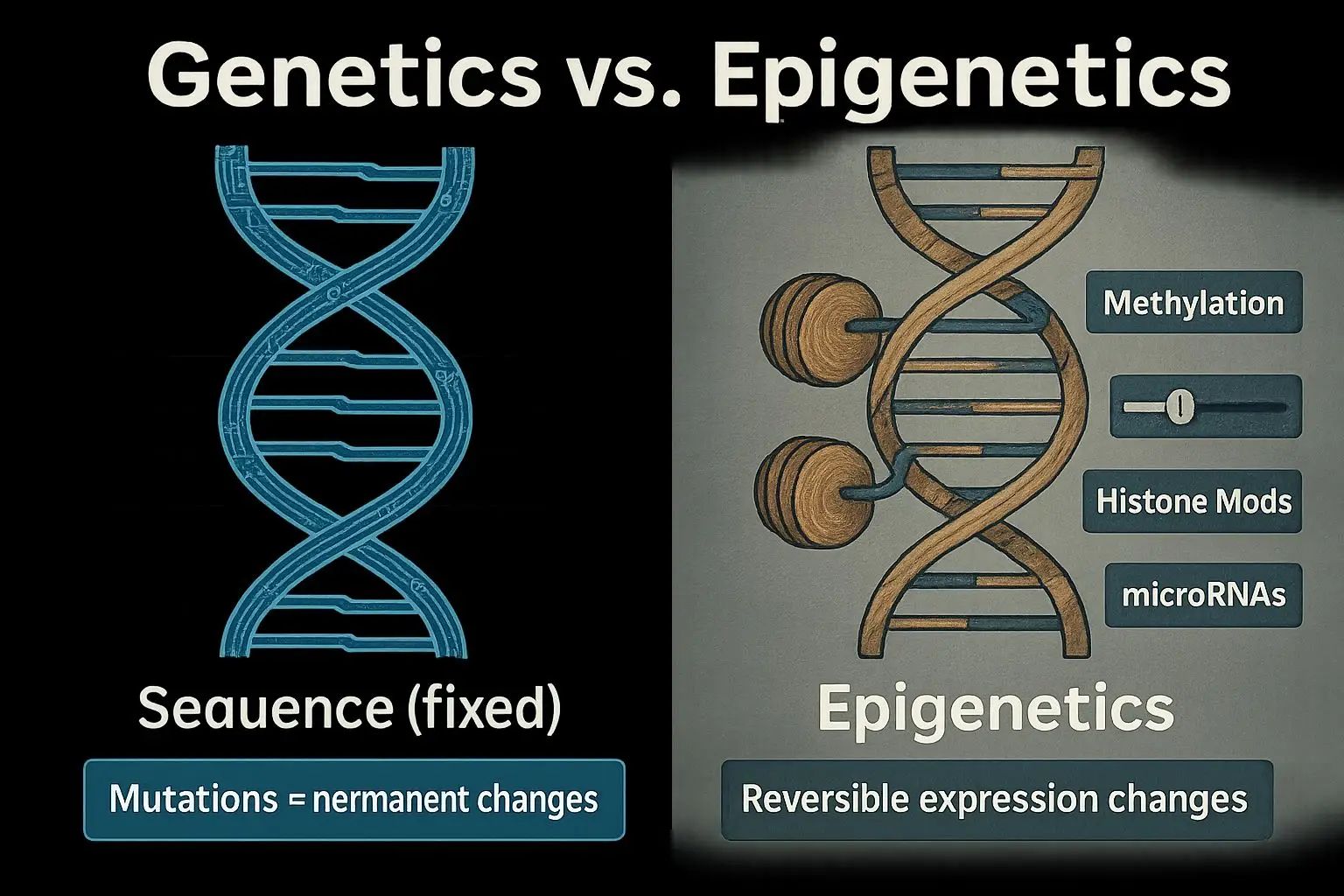
To understand how lifestyle affects gene expression, we need to distinguish between genetics and epigenetics. While closely related, these fields represent fundamentally different aspects of how your body functions at the molecular level.
Your Genetic Code: The Blueprint That Doesn’t Change
Genetics refers to the study of genes themselves—the actual DNA sequences that make up your genetic code. These sequences are largely fixed throughout your lifetime. You inherit your genetic blueprint from your parents, consisting of approximately 20,000 genes spread across 23 pairs of chromosomes. This DNA sequence contains the instructions for building proteins, the workhorses of your cells that determine everything from eye color to disease susceptibilities.
Genetic variations come from mutations—permanent changes to the DNA sequence itself. These mutations happen either through inheritance or environmental damage (like radiation or certain chemicals). When mutations occur, they typically remain with you for life and can be passed to offspring. Genetic testing looks for these variations to identify inherited disease risks.
Epigenetics: The Control Switches That Do Change
Epigenetics, by contrast, studies how genes are turned on (expressed) or off (silenced) without changing the underlying DNA sequence. If genetics is about what genes you have, epigenetics determines which genes are active and when. This regulation happens through chemical modifications to DNA and the proteins that package it. For more insights into genetic understanding, explore what your DNA really tells you.
How Your Body Turns Genes On and Off
Your body uses several sophisticated mechanisms to regulate gene expression. Think of these as the control panels for your genetic machinery. DNA methylation—the addition of a chemical tag called a methyl group—typically silences genes, preventing them from being read and expressed. Histone modifications change how tightly DNA is wrapped around proteins called histones, making genes more or less accessible to the cellular machinery that reads them. Additionally, small RNA molecules called microRNAs can bind to messenger RNA, preventing the production of specific proteins.
These epigenetic processes respond directly to your environment and behaviors. Each meal you eat, workout you complete, or stressful situation you encounter triggers cascades of molecular changes that alter your epigenetic landscape. The cumulative effect of these modifications helps explain why lifestyle factors have such profound impacts on health—they’re literally reprogramming your genetic expression in real time.
The Science Behind Lifestyle-Driven Gene Expression
DNA Methylation: Adding Chemical Tags to Your Genes
DNA methylation involves attaching small chemical groups to specific locations on your DNA, typically to cytosine bases when they appear next to guanine bases (CpG sites). This attachment acts like a dimmer switch, usually turning down or completely silencing gene activity. Research shows that dietary factors directly influence methylation patterns—folate, vitamins B6 and B12, choline, and methionine provide the raw materials for methylation, while compounds in foods like broccoli, green tea, and turmeric can alter methylation patterns at specific genes.
Lifestyle factors such as chronic stress, poor sleep, and physical inactivity are associated with abnormal methylation patterns across the genome. These altered patterns have been linked to increased inflammation, metabolic dysfunction, and elevated disease risk. The good news is that positive lifestyle changes can reverse many of these methylation changes, essentially resetting your genetic switches to healthier positions.
Histone Modifications: Unwrapping Your Genetic Material
Your DNA is wrapped around protein spools called histones, which can be chemically modified to either tighten or loosen their grip. When the wrapping is loose, genes become accessible and active; when tightly wound, genes become silenced. Diet significantly impacts histone modifications—compounds like butyrate (produced when gut bacteria ferment fiber) and sulforaphane (found in cruciferous vegetables) promote beneficial histone changes that support healthy gene expression.
Exercise has been shown to trigger specific histone modifications in muscle and brain tissue, promoting the expression of genes involved in energy metabolism, antioxidant defense, and neuroplasticity. These modifications help explain why physical activity provides benefits that extend far beyond calorie burning, fundamentally changing how your body functions at the cellular level.
microRNAs: Tiny Controllers With Big Effects
MicroRNAs are small RNA molecules that don’t code for proteins but instead regulate gene expression by binding to messenger RNA molecules, preventing them from being translated into proteins. Lifestyle factors significantly influence microRNA levels and activity. Dietary components like polyphenols (found in colorful fruits and vegetables), omega-3 fatty acids, and vitamin D modulate microRNA expression in ways that can reduce inflammation and protect against chronic diseases. To understand more about how your genes influence your health, you can explore the science explained here.
Interestingly, microRNAs can also be transported between cells and even between organisms. Studies have found plant microRNAs in human blood after consuming certain foods, suggesting that the foods we eat may directly influence our gene expression through these molecular messengers. This discovery represents a fascinating frontier in nutritional epigenetics research.
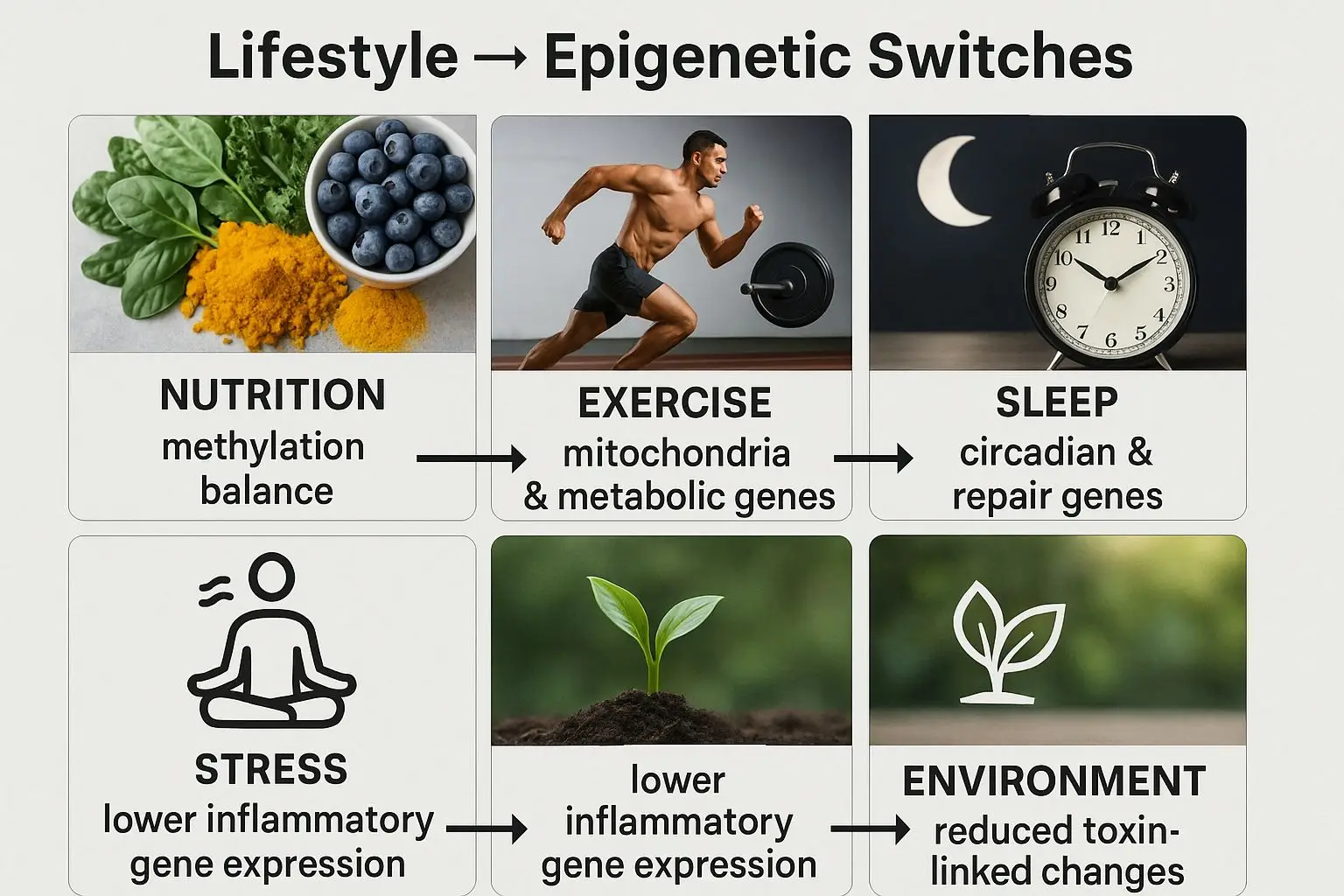
5 Lifestyle Factors That Change Your Gene Expression
1. What You Eat Directly Affects Gene Activity
Your diet provides more than just calories and nutrients—it delivers molecular information that interacts with your genome. Bioactive compounds in foods can modify DNA methylation, histone modifications, and microRNA expression. For example, studies show that curcumin (from turmeric) influences the expression of genes involved in inflammation, while resveratrol (found in grapes and berries) activates longevity-associated genes. Even the timing of your meals matters—intermittent fasting triggers epigenetic changes that enhance cellular stress resistance and promote longevity.
Dietary patterns as a whole create epigenetic signatures. The Mediterranean diet has been associated with beneficial methylation patterns that reduce inflammation and oxidative stress. Conversely, high-sugar, high-fat Western diets promote epigenetic changes that increase disease risk by activating genes involved in inflammation and silencing protective genes. These findings explain why nutrition is so powerful—every bite sends signals to your genes.
2. Exercise Triggers Positive Genetic Changes
Physical activity creates some of the most rapid and beneficial epigenetic changes in the human body. Just a single 30-minute exercise session alters DNA methylation patterns in muscle tissue, activating genes involved in metabolism and muscle adaptation. Regular exercise has been shown to modify over 5,000 DNA methylation sites across the genome, with many changes persisting for hours or days after activity stops. For a deeper understanding of how genes influence your health, explore the science behind genetic expression.
The intensity and type of exercise matter for gene expression. High-intensity interval training (HIIT) activates genes involved in mitochondrial function and energy metabolism more strongly than moderate steady-state exercise. Resistance training triggers epigenetic changes that enhance muscle protein synthesis and bone density. Even gentle movement like walking modifies genes related to inflammation and insulin sensitivity. These molecular adaptations help explain why exercise is truly medicine—it reprograms your cells at the genetic level.
3. Sleep Quality Alters Over 700 Genes
Sleep disruption has profound effects on your epigenome. Research from the University of Surrey found that just one week of insufficient sleep (less than six hours per night) changed the expression of over 700 genes, including those involved in stress response, inflammation, and metabolism. During quality sleep, your brain removes waste products and your body repairs DNA damage—processes essential for maintaining healthy gene expression.
Your circadian rhythm—the internal clock regulating sleep-wake cycles—directly influences epigenetic modifications throughout your body. Disrupting this rhythm through shift work, late-night screen time, or irregular sleep schedules alters gene expression in ways that increase disease risk. Studies show that night shift workers experience widespread changes in DNA methylation patterns that may explain their higher rates of metabolic disorders and certain cancers.
Prioritizing sleep hygiene can reverse many negative epigenetic changes. Maintaining consistent sleep-wake times, creating a dark and cool sleeping environment, and limiting evening screen exposure all help maintain healthy gene expression patterns by supporting your body’s natural circadian rhythms.
4. Stress Management Protects Your Genetic Expression
Chronic psychological stress creates damaging epigenetic modifications. Studies show that persistent stress alters methylation patterns in genes controlling stress hormone production, potentially leading to chronically elevated cortisol levels. This stress-induced epigenetic signature increases inflammation and compromises immune function by activating genes involved in the inflammatory response while silencing genes that normally limit inflammation. Learn more about how your genes influence your health and the science behind it.
Even more concerning, the epigenetic effects of severe stress may persist long after the stressful circumstances end. Research on individuals who experienced childhood trauma shows lasting epigenetic changes in genes regulating stress response, some persisting decades after the original trauma. These findings help explain why early-life stress increases vulnerability to mental and physical health problems later in life.
Mindfulness practices create positive epigenetic changes. A groundbreaking study found that just eight weeks of meditation practice altered the expression of genes involved in inflammation, circadian rhythms, and glucose metabolism. Similar beneficial changes have been documented with yoga, tai chi, and other mind-body practices. Managing stress effectively isn’t just good for your mental wellbeing—it protects your genetic expression from damaging modifications.
- Deep breathing exercises activate genes involved in relaxation and stress recovery
- Regular meditation practice modifies histones to promote expression of anti-inflammatory genes
- Time in nature has been shown to decrease expression of stress-related genes
- Social connection and positive relationships create epigenetic patterns associated with longevity
- Gratitude practices may influence genetic expression related to well-being and resilience
The Future of Personal Epigenetics
We stand at the threshold of a new era in personalized health optimization. Emerging technologies now allow us to map individual epigenetic profiles and track how they change in response to lifestyle modifications. This epigenetic monitoring will soon enable highly personalized recommendations for diet, exercise, sleep, and stress management based on your unique genetic expression patterns. Rather than generic health advice, you’ll receive precise guidance on which lifestyle factors will most effectively optimize your genetic expression. Combined with wearable technology and AI analysis, this approach promises to revolutionize preventive healthcare by addressing the root causes of disease at the genetic level before symptoms appear.
Frequently Asked Questions
As the science of epigenetics becomes more mainstream, several common questions emerge about how lifestyle truly affects our genes. The following answers reflect current scientific understanding while acknowledging that this rapidly evolving field continues to yield new insights.
Can epigenetic changes be passed to my children?
Yes, some epigenetic modifications can be passed to offspring through a process called transgenerational epigenetic inheritance. While most epigenetic markers are reset during early embryonic development, research shows that certain modifications can escape this reprogramming and influence health in subsequent generations. The Dutch Hunger Winter study found that individuals whose mothers experienced famine during pregnancy showed specific epigenetic changes that persisted throughout their lives.
Animal studies provide even more compelling evidence for this phenomenon. In the famous Agouti mouse experiments, maternal diet during pregnancy permanently altered coat color and disease risk in offspring through epigenetic mechanisms. These findings suggest that your lifestyle choices may influence not only your own health but potentially that of your children and even grandchildren, highlighting the profound responsibility and opportunity we have to create positive epigenetic legacies.
How quickly can lifestyle changes affect my gene expression?
Epigenetic changes can occur remarkably quickly—some within hours of a lifestyle intervention. A single exercise session creates detectable changes in muscle gene methylation, while certain dietary compounds like sulforaphane from broccoli can alter histone modifications within 3-6 hours of consumption. Even brief meditation sessions have been shown to modify gene expression related to inflammation and stress response within a single day.
While some changes happen rapidly, others accumulate over time. The most profound and stable epigenetic modifications typically require consistent lifestyle practices over weeks or months. For example, research shows that sustainable weight loss through dietary changes produces progressive epigenetic modifications over 3-6 months that help maintain the new metabolic state. This explains why consistent healthy habits, rather than short-term interventions, create the most meaningful improvements in health outcomes.
Are epigenetic changes permanent or reversible?
Unlike genetic mutations, most epigenetic changes are inherently reversible, providing a powerful opportunity to optimize health throughout life. This reversibility is what makes lifestyle medicine so effective—by changing your behaviors, you can effectively reprogram genetic expression patterns even after years of suboptimal lifestyle. Studies show that former smokers gradually restore normal methylation patterns in lung tissue after quitting, while adopting a plant-rich diet can reverse inflammation-related epigenetic changes within weeks.
However, timing matters. Early life represents a particularly sensitive period for establishing epigenetic patterns, and changes that occur during development may be more resistant to reversal later in life. Similarly, extremely long-standing epigenetic modifications from decades of certain lifestyle factors may require more intensive or prolonged interventions to reverse completely. This underscores the value of both early prevention and persistent healthy habits throughout life.
Can epigenetic testing tell me which lifestyle changes I need most?
Epigenetic testing is an emerging field with significant potential but important limitations. Current commercial tests typically analyze DNA methylation patterns to estimate biological aging or identify broad epigenetic signatures associated with lifestyle factors. While these tests can provide useful insights, they’re not yet able to reliably prescribe highly specific lifestyle interventions for most individuals.
Comparing Today’s Epigenetic Testing Options
Most current epigenetic tests fall into these categories:
- Epigenetic Age Tests: Measure biological aging based on DNA methylation patterns
- Global Methylation Profiles: Assess overall methylation status without specific recommendations
- Gene-Specific Panels: Examine methylation at specific genes related to diet, exercise, or stress
While potentially informative, these tests should complement rather than replace comprehensive health assessments.
The most validated application of epigenetic testing today is the assessment of biological age through what scientists call “epigenetic clocks.” These measures can determine whether your body is aging faster or slower than your chronological age based on methylation patterns. A significant gap between your biological and chronological age might indicate a need for lifestyle intervention, even if the test can’t specify exactly which changes would be most beneficial for your unique genetic profile.
As technology advances and our understanding deepens, epigenetic testing will likely become more precise and actionable. For now, focusing on fundamental lifestyle practices that support healthy gene expression—nutrient-dense diet, regular physical activity, quality sleep, stress management, and toxin avoidance—benefits virtually everyone regardless of their specific epigenetic profile.
How does aging affect epigenetics and what can I do about it?
Aging is intimately connected with epigenetic changes. As we age, we typically experience global hypomethylation (decreased DNA methylation across the genome) alongside site-specific hypermethylation (increased methylation at particular genes). These changes contribute to many hallmarks of aging, including genomic instability, altered cellular communication, and impaired energy metabolism. Scientists now recognize that epigenetic changes aren’t just markers of aging—they’re causal factors in the aging process itself.
The exciting news is that these age-related epigenetic changes can be significantly influenced by lifestyle. Studies in centenarians (people living past 100) reveal distinct epigenetic signatures that appear to protect against age-related diseases. Regular physical activity has been shown to counteract age-related methylation changes in genes involved in energy metabolism and inflammation. Caloric restriction and intermittent fasting trigger epigenetic modifications that enhance cellular resilience and longevity pathways. Even compounds like resveratrol and certain polyphenols can mimic these beneficial epigenetic changes.
The most effective approach to epigenetic aging appears to be comprehensive lifestyle optimization rather than isolated interventions. The combination of plant-focused nutrition
The most effective approach to epigenetic aging appears to be comprehensive lifestyle optimization rather than isolated interventions. The combination of plant-focused nutrition, regular physical activity, restorative sleep, stress management, and social connection creates an epigenetic environment that supports healthy aging at the molecular level. These habits don’t just add years to life—they add life to years by maintaining youthful gene expression patterns that support energy, cognitive function, and physical resilience.
Your daily choices are constantly reshaping your genetic expression in ways that either accelerate or slow the aging process. By understanding and harnessing these epigenetic mechanisms, you gain unprecedented control over how gracefully you age.
Epigenetics is a fascinating field that explores how lifestyle and environmental factors can influence gene expression without altering the DNA sequence itself. This means that factors such as diet, stress, and exposure to toxins can have a profound impact on how genes are expressed. Understanding these influences is crucial for developing personalized health strategies. For those interested in learning more about the science behind gene expression, this article on how your genes influence your health offers a detailed explanation.
Turn Epigenetic Insight into a Daily Plan
Your genes aren’t your destiny—your habits are. Get a personalized, evidence-based plan for nutrition, sleep, stress, and movement that supports healthier gene expression.
Get Your Epigenetics-Informed Plan at Zenith Vital Wellness.