 1.855.305.2430
How Your Genes Influence Your Health: The Science Explained Leave a comment
Important Points
- Your genes carry instructions that control how your body metabolizes nutrients, reacts to medications, and determines your risk of disease.
- While genes can make you more likely to have certain health conditions, whether or not those genes are expressed often depends on lifestyle choices and environmental factors.
- Knowing your genetic profile through testing with companies like Zenith Vital can help you make health decisions that are tailored to you.
- Specific gene variants like MTHFR, APOE, and FTO have a direct impact on metabolism, brain health, and weight management.
- The emerging field of epigenetics shows how our daily choices can turn genes “on” or “off,” giving us a lot of control over our genetic destiny.
Your DNA is the blueprint for everything that your body is and does. From the color of your eyes to how fast you metabolize caffeine, your genes have an influence on almost every aspect of your health. But despite what many people think, your genes aren’t your destiny—they’re more like a roadmap with multiple possible routes to your health outcomes.
Recent years have seen a significant leap forward in our understanding of genetics, and we now know that our genes and our health are far more interconnected than we once believed. Zenith Vital’s advanced genetic testing can help you understand your own genetic profile and how it impacts your health. By looking at specific genetic markers, we can predict health trends and create individual strategies that work with your DNA, rather than against it.
Imagine your genome as a huge library that houses about 20,000 books. Each book represents a gene, and it carries the detailed instructions for constructing and running your body. These genes are responsible for your physical characteristics and are crucial in numerous biological functions, such as how you metabolize food, react to exercise, and even your likelihood of developing specific health issues.
Summary
In this detailed guide, we will delve into the intriguing connection between your genes and your health. We will look at how genetic differences can affect your risk of disease, your nutritional requirements, your response to medication, and your fitness potential. Above all, you will learn how gaining knowledge about your genetic makeup can enable you to make specific lifestyle adjustments that will enhance your health.
- The basics of genetic influence on health and wellness
- How genetic variations create health predispositions
- Key genes that affect your everyday health
- The science of epigenetics—how environment affects gene expression
- Practical ways to optimize your health based on your genetic profile
- The future of personalized, genetics-based medicine
Your genetic makeup is uniquely yours—as individual as your fingerprint. While you share approximately 99.9% of your DNA with every other human, that 0.1% difference—about 3 million genetic variations—makes an enormous difference in how your body functions. These variations help explain why some people can eat whatever they want without gaining weight, why certain medications work differently for different people, and why some individuals are more susceptible to specific diseases.
How Your DNA Shapes Your Health
Think of your DNA as a comprehensive guidebook that outlines the construction and operation of your entire body. This guidebook is stored in the nucleus of almost every cell in your body and contains roughly 3 billion base pairs that are organized in the well-known double helix structure. These base pairs create genes, which are the fundamental building blocks of inheritance that you received from your parents. To learn more about the role of genetics in health, you can explore resources like the CDC’s epigenetics page.
Your genes are like a recipe book for proteins, which are the building blocks of your cells and are responsible for most of what happens in your body. Proteins are involved in almost everything your body does, from breaking down food to producing hormones like insulin. When there are changes in your genes, they can change the way proteins are made or work, which can affect all sorts of things, like how well you can digest milk or how well your body can get rid of toxins. To understand more about the impact of genetics on health, you can explore the CDC’s insights on genomics and health.
Our understanding of human genetics took a giant leap forward in 2003 with the completion of the human genome project. This international project successfully mapped all the genes in human DNA, and it was a game changer. It meant that we could start to make huge advances in personalized medicine. Today, we can identify thousands of genetic variants that are associated with health conditions. This knowledge gives people the power to take proactive steps based on their genetic predispositions.
The Role of Genes in Your Health Risk Factors
One of the key ways genes play a part in your health is by determining how likely you are to develop different diseases and conditions. Some genetic variations can make you more likely to develop certain health issues, such as heart disease, cancer, or autoimmune disorders. Knowing these genetic risk factors can help you take steps to prevent these conditions before they start to cause symptoms.
Health outcomes are influenced by your genes, which operate through complex pathways. For instance, your cardiovascular health can be affected by genes that impact cholesterol metabolism. Similarly, your susceptibility to certain infections or autoimmune conditions may be determined by variations in immune system genes. The field of genomics studies these complex relationships and uncovers how specific genetic patterns are associated with health tendencies.
It’s important to note that genetic risk is not the same as genetic destiny. Many conditions involve multiple genes working together, in addition to environmental influences. This intricate interaction means that having a “risk gene” doesn’t mean you’ll definitely develop a condition—it just means your chances are higher compared to someone without that genetic variant. For a deeper understanding, you can explore more about DNA testing for health.
Genetic Tendencies and Genetic Fate
One of the most liberating findings in recent genetic studies is that genes are not typically an on/off switch for disease. They are more often like a dimmer switch, influencing the likelihood of you developing certain diseases, but not usually determining them outright. This difference between a tendency and fate is key to understanding how your genes affect your health.
The Significance of Your Family’s Health Background
Your family’s health background is a treasure trove of information about your potential genetic health risks. If certain health issues keep popping up among your relatives, it could be a sign that there are genetic factors at play. You share about half of your genes with your immediate family members (parents, siblings, and children), so their health histories are especially important when it comes to understanding your own health risks.
Understanding your family’s health history can guide you to take preventive steps. For example, if many of your immediate family members have had heart disease at a young age, you may want to start cardiovascular screening earlier and take more aggressive preventive measures. This information doesn’t mean that you’re destined to have these health problems, but it gives you the power to be more alert to certain health risks.
One of the simplest ways to understand your genetic health is by creating a detailed family health history. Write down any conditions that have affected your family members, going back at least three generations, and note the age at which each condition started. This information can be a powerful tool for doctors, helping them understand your personal risk factors and decide what health screenings you need.
Health Conditions Caused by One Gene vs. Many Genes
When it comes to health conditions that are influenced by genetics, they can usually be divided into two groups: those caused by one gene (monogenic) and those caused by many genes (polygenic). Health conditions caused by one gene are the result of changes, or mutations, in a single specific gene. They often follow patterns that can be predicted when it comes to inheritance. Some examples of these kinds of conditions are cystic fibrosis, sickle cell anemia, and Huntington’s disease. These conditions often have a high chance of being expressed, or penetrance, which means that if a person has the gene mutation that causes the condition, it’s likely they will develop the condition.
Conditions that are polygenic, which are more prevalent, involve several genes and environmental factors. This category includes heart disease, diabetes, and the majority of cancers. Each gene contributes a small amount to the total risk, and just because you have multiple risk genes doesn’t mean you’ll get the disease. This complexity is why most common diseases don’t follow simple inheritance patterns within families.
Knowing if a condition is controlled by one gene (monogenic) or many genes (polygenic) helps us understand how useful genetic testing can be. For conditions caused by changes in a single gene, testing can often give you a clear idea of your risk. For conditions caused by changes in many genes, genetic testing usually only gives you a sense of your likelihood of developing the condition. This likelihood must be considered along with other health information.
How Your Genetic Makeup Can Influence Your Health
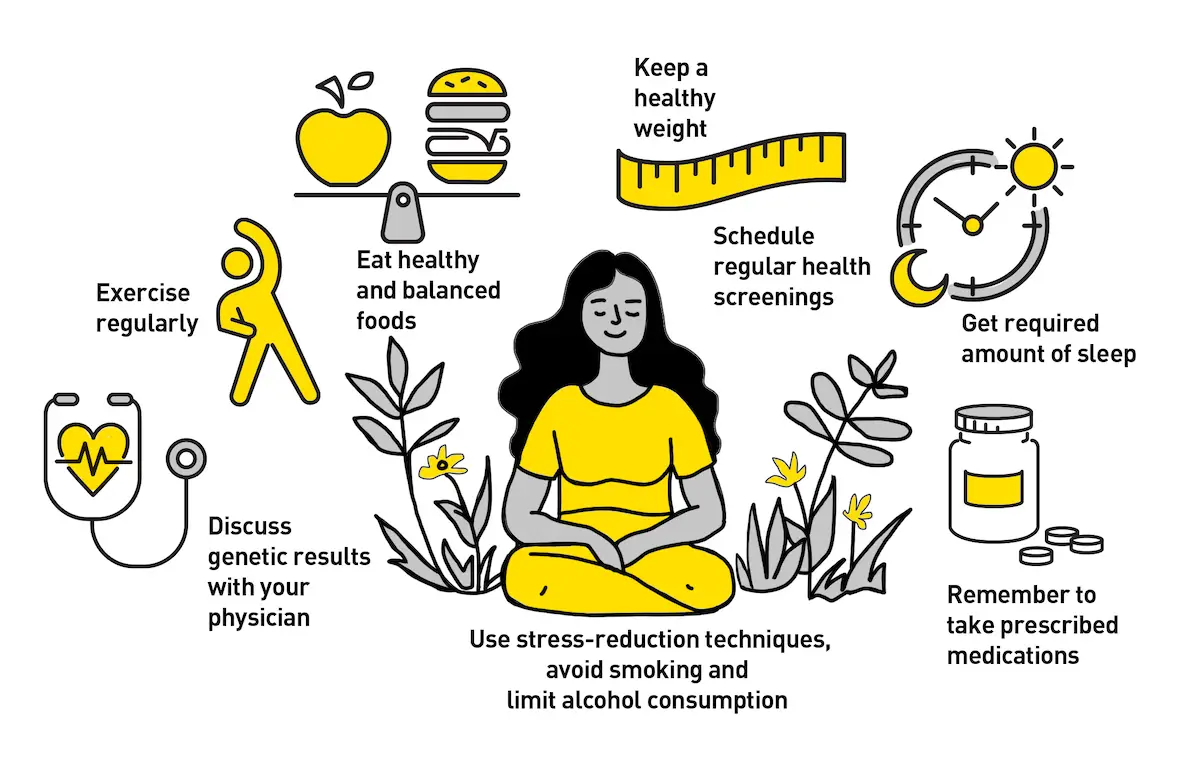
“Understanding Genetic Risk: How …” from www.hudsonalpha.org and used with no modifications.
Did you know that certain gene variants can have a significant impact on your overall health and well-being? These genetic variations can affect everything from the way your body processes nutrients to your risk of developing certain conditions. By identifying these variants through genetic testing, you can make specific lifestyle changes that help to counteract these genetic tendencies and improve your health.
MTHFR: The Gene That Helps Your Body Use Vitamins
The MTHFR gene is responsible for making an enzyme that plays a key role in processing folate (vitamin B9) and turning homocysteine into methionine, an important amino acid. Changes in this gene can impact how well your body carries out these vital tasks. The most commonly researched changes, C677T and A1298C, can lower enzyme activity by as much as 70% in some people.
If the MTHFR function isn’t working correctly, it can result in increased homocysteine levels, which can lead to heart-related issues, neurological disorders, and complications during pregnancy. Those with MTHFR variants might find it beneficial to take supplements of methylated forms of B vitamins, especially methylfolate and methylcobalamin (B12), as these can bypass the affected enzyme pathway and support the best methylation processes. For a deeper understanding of how your genes influence your health, you might find this complete beginner’s guide to DNA testing for health helpful.
APOE: Brain Health and Alzheimer’s Risk
The APOE gene is responsible for creating a protein called apolipoprotein E, which helps transport cholesterol and other fats in the body, including the brain. There are several versions of this gene, but the APOE-ε4 version is linked to a higher risk of Alzheimer’s disease. People with one copy of APOE-ε4 are 3-4 times more likely to get Alzheimer’s, and people with two copies may be up to 12 times more likely.
Even though you may have the APOE-ε4 variant, it doesn’t necessarily mean you’ll get Alzheimer’s. There are many people with this gene who never get the disease, and there are others without the gene who do. Studies have shown that people with APOE-ε4 may be able to lower their genetic risk by adopting certain lifestyle changes, such as eating a Mediterranean-style diet, getting regular exercise, keeping their mind active, and getting plenty of sleep.
FTO: The Gene That Influences Your Weight
The FTO gene, commonly referred to as the “obesity gene,” plays a role in determining body mass index, the risk of obesity, and fat storage. Certain versions of this gene can impact how the body controls hunger, uses energy, and processes and stores fat. Individuals with particular FTO variants may have a 20-30% increased risk of obesity compared to those without these variants. For those interested in exploring how genetics can influence health, DNA testing for health can provide valuable insights.
It’s fascinating to discover that lifestyle choices can have a profound impact on the effects of FTO variants. Regular exercise seems to be a particularly powerful tool in counteracting the genetic predisposition to weight gain that comes with FTO. Research suggests that active individuals who carry high-risk FTO variants have BMIs that are similar to those who don’t carry the risk variants. This underscores the idea that behavior can triumph over genetic predispositions.
ACTN3: The Gene That Dictates Your Athletic Abilities
ACTN3 is often referred to as “the speed gene” because it plays a crucial role in the function of fast-twitch muscle fibers. This gene is responsible for producing alpha-actinin-3, a protein that is only present in fast-twitch muscle fibers and is essential for powerful, quick movements. About 18% of people worldwide have a common variant of this gene (R577X) that prevents them from producing any alpha-actinin-3 at all.
Studies have shown that top-tier power and sprint athletes tend to have the functional version of ACTN3, whereas endurance athletes frequently excel even if they have the variant that removes the protein. Knowing your ACTN3 status can provide insight into whether your genes might be more suited to power-based exercises such as sprinting and weightlifting, or endurance activities such as marathon running. This information can help you tailor your training to match your genetic tendencies. For more on how genes influence your health, explore this resource.
CYP Genes: Affecting Your Medication
The cytochrome P450 (CYP) gene family is a key player in how your body handles medications, influencing both their effectiveness and the risk of side effects. These genes give the blueprint for enzymes that break down roughly 75% of all prescription drugs. Changes in CYP genes can label you as a poor, intermediate, normal, or ultra-rapid processor for certain medications.
Let’s look at CYP2D6 variants, for instance. These affect how your body processes certain antidepressants, beta-blockers, and opioid pain medications. If you’re a poor metabolizer, you might experience more side effects and drug toxicity at standard doses. On the other hand, if you’re an ultra-rapid metabolizer, you might not get enough therapeutic effects. Pharmacogenetic testing that looks at these genes can help your doctor choose the best medications and dosages for you, based on your genes. This can help you avoid bad reactions and unsuccessful treatments.
Epigenetics: How Your Lifestyle Can Activate or Deactivate Your Genes
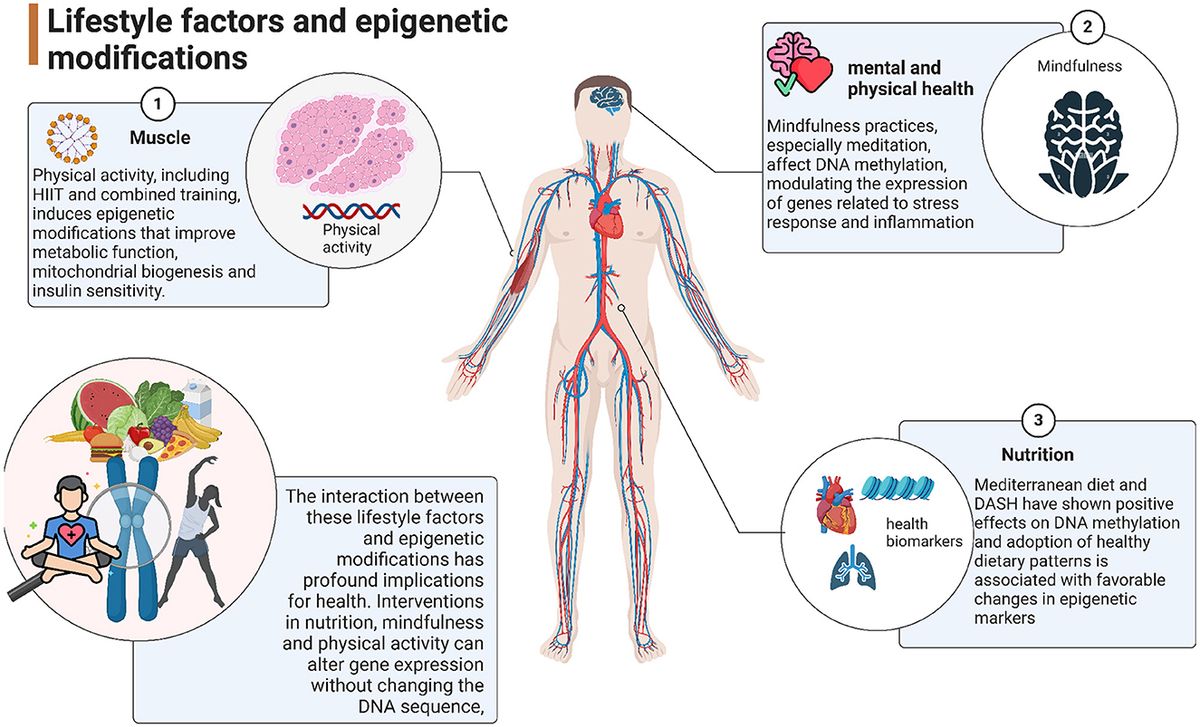
“Frontiers | Epigenetic modulation by …” from www.frontiersin.org and used with no modifications.
Epigenetics is a pioneering field that has completely changed our perception of how genes affect our health. It shows us that our DNA is not unchangeable. Instead, epigenetic modifications are chemical changes that don’t change your DNA sequence but do change how your genes are expressed, essentially activating or deactivating them. These modifications can be affected by lifestyle factors such as diet, exercise, stress levels, and exposure to the environment.
Imagine your genome as a computer and epigenetics as the software that decides what programs to run. Studies now show that your everyday decisions cause epigenetic changes that can greatly impact your health. Some of these alterations can even be inherited by future generations, which is why your grandparents’ lifestyle choices may affect your health today. For those interested in exploring further, here is a complete beginner’s guide to DNA testing for health.
What’s so exciting about epigenetics is that these changes can potentially be reversed. Unlike your set-in-stone genetic code, epigenetic patterns can change throughout your life in response to environmental factors. This means you can significantly influence the way your genes are expressed, regardless of the genetic hand you were dealt at birth.
How Your Surroundings Affect Your Genes
Your environment has a significant impact on which of your genes are active and which are not. Things like pollution, harmful chemicals, radiation, and even some medications can cause changes to your genes that affect how they function. For instance, research has found that being exposed to cigarette smoke causes certain changes to your genes that increase your risk of lung cancer. This helps to explain why smoking is harmful to your health beyond just causing damage to your lungs.
How What You Eat Can Influence Your Genes
The food you consume can directly affect the way your genes work, thanks to a variety of epigenetic processes. Some nutrients can act as epigenetic regulators, which are substances that can change the patterns of gene expression. Folate, B vitamins, polyphenols found in green tea, and compounds found in cruciferous vegetables like broccoli have all been found to encourage beneficial epigenetic changes that can support good health and possibly decrease the risk of disease. For a deeper understanding, you might explore DNA testing for health and its implications on nutrition.
Important Nutrients That Can Change Gene Expression
Folate (B9): Necessary for DNA methylation processes
Choline: Helps with methylation and gene regulation
Resveratrol: Turns on genes related to longevity
Sulforaphane: Activates gene pathways that protect against cancer
Curcumin: Changes genes related to inflammation
The Effects of Stress and Sleep on Your Genetic Health
Long-term stress and bad sleep quality can cause epigenetic changes that can harm your health. Studies have shown that stress hormones like cortisol can change the expression of genes that control immune function, metabolism, and brain health. In the same way, poor sleep can impact genes that control inflammation, glucose metabolism, and cell repair mechanisms. By focusing on managing stress and getting good quality sleep, you can positively affect the way your genes are expressed.
How Your Genes Affect Your Nutritional Needs
One of the most significant ways that genes affect your health is through a field known as nutrigenomics. This is the study of the relationship between your genes and your diet. Your DNA influences how your body absorbs, metabolizes, and uses the nutrients in the food you eat. This is why one person can thrive on a particular diet while another person on the same diet sees little to no results.
Your genes can determine whether you can efficiently process carbs, how well you metabolize caffeine, if you’re likely to be lactose intolerant, and even what foods you like. By knowing these genetic tendencies, you can tailor your diet to work with your unique genetic makeup, rather than against it. For a deeper understanding, consider exploring DNA testing for health to learn more about your genetic profile.
- Some people have genetic variations that limit their ability to convert beta-carotene into vitamin A, requiring direct sources of preformed vitamin A
- Variations in the MTHFR gene affect folate metabolism, potentially requiring methylated forms of B vitamins
- FTO gene variants influence appetite regulation and food preferences
- Lactase persistence genes determine your ability to digest dairy products into adulthood
- CYP1A2 variations affect caffeine metabolism and sensitivity
Carbohydrate Metabolism Genes
Your genetic profile significantly influences how your body processes carbohydrates. Variations in genes like TCF7L2, ADRB2, and PPARG affect insulin sensitivity, glucose metabolism, and your likelihood of developing insulin resistance. People with certain genetic profiles may thrive on lower-carbohydrate diets, while others perform better with moderate carbohydrate intake distributed throughout the day. Understanding these genetic tendencies can help you optimize your carbohydrate consumption for energy, weight management, and long-term metabolic health. For more insights, you can explore DNA testing for health.
Genetic Variants Affecting Fat Metabolism
Genes such as APOA2, APOA5, and APOE play a role in how well your body metabolizes fats from your diet. These variations can impact everything from your cholesterol levels to where your body stores fat. For instance, some people with certain APOE variants may see a more substantial increase in cholesterol levels when they consume saturated fat, while others may see little to no effect. This is why some people can have healthy cholesterol levels even when they consume a diet high in fat, while others may develop dyslipidemia despite consuming only moderate amounts of fat.
How Genes Affect the Absorption of Vitamins and Minerals
Your genes can greatly influence how effectively your body absorbs and uses essential vitamins and minerals. For example, the HFE gene plays a role in how your body absorbs and stores iron, and certain variants of this gene can increase your risk of storing too much iron. Variations in the VDR gene can affect the function of the vitamin D receptor, which may mean you need to consume more vitamin D to maintain optimal blood levels. By understanding these genetic tendencies, you can customize your supplement routine to meet your specific genetic needs, rather than blindly following generic recommendations.
Genetic Fitness: Exercise That’s Right for Your Genes
Your genetic makeup also plays a significant role in your physical performance and how your body responds to exercise. By understanding your athletic predispositions, you can tailor your workouts to maximize results and minimize injury risk. Some people are genetically predisposed to excel at endurance activities, while others have genetic profiles favoring power and strength training. Genes influence everything from muscle fiber composition to oxygen utilization capacity and recovery speed. For more information on how genes influence health, visit the CDC’s resource on genomics and health.
Studies have found that people are more likely to see improvements in their fitness when their exercise routine matches their genetic makeup. For instance, if you have a variation in your ACTN3 gene that makes you more likely to have fast-twitch muscle fibers, you’ll probably see more benefits from high-intensity interval training and resistance exercises. On the other hand, if your genes make you more suited to endurance, you’ll probably respond better to moderate-intensity exercises that last a longer time. Matching your exercise routine to your genes could potentially give you twice the benefits of a one-size-fits-all exercise program.
The Current State of Genetic Testing: What’s Available and What’s Not
Genetic testing in the modern era provides a level of access to your personal genetic information that was unheard of in the past. You can get comprehensive clinical tests from healthcare providers, or you can use direct-to-consumer kits that analyze specific markers related to health. The list of options is growing. These tests usually analyze your DNA from a saliva sample or cheek swab. They look at specific genetic variants that are associated with health conditions, nutrient needs, fitness tendencies, and medication responses. For more information on how genomics and health interact, you can explore additional resources.
Even though genetic testing offers useful information, it’s key to interpret the findings with a full comprehension of what they imply and what their constraints are. The data from your genes represent likelihoods and predispositions, not certainties. Factors like your environment, the choices you make in your lifestyle, and the intricate interactions between several genes usually have a bigger impact on your health than any single genetic variant.
Over-the-Counter Testing vs. Clinical Testing
Over-the-counter genetic tests such as those provided by Zenith Vital offer accessible insights into various health and wellness aspects. These tests typically examine hundreds of thousands to millions of genetic markers across your genome, focusing on common variations associated with health tendencies, ancestry, and traits. The benefits include accessibility, affordability, and the ability to explore your genetic information without requiring a doctor’s order.
On the other hand, clinical genetic tests are usually ordered by healthcare professionals for specific medical reasons. These tests can sequence entire genes or even your entire genome, providing more comprehensive and medically useful information. Clinical testing is especially useful for diagnosing rare genetic conditions, assessing the risk of hereditary cancer, or guiding drug choices through pharmacogenetic analysis. These tests often include genetic counseling to help interpret the results correctly.
Understanding the Limitations of Genetic Testing
Genetic tests are a powerful tool that can identify inherited variations that may impact your risk of disease, nutrient needs, and how your body responds to medications. This can give you a better understanding of your biological tendencies and predispositions, and help you develop a health strategy that is tailored to your unique needs. However, it’s important to understand that genetic tests cannot predict with certainty whether you will develop a specific condition. This is because most health outcomes are the result of complex interactions between multiple genes and environmental factors. By understanding these limitations, you can use genetic information as one part of a comprehensive approach to optimizing your health.
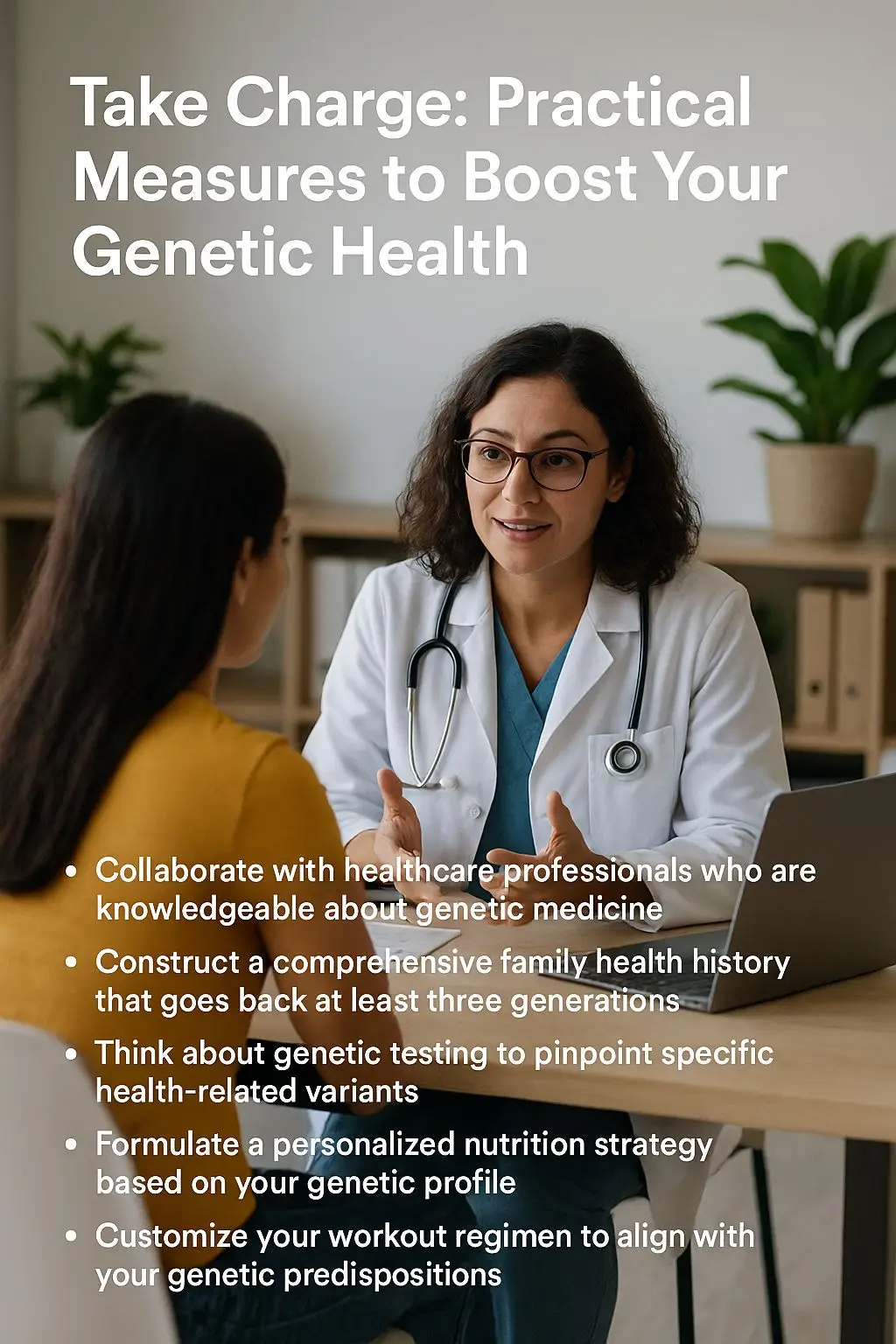
Take Charge: Practical Measures to Boost Your Genetic Health
- Collaborate with healthcare professionals who are knowledgeable about genetic medicine
- Construct a comprehensive family health history that goes back at least three generations
- Think about genetic testing to pinpoint specific health-related variants
- Formulate a personalized nutrition strategy based on your genetic profile
- Customize your workout regimen to align with your genetic predispositions

Understanding your genetic composition allows you to take specific steps that can greatly influence your health outcomes. Instead of following general health advice, you can apply personalized strategies that tackle your unique genetic tendencies. This precision approach to wellness enables you to concentrate your efforts where they’ll make the most difference, possibly preventing diseases you’re genetically prone to and enhancing your overall health.
The best strategies for genetic health combine information from your DNA with other health measurements like blood biomarkers, body composition, and lifestyle assessments. This comprehensive approach gives a more complete picture of your current health and helps identify the most effective interventions for your unique situation. For more information on how your genes influence your health, you can explore the CDC’s insights on epigenetics.
Keep in mind that genetic predispositions are tendencies, not certainties. The decisions you make every day – what you eat, how you exercise, how you deal with stress, and what kind of environment you expose yourself to – often have a greater impact on your health than your genetic inheritance. This realization changes the focus from genetic determinism to genetic empowerment.
Customized Nutrition Tailored to Your Genetic Makeup
One of the most impactful ways genetic science is being applied to everyday health is through personalized nutrition based on genetic testing. By eating in a way that aligns with your genetic makeup, you can maximize your nutrient intake, enhance your metabolism, and potentially decrease your risk of disease. For example, people with certain APOA2 variants may do better with a diet low in saturated fat, while those with specific TCF7L2 variations may need to closely watch their carbohydrate intake. This individualized approach goes beyond general dietary advice to address your distinct genetic needs.
Customized Vitamin Plans
Common multivitamins may not provide the right amounts of nutrients that your body needs, and may include others that your body already has enough of. Genetic testing can show how your body processes nutrients, which allows for a vitamin plan that is customized to your specific genetic needs. For instance, those with MTHFR variations may need methylated B vitamins, while those with certain VDR gene variations may need more vitamin D.
The best supplement plan includes a mix of genetic knowledge and functional tests that check real nutrient amounts and metabolic indicators. This method makes sure you’re dealing with both genetic inclinations and present biochemical requirements, avoiding deficiencies and too much supplementation that could potentially be harmful.
Workout Routines That Sync With Your Genes
Did you know that your genes can help shape an exercise regimen that maximizes results and minimizes the risk of injury? Genes have a say in everything from the makeup of your muscle fibers to your body’s ability to recover and how your heart responds to exercise. By tailoring your workout routine to your genetic predispositions, you could see improved results with less exertion and fewer setbacks.
For instance, people who have genes that are more suited for endurance usually have better results with moderate-intensity activities that are done for longer periods of time. On the other hand, people who have genes that are more power-oriented usually have better results with high-intensity interval training and resistance exercises. Your genes can also affect how much time you need to recover between workouts, how much training you can tolerate, and how likely you are to get injured. This allows for a fitness approach that is completely personalized.
How Your Genes Can Help You Avoid Environmental Toxins
Some people have genetic variations in detoxification genes like GSTM1, GSTT1, and SOD2. These variations can affect how well your body processes and gets rid of environmental toxins. By knowing if you have these genetic variations, you can take steps to avoid certain compounds that your body has trouble detoxifying. For example, people with certain GSTM1 deletions may want to limit their exposure to certain pesticides and industrial chemicals. And people with SOD2 variations might want to get more antioxidants to help their cells fight oxidative stress. For more insights, consider exploring DNA testing for health to better understand your genetic predispositions.
Your Genes, Your Health: The Future of Personalized Medicine
Medicine is on the brink of a revolution, where treatments will be increasingly personalized to fit your unique genetic makeup rather than treating everyone with the same condition the same way. Pharmacogenomics is already allowing doctors to choose medications based on your genetic ability to metabolize them effectively. Gene therapies are starting to provide treatments for genetic conditions that were previously untreatable. The combination of genetic data with other health information through artificial intelligence is set to create increasingly complex and personalized health recommendations that take into account your entire biological individuality.
Common Questions
With genetic testing becoming more common, many individuals are unsure of how to interpret the results and apply them to their health choices. The science of genetics is advancing quickly, but there are some basic principles that can help you understand how genes affect health and what steps you can take based on genetic information.
This FAQ section tackles the often-asked inquiries about genetic testing, inheritance patterns, and how genes affect health outcomes. By understanding these fundamental ideas, you can better navigate the increasingly intricate world of genetic information. This knowledge will also help you make well-informed decisions about genetic testing and personalized health strategies.
Keep in mind that your genetic information is just one part of your overall health. While it’s important, it’s just one piece of the puzzle. You should also consider other health measurements, your family’s health history, your lifestyle, and your personal health goals when deciding how to take care of your health.
- Is genetic testing worth the investment?
- How should I prepare for genetic testing?
- What privacy protections exist for my genetic data?
- Can genetic testing tell me which diet is best for me?
- Should children undergo genetic testing?
The answers to these questions depend on your specific health concerns, family history, and personal goals. For some individuals, genetic testing provides valuable insights that guide preventive strategies and treatment decisions. For others, the information may have less immediate application. Consulting with healthcare providers knowledgeable about genetics can help you determine whether testing is appropriate for your situation.
Do my genes really decide if I’ll get certain diseases?
- For single-gene disorders like Huntington’s disease, genes can be highly indicative
- For complex conditions like heart disease, genes typically suggest risk tendencies rather than certainties
- Environmental factors and lifestyle choices often have greater impact than genetic predispositions
- Even with “high-risk” genes, preventive strategies can significantly lower actual disease development
For most common health conditions, genes are just one factor among many that decide whether you’ll develop the condition. While certain genetic variations can increase your risk, they rarely assure you’ll get a disease. This is because most health conditions result from complex interactions between multiple genes and environmental factors like diet, physical activity, stress levels, and exposure to toxins.
Even for conditions with strong genetic components, your lifestyle choices can dramatically influence whether those genetic tendencies manifest as actual health problems. For example, research shows that individuals with high genetic risk for heart disease who follow healthy lifestyle practices have approximately 50% lower risk of developing cardiovascular issues compared to those with similar genetic profiles who make poor lifestyle choices. For a deeper understanding of how genetic testing can inform these lifestyle decisions, you can explore this complete beginner’s guide to DNA testing for health.
However, there are some uncommon conditions that are caused by mutations in a single gene with very high penetrance, which means that nearly everyone with the gene will develop the condition. Huntington’s disease and cystic fibrosis are examples of conditions where genetic testing can provide more definitive information about whether you’ll develop the disease, but even in these cases, the severity and progression can vary considerably.
By knowing what health conditions your genes make you more likely to develop, you can take steps to prevent them. This could mean delaying or even avoiding these conditions altogether by taking action that specifically targets your genetic weaknesses.
How reliable are home DNA health tests?
Home DNA health tests, such as those provided by Zenith Vital, are generally very reliable in identifying specific genetic markers, often with over 99% accuracy for each variant. However, their usefulness in a clinical setting depends on which markers they test for and how thoroughly they cover the genes in question. Most of these consumer tests focus on common variants linked to health conditions, rather than sequencing the entire gene, so they may not detect rare mutations that could impact health.
Understanding your genetic information is just as crucial as the test’s technical accuracy. Consumer genetic tests offer risk assessments based on the most recent scientific knowledge, which is constantly changing. The best genetic testing services combine precise technical analysis with scientifically sound interpretation and actionable recommendations based on your unique genetic profile. When considering genetic testing, look for companies that regularly update their interpretations as new research emerges and provide clear explanations of what the results mean for your health.
Is it possible for me to influence how my genes affect my health?
Yes, it is. Even though you can’t change your genetic code, you can have a significant impact on how those genes are expressed through lifestyle choices, targeted interventions, and changes to your environment. The study of epigenetics has shown that diet, exercise, stress management, sleep quality, and exposure to the environment can all change patterns of gene expression, effectively turning beneficial genes “on” and problematic genes “off.” These epigenetic changes let you work with your genetic tendencies instead of being controlled by them, giving you a lot of control over your genetic destiny and making your daily choices as important as the genes you were born with.
Do I need to be concerned if my family has a history of specific diseases?
Knowing that certain diseases are prevalent in your family tree should make you more alert and proactive about your health, but it doesn’t necessarily mean you need to worry. Family patterns can point to shared genetic traits, but they can also be a result of similar environments or lifestyle choices. By understanding your family’s health history, you can take preventative measures, get the right screenings, and adjust your lifestyle in ways that can greatly lower your risk, even if your family has a strong history of a particular disease.
It’s best to think of family history information as a call to action, not a cause for concern. If your family has a history of heart disease, for example, it’s even more critical for you to have regular heart checkups, eat heart-healthy foods, and get regular exercise. Early detection and treatment can make a big difference for many conditions, so knowing your family’s health history can help you take charge of your health.
How often should I update my genetic health information?
As research progresses, the interpretation of genetic information changes, making it beneficial to reassess your genetic health periodically, even though your genetic code stays the same for your entire life. You don’t need to repeat the actual genetic test, but having your existing genetic data reanalyzed every few years can provide updated insights based on the latest scientific understanding. Many genetic testing companies offer subscription services that periodically update your reports as new research clarifies the relationship between specific genetic variants and health outcomes. This ongoing interpretation ensures you benefit from advances in genetic science without requiring additional testing.
|
Type of Genetic Information |
Update Frequency |
Reason for Updates |
|---|---|---|
|
Disease Risk Profiles |
Every 2-3 years |
New research regularly identifies additional genetic markers that influence disease risk |
|
Pharmacogenetics |
Before new medications |
Genetic response information can guide medication selection and dosing |
|
Nutrigenomics |
Every 3-5 years |
Emerging research continues to clarify gene-diet interactions |
|
Fitness Genetics |
When changing fitness goals |
Different genetic factors may be relevant for different types of physical activities |
Your genetic information becomes increasingly valuable when integrated with other health metrics that change over time, such as blood biomarkers, body composition, and lifestyle factors. This comprehensive approach allows for truly personalized health strategies that consider both your fixed genetic tendencies and your current physiological state, providing the most accurate and actionable health guidance possible.
At the end of the day, knowing how your genes impact your health gives you the power to make choices that enhance your wellness. By identifying your genetic predispositions and taking specific steps to address them, you can possibly avoid health issues before they arise and build a personalized wellness plan that works in harmony with your unique genetic profile.
As we continue to learn more about the complex science of genetics, we are gaining a deeper understanding of how our genes impact our health. As we continue to make advancements in this field, we will be able to use this genetic information to develop personalized health strategies. This is the future of preventative healthcare and wellness optimization.
Discover the secrets to your health hidden in your DNA with Zenith Vital’s DNA testing. Begin your journey to optimal health today.