 1.855.305.2430

MTHFR Gene Mutations: Everything You Need to Know Leave a comment
Key Takeaways
- MTHFR gene mutations can affect how your body processes folate and manages homocysteine levels, with C677T and A1298C being the most common variants.
- Despite widespread online claims, medical organizations like the American College of Medical Genetics recommend against routine MTHFR testing as most people with these mutations experience no health issues.
- High homocysteine levels, not the MTHFR mutation itself, are what doctors typically monitor and treat through dietary changes and appropriate supplementation.
- Pregnant women with MTHFR variants should still take regular folic acid supplements as recommended by their healthcare providers.
- Managing MTHFR mutations effectively focuses on lifestyle modifications rather than expensive specialized supplements that lack substantial scientific backing.
What Is the MTHFR Gene and Why It Matters
The MTHFR gene contains instructions for making the methylenetetrahydrofolate reductase enzyme, a crucial player in how your body processes folate (vitamin B9). This enzyme converts folate into its active form, methylfolate, which your body needs to create DNA, repair cells, and regulate homocysteine levels in your blood. When functioning normally, this process runs smoothly in the background of your biochemistry, supporting countless essential bodily functions without you ever noticing.
MTHFR isn’t just any gene—it’s a cornerstone of methylation, a fundamental biochemical process that occurs billions of times every second in your body. Through methylation, your body adds methyl groups (a carbon atom with three hydrogen atoms) to DNA, proteins, and other molecules, affecting everything from neurotransmitter production to immune function and detoxification. Without proper methylation, these vital processes can become compromised.
Genetic variations or “mutations” in the MTHFR gene can reduce the enzyme’s efficiency to varying degrees. These variations are incredibly common—up to 40% of people carry at least one variant of this gene. While the term “mutation” might sound alarming, these genetic variations are natural differences in our DNA and don’t automatically indicate a health problem. Think of them more as genetic variations that may influence certain biochemical processes rather than defects.
Common MTHFR Mutations and Their Effects
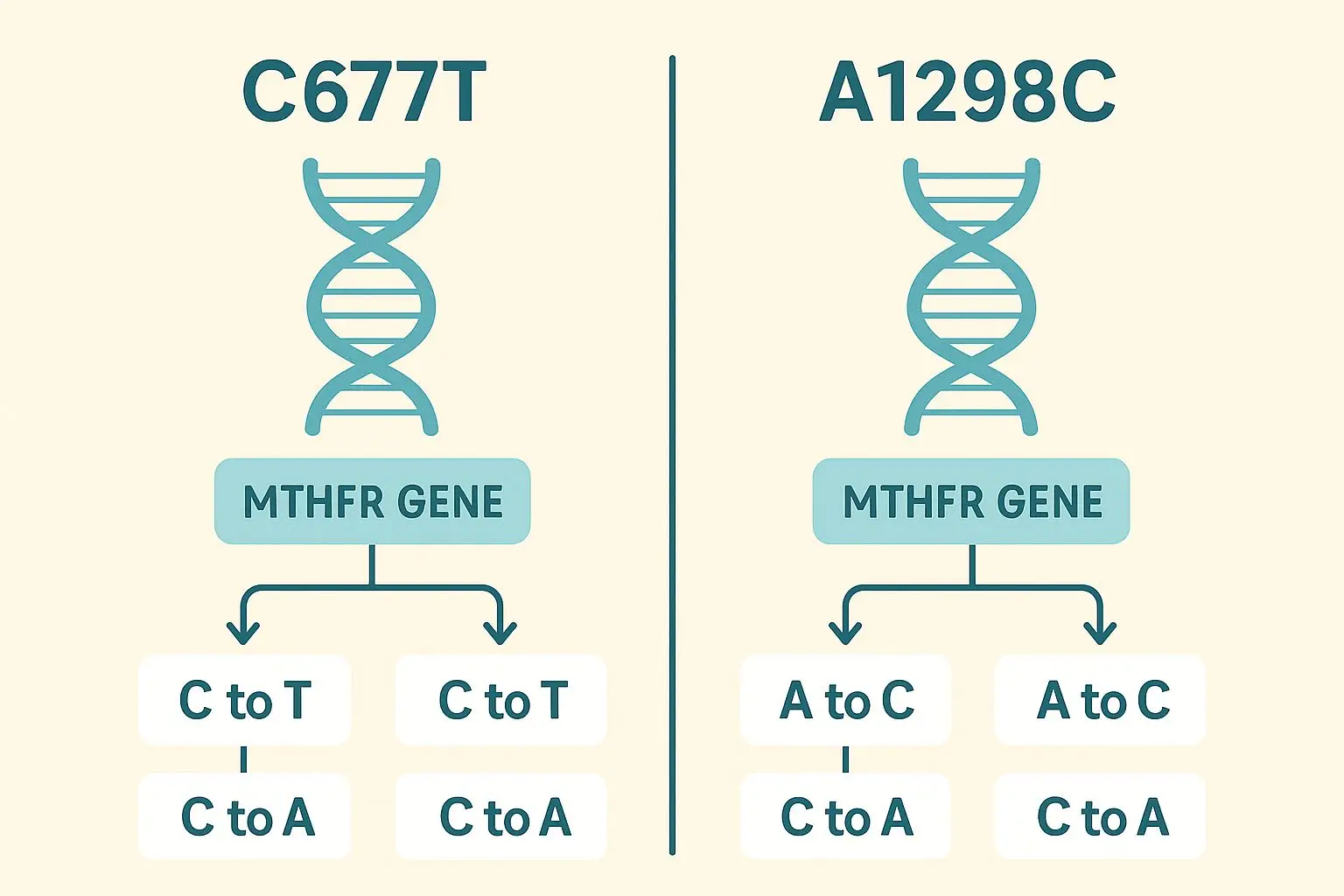
Genetic variations in the MTHFR gene are passed down from your parents, with two main variants being most common in the population. How these variations affect you depends on whether you inherited one variant (heterozygous) or two variants (homozygous), and which specific variations you carry. While these mutations have garnered significant attention in alternative health communities, understanding their actual impacts requires separating scientific evidence from exaggerated claims.
C677T Variant: The Most Common Mutation
The C677T variant is the most frequently occurring MTHFR mutation, where at position 677 in the gene, the expected DNA base “C” (cytosine) is replaced by “T” (thymine). This substitution creates an enzyme that’s more temperature-sensitive and less stable than the normal version. Research shows that people homozygous for C677T (having two copies) may experience a 30-70% reduction in enzyme activity, while those with one copy (heterozygous) typically see a more modest 30-40% reduction. This variant is particularly common in certain ethnic groups, with higher frequencies observed in Hispanic and Mediterranean populations.
A1298C Variant: The Lesser-Known Mutation
The A1298C variant occurs at position 1298 in the MTHFR gene, where “A” (adenine) is replaced with “C” (cytosine). This mutation generally has milder effects on enzyme function compared to C677T, with homozygous individuals experiencing approximately a 30-40% reduction in enzyme activity. Current scientific consensus suggests that the A1298C variant alone doesn’t significantly impact how your body processes folate or manages homocysteine levels. However, when combined with the C677T variant or other genetic factors, it may become more relevant to health outcomes.
Having Multiple MTHFR Variants
Some individuals inherit a combination of these mutations—perhaps one C677T variant from one parent and one A1298C from the other (compound heterozygous), or two copies of the same variant (homozygous). Compound heterozygosity for C677T and A1298C may reduce enzyme efficiency by approximately 50-60%, similar to being homozygous for the C677T variant alone. The actual health impact varies widely among individuals and depends on many other genetic and environmental factors beyond just the MTHFR gene itself.
How MTHFR Mutations Affect Your Health
Understanding the real-world impact of MTHFR mutations requires looking beyond the genetic code to how these variations affect your biochemistry. The primary concern with reduced MTHFR enzyme function isn’t the mutation itself but its potential downstream effects on folate metabolism and homocysteine management. These biochemical processes influence numerous systems throughout your body, from cardiovascular function to neurological health.
It’s important to understand that having an MTHFR mutation doesn’t guarantee health problems. Many people with these genetic variations live entirely normal lives without any related symptoms. Your overall genetic profile, diet, lifestyle, and environmental factors all work together to determine whether an MTHFR mutation will have any noticeable impact on your health. This explains why identical mutations can produce dramatically different outcomes in different individuals.
Folate Metabolism and Homocysteine Levels
The most direct impact of MTHFR mutations involves how efficiently your body converts dietary folate and folic acid (the synthetic form found in supplements and fortified foods) into its active form, methylfolate. With reduced enzyme function, this conversion process may be slowed, potentially limiting the availability of active folate for important bodily functions. This inefficiency may lead to elevated homocysteine levels in some individuals, as methylfolate is required to convert homocysteine into methionine.
Homocysteine is an amino acid produced during protein metabolism that, when elevated, has been associated with increased risk for various health conditions. Normal homocysteine levels typically range between 5-15 μmol/L, with optimal levels below 10 μmol/L. Studies show that some individuals with homozygous C677T mutations may have homocysteine levels 25% higher than those without mutations, though many factors beyond MTHFR status influence these levels, including vitamin B status, kidney function, and age. For a deeper understanding of how genetic variants like these can impact your health, you can explore this guide on understanding genetic variants.
Conditions Linked to MTHFR Mutations
Research has investigated potential associations between MTHFR mutations and various health conditions, with mixed and often inconclusive results. Some studies have suggested links between MTHFR variants and cardiovascular disease, stroke, certain cancers, neurological disorders, pregnancy complications, and mental health conditions. However, many of these associations remain controversial in the medical community, with larger and more recent studies often failing to confirm earlier findings.
The strongest evidence points to a modest association between homozygous C677T mutation and slightly increased risks of venous thrombosis, neural tube defects, and certain pregnancy complications when combined with other risk factors. Important to note is that most of these associations are related to elevated homocysteine levels rather than the MTHFR mutation itself. This distinction matters because homocysteine levels can be influenced by many factors besides genetics, including diet, vitamin status, and lifestyle choices.
Separating Fact from Fiction
The internet is filled with claims linking MTHFR mutations to everything from autism and chronic fatigue to chemical sensitivities and mental health disorders. Many of these claims greatly overstate the scientific evidence or misinterpret research findings. Major medical organizations, including the American College of Medical Genetics and Genomics, have issued statements cautioning against overemphasizing the clinical significance of MTHFR variants for most conditions and recommending against routine MTHFR genetic testing.
What’s important to understand is that while MTHFR mutations may contribute to certain health risks in some individuals, they’re rarely the sole cause of complex health conditions. The human genome contains approximately 20,000 genes, all interacting with each other and environmental factors in complex ways. Focusing exclusively on a single genetic variant oversimplifies human biology and can lead to inappropriate interventions or unnecessary worry. To gain a deeper understanding, you might explore how your genes influence your health.
Testing for MTHFR Gene Mutations
Genetic testing for MTHFR mutations has become increasingly accessible through both medical providers and direct-to-consumer testing companies. However, the widespread availability of these tests doesn’t necessarily mean they’re beneficial or recommended for everyone. Understanding when testing might be appropriate, what options exist, and how to interpret results is essential for making informed decisions about your genetic health.
When Testing Makes Sense
Despite the abundance of MTHFR testing options, major medical organizations like the American College of Medical Genetics and Genomics generally recommend against routine testing for these gene variants. This recommendation stems from the limited clinical utility of the test results for most people and the potential for unnecessary anxiety or inappropriate treatments. The presence of an MTHFR variant alone rarely changes medical management, as doctors typically focus on addressing elevated homocysteine levels regardless of genetic status.
Testing may be warranted in specific clinical scenarios, such as in patients with unexplained high homocysteine levels, certain blood clotting disorders without obvious causes, or a strong family history of premature cardiovascular disease or recurrent pregnancy loss. Even in these cases, testing should be performed under the guidance of healthcare providers who can properly interpret the results and recommend appropriate follow-up care based on the complete clinical picture, not just genetic findings.
Types of Tests Available
Several testing options exist for those who do wish to determine their MTHFR status. Traditional medical genetic testing typically involves a blood draw and analysis specifically targeting the common MTHFR variants (C677T and A1298C). These tests are often covered by insurance when medically indicated and ordered by a healthcare provider. Results typically take 1-2 weeks and are reported with clinical interpretation from genetic specialists.
Direct-to-consumer genetic testing companies like 23andMe and Ancestry include MTHFR variants in their raw data, though they may not specifically report on these markers in their health reports due to regulatory limitations. Third-party tools can analyze this raw data to identify MTHFR mutations, though the accuracy varies and results should be confirmed through clinical testing if medical decisions will be based on them. Specialized functional medicine practitioners may offer more comprehensive genetic panels that include MTHFR along with other genes involved in methylation pathways.
Understanding Your Test Results
MTHFR test results typically identify whether you have one variant (heterozygous), two identical variants (homozygous), two different variants (compound heterozygous), or no mutations (wild type). While these results tell you about your genetic makeup, they don’t necessarily predict health outcomes or indicate a need for specific interventions. Rather than focusing exclusively on genetic status, healthcare providers often recommend direct testing of homocysteine levels and other metabolic markers that provide more actionable information about your current health status.
MTHFR Mutations During Pregnancy
Pregnancy represents a critical period when MTHFR mutations may become more relevant to health outcomes. During pregnancy, folate requirements naturally increase to support rapid cell division and fetal development, particularly in the early weeks when the neural tube is forming. Women with reduced MTHFR enzyme efficiency may need to pay special attention to their folate intake and form to support healthy fetal development. For a deeper understanding of how genetic variants can impact health, you can explore what your DNA really tells you.
The relationship between MTHFR mutations and pregnancy complications has been studied extensively, with research suggesting some associations between certain variants and increased risk for recurrent pregnancy loss, preeclampsia, placental abruption, and neural tube defects. However, these risks are modest and often preventable with appropriate prenatal care and nutrition strategies tailored to individual needs.
Folic Acid Requirements
A common misconception is that women with MTHFR mutations should avoid folic acid supplements in favor of methylfolate. However, the Centers for Disease Control and Prevention and other major health organizations maintain that folic acid remains appropriate even for those with MTHFR variants. Research has consistently demonstrated that standard folic acid supplementation significantly reduces neural tube defect risk across all genetic profiles, including those with MTHFR mutations.
All women planning pregnancy should consume 400-800 mcg of folate daily, typically through a prenatal vitamin containing folic acid, regardless of MTHFR status. Those with known MTHFR mutations may benefit from slightly higher doses (600-1000 mcg) or supplemental methylfolate in addition to folic acid, but this should be determined in consultation with healthcare providers based on individual circumstances and homocysteine levels.
Pregnancy Complications and Risk Factors
Women with MTHFR mutations who have experienced previous pregnancy complications or have elevated homocysteine levels may require additional monitoring during pregnancy. Some specialists recommend testing homocysteine levels before conception or early in pregnancy to establish a baseline and determine whether additional interventions might be beneficial. Maintaining optimal B-vitamin status throughout pregnancy is particularly important for women with MTHFR variants to support proper methylation and reduce potential risks.
Pregnancy Considerations for MTHFR Mutations
• Continue standard prenatal vitamins with folic acid
• Consider homocysteine testing before/during pregnancy
• Maintain adequate B12, B6, and folate levels
• Discuss any history of pregnancy complications with healthcare providers
• Consider additional folate-rich foods in diet
Managing MTHFR Mutations Effectively

Managing MTHFR mutations effectively focuses on supporting optimal methylation through diet, lifestyle, and targeted supplementation when necessary. The good news is that for most people with these genetic variations, simple adjustments to daily habits can compensate for reduced enzyme efficiency without requiring complex protocols or expensive specialized supplements. The goal is to support your body’s natural biochemical processes while addressing any specific issues that may arise from altered methylation.
Dietary Strategies
Nutrition plays a central role in managing MTHFR variations, as diet directly influences folate status, homocysteine levels, and overall methylation capacity. A balanced, nutrient-rich diet forms the foundation of any MTHFR management plan, with particular attention to certain key nutrients that support methylation pathways. Rather than eliminating entire food groups based on MTHFR status alone, focus on including a diverse range of nutrient-dense whole foods.
1. Folate-Rich Foods to Include
Natural food sources of folate can be particularly beneficial for those with MTHFR mutations, as they provide folate in forms that may be more easily utilized than synthetic folic acid. Dark leafy greens like spinach, kale, and collard greens provide substantial amounts of natural folate, along with other beneficial nutrients. Other excellent sources include asparagus, Brussels sprouts, broccoli, avocados, lentils, beans, and liver. Incorporating a variety of these foods regularly helps maintain optimal folate status to support methylation processes.
2. Foods to Limit or Avoid
While there’s no universal “MTHFR diet,” some individuals may benefit from limiting certain substances that can potentially increase homocysteine levels or place additional demands on methylation pathways. These include alcohol, which interferes with folate absorption and metabolism, and excessive caffeine, which may deplete B vitamins in some individuals. Processed foods high in synthetic folic acid might be consumed in moderation by some with significant MTHFR mutations, though evidence for this recommendation remains limited.
3. Smart Supplement Choices
For some individuals with MTHFR mutations, targeted supplementation may help optimize methylation capacity and maintain healthy homocysteine levels. B-complex vitamins play crucial roles in the methylation cycle, with vitamin B12, B6, riboflavin (B2), and folate being particularly important. Some practitioners recommend using methylated forms of these vitamins (methylcobalamin for B12, methylfolate for folate) for those with MTHFR mutations, though clinical evidence showing superior outcomes with these forms remains limited.
Other nutrients that support methylation include choline, betaine (trimethylglycine), magnesium, zinc, and omega-3 fatty acids. While these supplements are generally safe when taken at appropriate doses, they should be used thoughtfully based on individual needs rather than as a blanket approach for anyone with MTHFR variants. Working with healthcare providers to determine specific deficiencies through testing can help guide targeted supplementation strategies.
Medical Approaches to MTHFR Support
Beyond dietary interventions and basic supplementation, some individuals with MTHFR mutations may benefit from more comprehensive medical approaches, particularly if they’re experiencing symptoms potentially related to methylation issues or have persistently elevated homocysteine levels. Medical management focuses on addressing specific biochemical imbalances rather than treating the genetic variation itself, which cannot be changed.
The cornerstone of medical management typically involves monitoring homocysteine levels rather than focusing exclusively on genetic status. Elevated homocysteine serves as a functional marker that methylation processes may not be operating optimally and provides a measurable target for interventions. Regular testing can help track progress and adjust treatment strategies as needed based on objective data rather than symptoms alone.
Working With Healthcare Providers
Finding healthcare providers knowledgeable about MTHFR mutations can significantly improve management outcomes. While conventional physicians may be familiar with these genetic variations, practitioners specializing in functional or integrative medicine often have more extensive experience working with methylation issues. The ideal provider should take a balanced approach, neither dismissing MTHFR variations as irrelevant nor attributing every health concern to these genetic differences. They should be willing to order appropriate tests, interpret results in context, and develop individualized treatment plans based on your specific health status.
When Supplements Make Sense
Targeted supplementation should be based on objective measures whenever possible rather than generic protocols for all MTHFR carriers. Beyond basic B vitamins, some individuals may benefit from additional supportive nutrients like SAMe (S-adenosylmethionine), a direct methyl donor that can support methylation independent of the MTHFR enzyme. However, these more specialized supplements should be used judiciously under professional guidance, as they can potentially disrupt the delicate balance of methylation processes if used inappropriately.
Living Your Best Life With MTHFR Mutations
Perhaps the most important aspect of managing MTHFR mutations is maintaining perspective. While these genetic variations may influence certain aspects of your biochemistry, they don’t define your health destiny or require radical lifestyle changes for most people. The human body is remarkably adaptable and has multiple backup systems to ensure essential processes continue even when certain pathways are less efficient. Focus on overall health fundamentals—nutritious diet, regular exercise, stress management, adequate sleep—while addressing specific methylation-related issues as needed based on your individual health status and symptoms rather than genetic status alone.
Frequently Asked Questions
The world of MTHFR research continues to evolve, with new insights emerging regularly about these common genetic variations. Unfortunately, misinformation about MTHFR mutations abounds online, leading many people to unnecessary worry or inappropriate interventions. The following questions address some of the most common concerns and misconceptions about MTHFR mutations, with answers based on current scientific understanding rather than speculation.
Remember that genetic variations like MTHFR mutations are just one small piece of your overall health puzzle. They exist within the context of thousands of other genes, your unique biochemistry, lifestyle choices, and environmental exposures—all working together to influence health outcomes. Focusing exclusively on MTHFR status while ignoring these other factors rarely leads to meaningful health improvements.
If you’re concerned about how MTHFR mutations might affect your health, consider consulting with healthcare providers who take a balanced, evidence-based approach to genetic variations and can help you develop personalized strategies based on your complete health picture rather than a single genetic marker.
Do I need to get tested for MTHFR mutations?
For most people, MTHFR testing isn’t necessary or particularly useful. Major medical organizations, including the American College of Medical Genetics and Genomics, recommend against routine testing because the results rarely change medical management for most individuals. If you’re concerned about methylation issues, testing homocysteine levels directly provides more actionable information than genetic testing alone. The exception may be for those with unexplained elevated homocysteine levels, certain clotting disorders, or specific pregnancy complications, where understanding MTHFR status might help guide treatment.
If you’ve already been tested and discovered you have an MTHFR mutation, remember that these variations are extremely common (affecting up to 40% of people) and most carriers experience no related health problems. Rather than focusing on the genetic variation itself, work with healthcare providers to address any specific symptoms or biochemical imbalances that might be influenced by altered methylation. For more insights, you might consider reading about understanding genetic variants and what your DNA really tells you.
Can MTHFR mutations cause autism or mental health issues?
While some studies have investigated potential associations between MTHFR mutations and neurological conditions like autism spectrum disorders, depression, anxiety, and schizophrenia, the evidence remains inconsistent and largely inconclusive. These complex conditions involve multiple genetic and environmental factors, and attributing them primarily to MTHFR mutations represents an oversimplification not supported by current research. Some studies suggesting links may reflect publication bias or methodological limitations, while larger and more recent studies often fail to confirm these associations.
Should I take special methylfolate supplements if I have an MTHFR mutation?
Not necessarily. While methylfolate supplements are widely marketed to those with MTHFR mutations, there’s limited clinical evidence showing they produce better outcomes than standard folic acid supplements for most people. The human body can still convert folic acid to its active form even with reduced MTHFR enzyme efficiency, just at a somewhat slower rate. For the majority of people with MTHFR mutations, standard B-complex vitamins containing folic acid, along with a folate-rich diet, adequately support methylation processes.
That said, some individuals, particularly those with homozygous mutations and elevated homocysteine levels, may benefit from methylated forms of B vitamins. This decision should be made in consultation with healthcare providers based on your specific health status, symptoms, and laboratory values rather than genetic status alone. Expensive specialized “methylation support” supplements often contain numerous ingredients with little evidence supporting their use specifically for MTHFR variants.
Are my children guaranteed to inherit my MTHFR mutations?
No, inheritance of MTHFR mutations follows standard patterns of genetic inheritance, meaning your children have a chance of inheriting your mutations but aren’t guaranteed to do so. If you’re heterozygous (have one copy of a mutation), each of your children has a 50% chance of inheriting that variant. If you’re homozygous (have two copies), all your children will inherit at least one copy. However, whether they inherit both copies depends on your partner’s genetic status. Remember that even if children do inherit MTHFR mutations, most people with these genetic variations live perfectly healthy lives without significant issues.
Can MTHFR mutations affect my lifespan?
Current evidence doesn’t support the notion that MTHFR mutations significantly impact lifespan for most individuals. While some studies have investigated potential associations between these genetic variations and conditions that could affect longevity, such as cardiovascular disease, the relationships are complex and heavily influenced by numerous other genetic and environmental factors. Maintaining a healthy lifestyle, managing homocysteine levels if elevated, and addressing specific health concerns as they arise is more important than focusing on MTHFR status alone. Many people with MTHFR mutations live long, healthy lives without any related complications.
Rather than viewing MTHFR mutations as health determinants, consider them as one small piece of your genetic blueprint that may influence certain biochemical processes. By supporting your body’s natural methylation capabilities through balanced nutrition and healthy lifestyle choices, most people can effectively compensate for any reduced enzyme efficiency without significant health consequences. To learn more about how your genes influence your health, you can read this article on the science explained.
Remember that genetic knowledge is empowering only when it leads to appropriate, evidence-based actions rather than unnecessary worry or interventions. Work with healthcare providers who take a balanced approach to genetic variations and can help you develop personalized strategies based on your complete health picture.
To learn more about genetic health and personalized approaches to methylation support, visit Genetic Wellness Partners, where experts can help you navigate complex genetic information with evidence-based, practical recommendations tailored to your unique needs. For further insights, you can also explore how your genes influence your health.
The MTHFR gene mutation is a genetic variant that can have significant effects on an individual’s health. It is important to understand how this mutation impacts the body’s ability to process folate and homocysteine, which can lead to various health issues. For those interested in learning more about how genetic variants like the MTHFR mutation can influence health, you can explore understanding genetic variants to gain deeper insights.
Ready to take control of your genetic wellness? At Zenith Vital Wellness, we provide evidence-based guidance to help you understand your unique needs and optimize your health. Discover how personalized nutrition and lifestyle support can make a difference today.
Explore Wellness Solutions at Zenith Vital Wellness