1.855.305.2430
The Difference Between Ancestry and Health DNA Testing Leave a comment
Key Takeaways
- Ancestry DNA tests reveal your ethnic origins and help find relatives, while health DNA tests identify potential genetic health risks and carrier status for hereditary conditions.
- Different testing companies specialize in different aspects – AncestryDNA excels at family history, while 23andMe offers both ancestry and health insights in one package.
- Health DNA tests require FDA oversight and often provide actionable medical information that may influence healthcare decisions.
- Your DNA data is a valuable personal asset with different privacy implications depending on whether you choose ancestry or health testing.
- DNA Weekly provides comprehensive comparisons of testing options to help you make an informed decision based on your personal goals.
DNA Testing Explained: Ancestry vs. Health
DNA testing has revolutionized how we understand ourselves, offering insights that were unimaginable just decades ago. The key distinction in consumer DNA testing lies between ancestry and health-focused tests, each unlocking different aspects of your genetic code.
When you submit a sample to either type of test, the lab analyzes specific markers in your DNA. The difference lies in which markers they examine and how they interpret the results. Ancestry tests look for genetic variations that indicate your ethnic origins and biological relationships, while health tests search for variants associated with disease risk and other medical conditions.
Both test types begin the same way – you provide a saliva sample or cheek swab that contains cells with your DNA. The testing company extracts your DNA, processes it through specialized equipment, and compares your genetic markers against reference databases. It’s what happens next that sets these test types apart in meaningful ways.
DNA Testing at a Glance
Ancestry Testing: Focuses on ethnicity, family connections, and genealogical research
Health Testing: Identifies genetic health risks, carrier status, and trait information
Both: Require a simple at-home collection process and analyze your DNA markersWhat Ancestry Tests Reveal About Your Family History
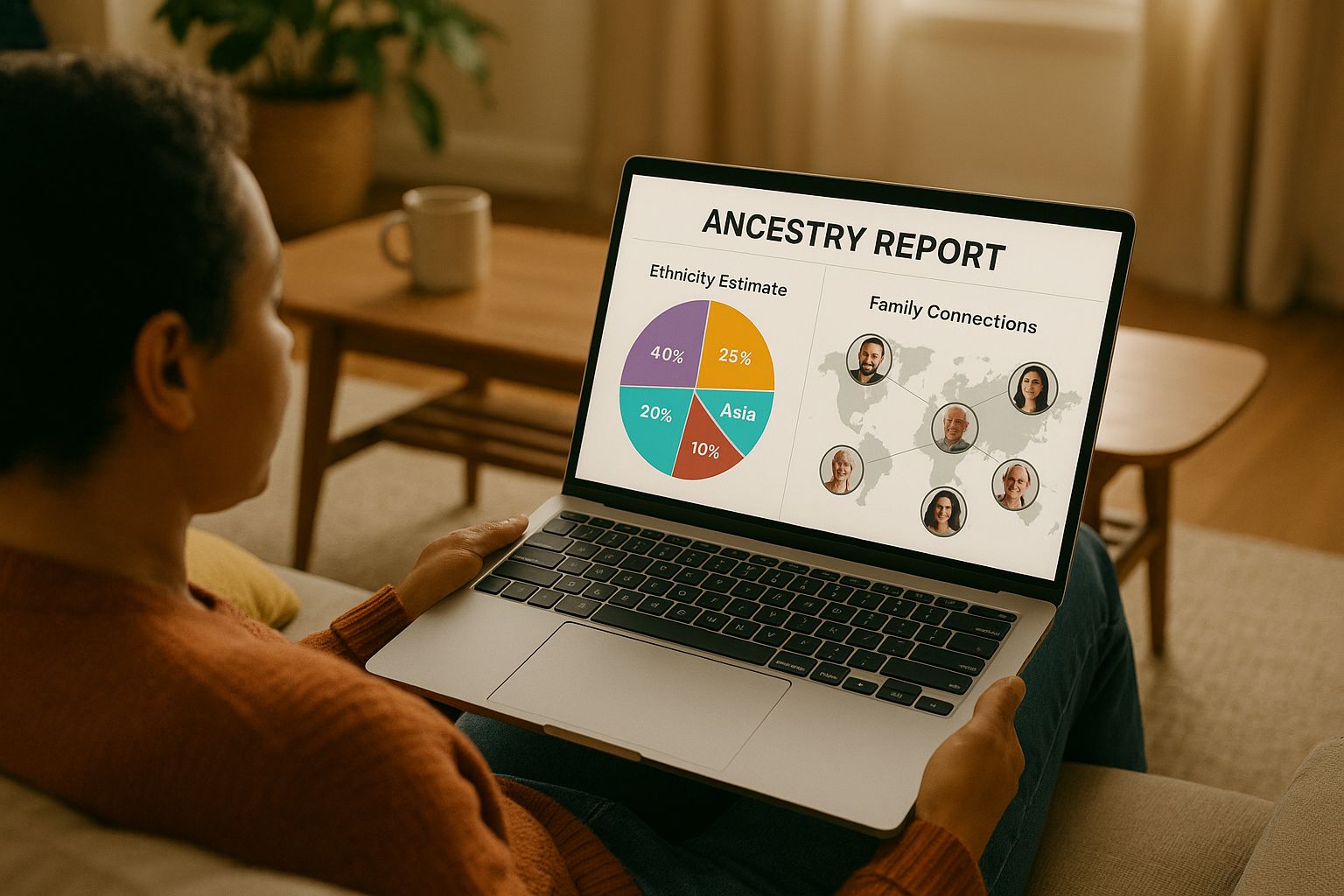
Ancestry DNA tests shine a spotlight on your genetic heritage, breaking down your ethnicity into percentages that reflect your ancestral origins. These tests examine thousands of genetic markers that vary between populations around the world, creating a detailed portrait of where your ancestors likely lived generations ago. For more information, you can explore DNA testing comparisons to understand different test options available.
Beyond ethnicity estimates, ancestry tests connect you with genetic relatives who have also taken the test. This matching feature can be particularly powerful for adoptees searching for biological family members or genealogists looking to break through brick walls in their research. Companies like AncestryDNA, with over 20 million users in their database, offer the greatest potential for finding relatives due to their massive user base.
How Health DNA Tests Identify Medical Predispositions
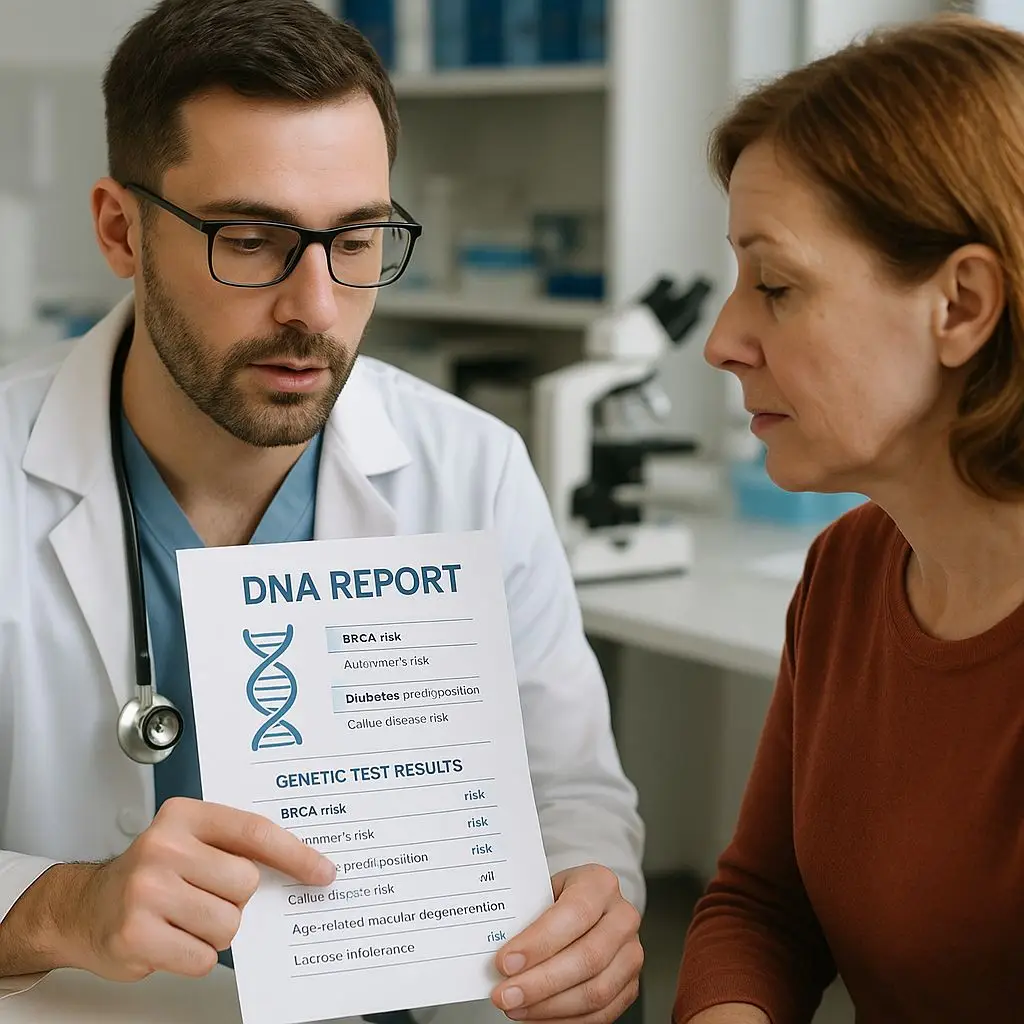
Health DNA tests take a different approach by analyzing specific genetic variants known to influence disease risk and other medical factors. These tests scan your DNA for markers associated with conditions ranging from Alzheimer’s disease to certain types of cancer, providing insights into your potential genetic predispositions.
Unlike ancestry tests, health-focused DNA testing typically requires FDA authorization because of its medical implications. Companies like 23andMe offer reports on carrier status for conditions like cystic fibrosis and sickle cell anemia, helping potential parents understand risks they might pass to children. Some tests also analyze how your body might process certain medications, information that could help your doctor prescribe more effective treatments.
- Disease risk assessments for conditions like Type 2 diabetes, Parkinson’s disease, and certain cancers
- Carrier status reports for recessive genetic conditions
- Pharmacogenetic information about medication response
- Wellness traits like caffeine metabolism and genetic weight predispositions
Why You Might Choose One Type Over the Other
Your personal goals should guide which DNA test type is right for you. If you’re passionate about genealogy, fascinated by your family’s origins, or hoping to expand your family tree, ancestry testing makes the most sense. These tests excel at connecting you with relatives and providing insights into your geographical origins, particularly when paired with traditional family history research.
What Ancestry DNA Tests Actually Tell You
Ancestry tests decode your genetic past by analyzing your autosomal DNA—the 22 chromosome pairs inherited from both parents. This analysis reveals your genetic heritage spanning roughly 5-7 generations, painting a picture of your family’s global origins and migrations throughout human history.
Ethnicity Estimates and Geographic Origins
The most popular feature of ancestry DNA tests is the ethnicity estimate—a percentage breakdown of your genetic heritage from different regions worldwide. These estimates compare your DNA against reference populations to determine which groups you share genetic similarities with. For example, you might discover you’re 45% Eastern European, 30% Western European, and 25% East Asian.
Family Matching and Relative Finder Features
One of the most powerful aspects of ancestry DNA testing is the ability to discover genetic relatives. When you submit your DNA sample, companies compare your genetic markers with others in their database, identifying potential relatives based on shared DNA segments. The amount of shared DNA helps determine the likely relationship – from close family members to distant cousins.
Most ancestry testing companies provide a list of your DNA matches ranked by closeness of relation. You’ll typically see estimated relationships, shared DNA percentages, and sometimes contact options to reach out to these newfound relatives. For many adoptees or people with unknown parentage, this feature has been life-changing, helping them discover biological family and fill in missing pieces of their personal history.
The effectiveness of relative matching depends heavily on the size of the company’s database. AncestryDNA, with its massive user base exceeding 20 million people, offers the greatest chance of finding relatives, while smaller companies may have more limited matching opportunities but often specialize in specific geographical regions or ethnic groups.
Migration Patterns of Your Ancestors
Advanced ancestry DNA tests go beyond simple ethnicity estimates to reveal the likely migration paths your ancestors followed. By examining specific genetic markers and historical migration data, these tests can show how your family moved across continents over generations, sometimes dating back thousands of years.
This migration information helps contextualize your family story within broader historical movements. For instance, you might discover your ancestors were part of the Irish diaspora during the Great Famine or trace your lineage along ancient trade routes through Asia. These insights connect your personal genetic history to significant historical events, adding depth to your understanding of where you come from.
Building Family Trees with DNA Evidence
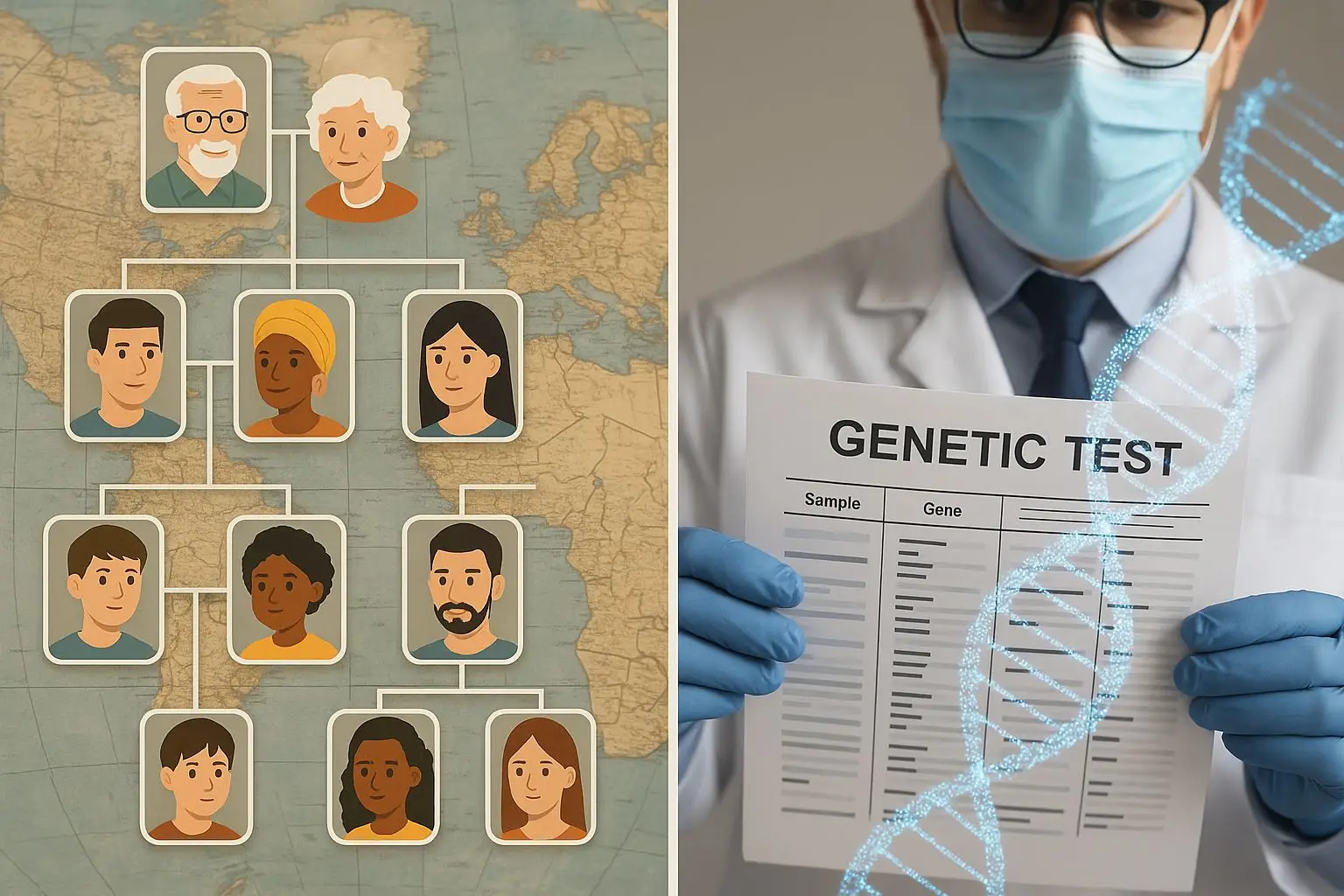
Modern ancestry testing platforms allow you to integrate your DNA results with traditional genealogical research. Companies like Ancestry provide tools to build and maintain family trees online, suggesting historical records and connections based on your genetic profile. When your DNA matches also maintain family trees, the system can identify common ancestors and suggest how you might be related.
This combination of genetic science and traditional genealogy creates a powerful research tool. DNA evidence can confirm or disprove family relationships documented in historical records, while also revealing previously unknown connections. For serious genealogists, this integration of DNA with documentary evidence has broken through countless “brick walls” in family research that seemed impenetrable using records alone.
Health DNA Testing: Beyond Family Roots
While ancestry tests explore your past, health DNA tests focus on your present and future. These tests analyze specific genetic variants associated with health conditions, carrier status, and even how your body might respond to certain medications or lifestyle factors. The information provided can range from interesting insights about genetic traits to medically significant findings that might influence healthcare decisions.
Disease Risk Assessments
Health DNA tests screen for genetic variants associated with increased risk for certain diseases and conditions. The most comprehensive tests examine markers linked to heart disease, certain cancers, Alzheimer’s disease, Parkinson’s disease, and numerous other health concerns. For example, 23andMe’s Health + Ancestry test includes reports on genetic risk factors for conditions like Late-Onset Alzheimer’s Disease and Type 2 Diabetes.
It’s crucial to understand that these tests identify risk factors, not diagnoses. Having a genetic predisposition doesn’t guarantee you’ll develop a condition, just as absence of identified risk markers doesn’t mean you’re immune. Environmental factors, lifestyle choices, and unidentified genetic factors all play significant roles in whether someone actually develops these conditions.
The value of disease risk assessment lies in its potential to inform preventive measures and early screening. Someone with elevated genetic risk for colorectal cancer, for instance, might begin screenings earlier than typically recommended. Knowledge of these predispositions allows for more personalized healthcare approaches focused on prevention.
Carrier Status for Hereditary Conditions
Carrier status testing identifies whether you carry genetic variants for recessive conditions that could potentially be passed to children. While carriers typically don’t show symptoms themselves, if two carriers of the same condition have children together, their offspring have a 25% chance of inheriting the condition.
These tests screen for dozens of conditions including cystic fibrosis, sickle cell anemia, Tay-Sachs disease, and many others. For prospective parents, this information can be invaluable for family planning, potentially leading to genetic counseling or additional testing during pregnancy. Many people discover they’re carriers of rare conditions they had no family history of, providing information that wouldn’t be available through traditional medical screening.
- Most people carry 4-5 recessive genetic variants on average
- Carrier screening can identify up to 300+ recessive conditions with advanced tests
- Results may influence family planning decisions and reproductive options
- Some ethnic groups have higher carrier frequencies for specific conditions
Pharmacogenetics: How Your Body Processes Medications
Pharmacogenetic testing reveals how your genetic makeup might affect your response to certain medications. These tests analyze variations in genes that influence how your body metabolizes and responds to drugs, potentially helping doctors prescribe more effective treatments with fewer side effects. For example, variations in the CYP2C19 gene affect how quickly your body processes certain antidepressants and antiplatelets, which could impact drug effectiveness and dosing requirements.
Physical and Wellness Trait Reports
Beyond medical insights, many health DNA tests include information about physical traits and wellness factors influenced by your genetics. These reports might cover everything from earwax type and cilantro taste perception to more meaningful factors like muscle composition, lactose intolerance, or genetic weight predispositions. While often viewed as the “fun” portion of health testing, these trait reports demonstrate how genetics influences countless aspects of your daily life and can sometimes provide practical insights for nutrition and fitness planning.
5 Major Differences Between Test Types
While ancestry and health DNA tests both analyze your genetic code, they differ fundamentally in focus, regulatory oversight, cost structure, privacy considerations, and practical applications. Understanding these differences is essential for choosing the test that aligns with your personal goals and expectations. The distinctions go far beyond simple marketing categories and reflect fundamentally different approaches to genetic analysis and information delivery.
1. Testing Methodology and Analysis Focus
Ancestry tests primarily analyze what geneticists call identity by descent (IBD) and identity by state (IBS) markers across your genome. These tests look for patterns of genetic variation that differ between population groups and can indicate shared ancestry. The focus is on SNPs (single nucleotide polymorphisms) that vary between ethnic populations and can reveal family relationships.
Health DNA tests, by contrast, specifically target variants with known or suspected health implications. These tests analyze clinically relevant SNPs associated with disease risk, drug metabolism, and carrier status. While ancestry tests might examine hundreds of thousands of markers across your genome for population patterns, health tests often focus intensively on specific genes and variants with established medical significance.
The reference databases also differ significantly. Ancestry tests compare your DNA against population samples from around the world to determine ethnic origins, while health tests reference clinical databases of known pathogenic variants. This fundamental difference in analysis approach and reference data explains why a test excellent for determining your ethnic background might provide no useful health information, and vice versa.
2. Cost Structures and Subscription Models
Ancestry and health DNA tests typically have different pricing structures that reflect their distinct purposes. Basic ancestry tests generally start around $59-99 for a one-time purchase, providing ethnicity estimates and relative matching. Premium ancestry services like AncestryDNA often offer subscription-based access to historical records and advanced genealogical tools that complement your DNA results, with monthly fees ranging from $20-45 depending on access level.
Health DNA testing tends to command higher prices, reflecting the more specialized analysis and medical implications of the results. Comprehensive health tests like 23andMe’s Health + Ancestry service typically cost $199-299. These higher prices partly result from the additional regulatory requirements and scientific validation needed for health-related genetic testing. Unlike ancestry services, health DNA tests rarely use subscription models, instead charging a one-time fee with optional add-on reports sometimes available.
For budget-conscious consumers, it’s worth noting that many companies offer significant discounts during holidays, sometimes reducing prices by 30-50%. DNA Weekly provides up-to-date comparisons of testing options and pricing to help you make the most cost-effective choice based on your testing goals, whether you’re primarily interested in your family history or potential health insights.
3. FDA Regulation and Medical Oversight
One of the most significant differences between ancestry and health DNA testing is the level of regulatory oversight. Health DNA tests that provide medical information must receive FDA authorization before they can be marketed to consumers. This authorization process ensures the tests meet standards for accuracy, reliability, and clinical validity. Companies like 23andMe have worked extensively with the FDA to validate their health reports, particularly for serious conditions like BRCA-related cancer risk and Parkinson’s disease.
Ancestry tests, by contrast, typically don’t require FDA oversight because they don’t make medical claims. These tests fall under less stringent regulatory frameworks since they’re considered informational rather than medical in nature. This regulatory distinction explains why some companies offer only ancestry testing—the barrier to market entry is lower without the need for clinical validation and FDA review.
The higher regulatory standards for health testing provide important consumer protections but also limit which health conditions can be reported. Only genetic variants with strong scientific evidence linking them to specific conditions receive authorization, which is why health DNA tests can’t provide comprehensive analysis of all potential genetic health risks.
4. Privacy Considerations and Data Usage
Both test types involve sharing your most personal data—your genetic code—but the privacy implications differ in important ways. Health DNA data is subject to stricter privacy protections under laws like HIPAA when used in clinical contexts, though direct-to-consumer tests may not always qualify for these protections. Companies offering health testing typically have more restrictive policies about sharing data with third parties due to the sensitive nature of health information.
Ancestry testing companies often have business models that rely partly on anonymized data sharing with research partners or pharmaceutical companies. Many users consent to participate in research programs that aggregate genetic data to advance scientific discovery. While this data is typically de-identified, the comprehensive nature of DNA means privacy concerns remain significant regardless of which test type you choose.
Before testing with any company, carefully review their privacy policy, data ownership terms, and options for data deletion. Consider whether you want your sample stored long-term, if you’re comfortable with your data being used for research, and what happens to your information if the company changes ownership. For more insights, you can explore DNA testing for health.
5. Actionability of Results
Perhaps the most practical difference between test types is how immediately actionable the results are. Health DNA test results can have direct implications for your medical care. Discovering you carry BRCA gene mutations associated with breast and ovarian cancer risk might lead to increased screening or preventive measures. Learning you metabolize certain medications poorly could help your doctor adjust dosages to prevent adverse reactions.
Ancestry results, while personally meaningful, rarely require immediate action. Discovering you’re 15% Scandinavian rather than German as family lore suggested is fascinating but doesn’t typically necessitate lifestyle changes. The exception comes when ancestry tests reveal unexpected close relatives or non-paternity events, which can have significant emotional and psychological impacts requiring careful consideration.
This difference in actionability explains why health tests often include genetic counseling resources or physician consultation options, while ancestry services focus more on community building and genealogical research tools.
Popular Testing Companies Compared
The DNA testing landscape features several major players, each with distinct strengths and specializations. Understanding what each company offers helps ensure you select the test that best matches your personal goals, whether you’re primarily interested in health insights, family connections, or a combination of both.
23andMe: The Hybrid Approach
23andMe pioneered the combination of ancestry and health testing in a single consumer product. Their Health + Ancestry service provides comprehensive ethnicity estimates alongside FDA-authorized health reports covering disease risk, carrier status, and wellness traits. The company maintains one of the most user-friendly interfaces in the industry, making complex genetic information accessible to non-specialists.
A particular strength of 23andMe is their trait reporting, which covers everything from genetic influences on your taste preferences to physical characteristics like hair texture. They also provide unique ancestry features like maternal and paternal haplogroup analysis and Neanderthal ancestry percentages. For those interested in both health and heritage, 23andMe offers the most comprehensive single-test solution, though their relative-matching database is smaller than AncestryDNA’s.
AncestryDNA: Family History Specialists
AncestryDNA dominates the genealogy-focused testing market with the largest consumer DNA database in the world, making it the gold standard for finding genetic relatives. Their integration with Ancestry.com’s vast collection of historical records creates a powerful platform for family history research. Recent enhancements like ethnicity inheritance and genetic communities provide increasingly detailed insights into your family’s historical origins.
Unlike 23andMe, AncestryDNA focuses exclusively on ancestry without FDA-authorized health reports. They do offer AncestryDNA Traits as an add-on service, but these reports cover only basic inherited characteristics like earlobe type and bitter taste perception, not medically relevant health risks. For serious genealogists and those primarily interested in building their family tree, AncestryDNA remains the industry leader despite its limited health offerings. For more information on how genetic testing can impact your health, check out this complete beginner’s guide.
MyHeritage vs. FamilyTreeDNA
These two companies represent specialized alternatives to the industry giants. MyHeritage DNA excels at European ancestry analysis and offers strong international matching, making it particularly valuable for those with non-U.S. heritage. Their interface supports 42 languages, and they’ve built a significant user base in Europe, providing connection opportunities that might be missed on U.S.-centric platforms.
FamilyTreeDNA specializes in advanced genetic genealogy, offering separate Y-DNA and mtDNA tests that trace paternal and maternal lineages much further back than standard autosomal tests. Their dedicated community of serious genetic genealogists makes them the platform of choice for specialized ancestry research, particularly for breaking through difficult genealogical brick walls or deep ancestral origins. For more insights on how your genes can influence your ancestry and health, explore the science behind genetic influence.
Medical-Grade Testing Options
For those primarily concerned with health implications, clinical-grade testing through healthcare providers offers more comprehensive analysis than direct-to-consumer tests. Companies like Invitae and Color Genomics provide physician-ordered testing that examines more genes and variants than consumer tests, with results interpreted by medical professionals. These tests typically require physician involvement but provide more actionable medical information.
Some health insurance plans cover medical-grade genetic testing when ordered by a physician for specific indications, potentially making these tests more affordable than their direct-to-consumer counterparts despite higher list prices. For those with family histories of genetic conditions, these clinical tests often represent the most appropriate option for comprehensive risk assessment.
Making the Most of Your DNA Results
Regardless of which test type you choose, understanding how to effectively use and interpret your results maximizes their value. Both ancestry and health DNA tests provide complex data that requires context to be meaningful. Taking time to learn how the testing process works, what the results actually indicate, and appropriate next steps ensures you get the most from your genetic discovery journey.
Remember that DNA testing is just the beginning—not the end—of genetic exploration. Your results provide a foundation for ongoing discovery, whether that means expanding your family tree, sharing information with healthcare providers, or participating in research initiatives that advance scientific understanding.
How to Interpret Ancestry Percentages
Ethnicity estimates should be viewed as scientific approximations rather than precise measurements. These percentages represent statistical comparisons between your DNA and reference populations, with accuracy varying by region. Broad categories like “Northwestern European” typically have higher confidence levels than specific country assignments like “Irish” or “German,” especially in regions with historically similar genetic profiles.
Population history affects result interpretation significantly. For example, if your family comes from a region with substantial historical migration and admixture, like Eastern Europe or the Mediterranean, your results might show a complex mix of ethnicities reflecting centuries of population movement rather than recent ancestry. Compare your results with known family history and understand that ethnicity estimates will continue improving as reference databases expand and algorithms advance.
What to Do With Health Risk Information
Health DNA results should be approached with both caution and context. A genetic predisposition isn’t a diagnosis or prediction—it’s simply one risk factor among many that influence health outcomes. Share relevant health DNA results with your healthcare provider, who can help interpret findings in context with your overall health profile, family history, and lifestyle factors.
When to Consult Healthcare Providers
Consider consulting healthcare providers when your DNA test reveals significant disease risks, unexpected carrier status for serious conditions, or pharmacogenetic variants that might affect medication response. Genetic counselors—healthcare professionals specializing in genetic information interpretation—can be particularly valuable resources for understanding complex health DNA results and determining appropriate next steps based on your specific situation.
Combining Multiple Test Results
Many serious genetic enthusiasts eventually test with multiple companies to access different databases and report types. Tools like DNA Painter and GEDmatch allow you to upload raw data from various testing companies for additional analysis and comparison. Some users start with a comprehensive test like 23andMe for both health and ancestry insights, then add specialized testing through companies like FamilyTreeDNA for deeper patrilineal or matrilineal research.
When combining results from different companies, expect slight variations in ethnicity estimates due to different reference populations and algorithms. Health interpretations may also vary based on which specific variants each company tests, making it important to understand the limitations of each platform rather than assuming one is “more accurate” than another.
The Future of Consumer DNA Testing
The DNA testing industry continues evolving rapidly, with several emerging trends likely to shape future offerings. Expect increasing integration between genetic data and other health metrics through wearable technology and digital health platforms. Companies are already exploring how combining genetic predispositions with real-time health monitoring could create truly personalized health recommendations adapted to your unique genetic profile.
Ancestry testing is moving toward more granular geographical resolution and historical context. Future tests will likely pinpoint ancestry to increasingly specific regions and time periods, potentially connecting your DNA directly to historical events and migrations. Advancements in ancient DNA research and biogeographical reference populations will continue improving the accuracy and specificity of ethnicity estimates, particularly for underrepresented populations.
Frequently Asked Questions
As DNA testing becomes increasingly mainstream, certain questions arise repeatedly from potential testers trying to navigate their options. Here are straightforward answers to the most common questions about ancestry and health DNA testing differences.
Can ancestry DNA tests reveal health information?
Standard ancestry tests don’t provide health reports, but your raw genetic data contains information potentially relevant to health. Some third-party tools like Promethease allow you to upload raw data from ancestry tests for health analysis, though these interpretations lack FDA oversight and may include less reliable associations. If health information is important to you, choosing a test specifically designed and authorized for health reporting provides more reliable and comprehensively validated results. For more insights, you can explore how your genes influence your health.
Are health DNA tests covered by insurance?
Direct-to-consumer health DNA tests like 23andMe are typically not covered by health insurance since they’re considered elective and purchased without physician involvement. However, clinical genetic testing ordered by healthcare providers for specific medical indications may be covered depending on your insurance plan and medical necessity. Medicare and some private insurers now cover certain genetic tests for cancer risk assessment in patients meeting specific criteria, and this coverage is gradually expanding as the medical utility of genetic testing becomes more established.
If you’re primarily interested in health testing for medical reasons, consult with your healthcare provider about clinical testing options that might be covered by your insurance rather than starting with direct-to-consumer tests.
How accurate are ethnicity estimates from ancestry tests?
Ethnicity estimates have improved dramatically in recent years but still have limitations. At continental levels (distinguishing European from African or Asian ancestry), accuracy typically exceeds 95%. At the country or regional level, accuracy varies significantly based on how genetically distinct the populations are and how well represented they are in reference databases.
Companies regularly update their ethnicity estimates as reference populations expand and algorithms improve, which is why your results might change over time without your DNA changing. These updates generally increase accuracy, particularly for previously underrepresented populations. For the most reliable interpretation, focus on broad patterns and high-confidence regions rather than precise percentage points.
Can I download my raw DNA data for further analysis?
Most major testing companies allow you to download your raw genetic data files for personal use, though policies vary regarding how this data can be used. This downloadable data contains your genetic markers in a text file format that can be uploaded to third-party analysis tools or other testing platforms. Having access to your raw data increases the long-term value of testing by allowing reanalysis as new interpretations become available without requiring additional testing.
Before uploading your genetic data to third-party sites, carefully review their privacy policies. Unlike the original testing companies, these services may have different standards for data protection, usage, and sharing. Some analysis sites maintain high security standards and strict privacy protections, while others may have more permissive data usage terms. For a comprehensive understanding of what DNA testing entails, you might find this beginner’s guide to DNA testing for health useful.
Do I need to take both test types to get complete information?
For most people, choosing either an ancestry-focused test or a combined health and ancestry test like 23andMe provides sufficient information without needing multiple tests. If you have specific research goals—like serious genealogical research or concern about particular health conditions—you might benefit from specialized testing. Consider what questions you’re most interested in answering through genetic testing and select the test type that best addresses those specific concerns.
Remember that genetic testing technology continues advancing rapidly. The distinctions between test types are becoming increasingly blurred as companies expand their offerings and develop more comprehensive analysis tools. What matters most is selecting a reputable company whose testing focus aligns with your personal goals for genetic discovery.
DNA Weekly provides detailed comparisons of all major testing options to help you navigate the evolving landscape of consumer genetic testing, whether you’re primarily interested in exploring your family roots or understanding your genetic health profile.
DNA testing has become increasingly popular, providing insights into both ancestry and health. While some tests focus on tracing family lineage, others provide information about potential health risks. Companies like 23andMe and AncestryDNA offer these services, each with their unique features. To better understand the differences between these two, you can explore a detailed comparison in this article.
Unlock the Full Potential of Your DNA
Whether you’re exploring your family roots or uncovering health insights, your genetic information deserves expert interpretation. At Zenith Vital, we help you make sense of your results and turn raw data into actionable guidance for your wellness journey.Discover more at dna.zenithvital.com