 1.855.305.2430

Gluten Sensitivity Genetics: Beyond Celiac Disease Leave a comment
Key Takeaways
- Non-celiac gluten sensitivity (NCGS) affects more people than celiac disease but lacks definitive diagnostic biomarkers, making it challenging to identify.
- While HLA-DQ2 and DQ8 genes are strongly associated with celiac disease, NCGS involves different genetic markers and immune pathways.
- Genetic testing can help determine predisposition to gluten-related disorders, but environmental factors also play a crucial role in symptom development.
- Unlike celiac disease, NCGS may involve innate immune responses rather than adaptive immunity, leading to different symptom presentations.
- Beyond Celiac is working to advance understanding of all gluten-related disorders through continued research into both genetic and environmental factors.
Gluten sensitivity without celiac disease is becoming increasingly recognized in clinical settings, yet remains poorly understood by medical professionals and patients alike. If you’ve tested negative for celiac disease but still experience symptoms when consuming gluten, you may be among the growing population with non-celiac gluten sensitivity (NCGS) – a condition with distinct genetic underpinnings from its better-known counterpart. Beyond Celiac leads research initiatives that help illuminate the complex genetic factors at play in gluten-related disorders, offering hope to those seeking answers beyond traditional celiac testing.
The world of gluten-related disorders has expanded significantly in recent decades, moving beyond the binary of “celiac or not” to recognize a spectrum of conditions with varying genetic and immune mechanisms. Researchers now understand that gluten can trigger physiological responses through multiple pathways, each potentially influenced by different genetic markers and environmental factors.
The Genetic Connection: Why Some People React to Gluten Without Celiac Disease
The human body’s relationship with gluten involves a complex interplay of genetic predisposition, immune function, and environmental triggers. While celiac disease has been extensively studied and linked to specific genetic markers, non-celiac gluten sensitivity presents a more mysterious genetic profile. Current research suggests that NCGS may involve different genetic pathways than celiac disease, potentially explaining why many people experience gluten-related symptoms despite testing negative for celiac-specific antibodies and genetic markers.
The genetic landscape of gluten sensitivity extends far beyond the familiar HLA-DQ2 and DQ8 genes associated with celiac disease. Studies increasingly point to variations in genes controlling innate immunity, intestinal barrier function, and inflammatory response as potential factors in NCGS development. This genetic diversity helps explain why gluten sensitivity manifests differently across individuals and why traditional celiac testing fails to capture the full spectrum of gluten-related disorders.
The Spectrum of Gluten-Related Disorders: More Than Just Celiac
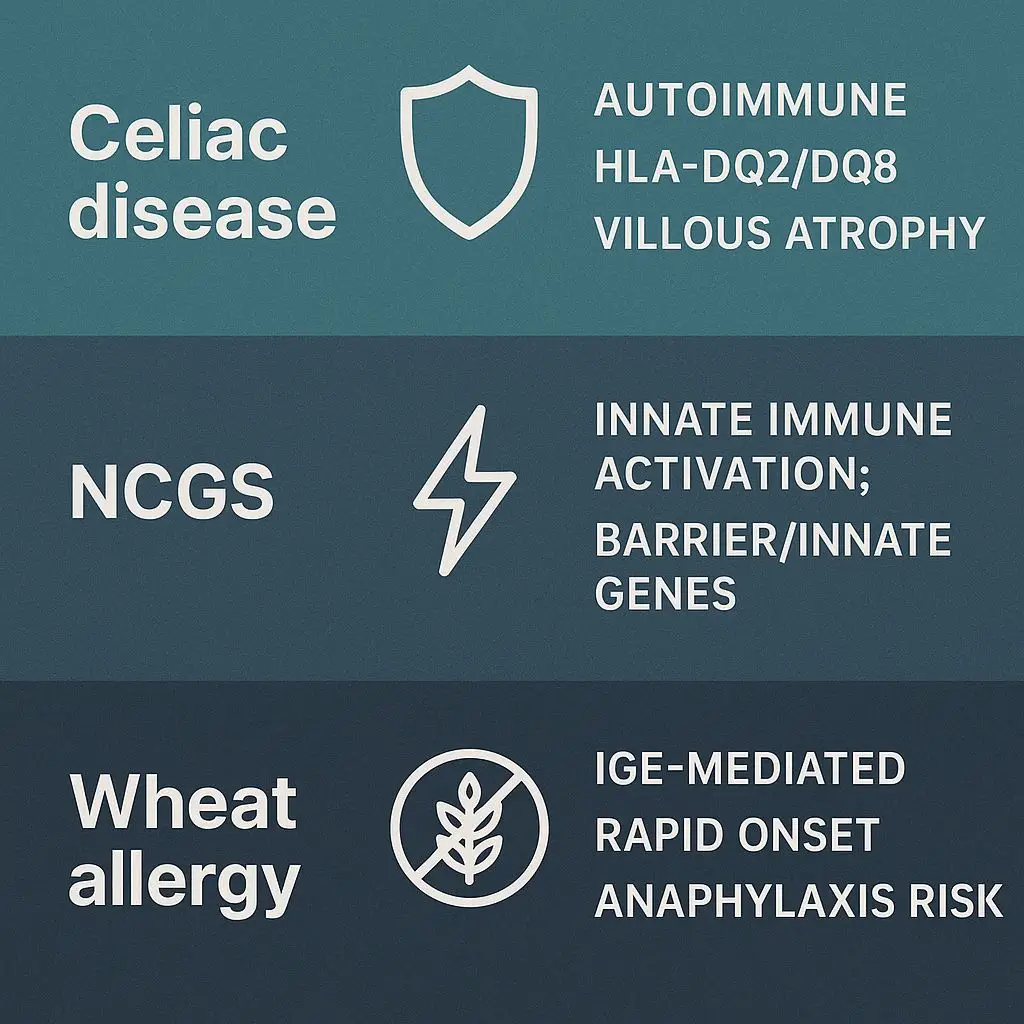
Gluten-related disorders encompass a range of conditions that trigger adverse reactions when gluten is consumed. At one end of the spectrum sits celiac disease – an autoimmune condition affecting approximately 1% of the population and characterized by specific genetic markers, measurable antibodies, and intestinal damage. Wheat allergy represents another distinct entity, involving IgE-mediated immune responses and potentially life-threatening reactions. Between these well-defined conditions lies non-celiac gluten sensitivity, affecting potentially larger numbers of people but lacking the definitive biomarkers that make celiac disease relatively straightforward to diagnose.
The Gluten-Related Disorders Spectrum
Celiac Disease: Autoimmune response, genetic markers HLA-DQ2/DQ8, intestinal damage
Non-Celiac Gluten Sensitivity: Immune response without autoimmunity, diverse genetic markers, no intestinal damage
Wheat Allergy: IgE-mediated allergic reaction, potentially anaphylactic, positive skin prick tests
Understanding this spectrum is crucial for both healthcare providers and patients navigating the complex world of gluten-related symptoms. Each condition requires different diagnostic approaches, dietary management strategies, and has distinct long-term health implications. The genetic underpinnings of each disorder provide valuable insights into why they manifest differently and how they might respond to various interventions.
Non-Celiac Gluten Sensitivity Defined
Non-celiac gluten sensitivity describes individuals who experience symptoms similar to celiac disease when consuming gluten but show no evidence of celiac-specific antibodies or intestinal damage. These symptoms typically improve or resolve completely when gluten is removed from the diet. The condition encompasses a wide range of manifestations, from gastrointestinal distress to neurological symptoms, skin disorders, and mood changes. Unlike celiac disease, which can be definitively diagnosed through blood tests and intestinal biopsies, NCGS remains a diagnosis of exclusion after ruling out celiac disease, wheat allergy, and other potential causes.
The prevalence of NCGS is challenging to determine precisely due to the lack of definitive biomarkers, but research suggests it may affect 6-10% of the population – significantly more than celiac disease. Italian multicenter research found NCGS to be only slightly more common than celiac disease in clinical settings, though this likely underrepresents those who self-diagnose without seeking medical confirmation. Despite these diagnostic challenges, growing evidence supports NCGS as a distinct physiological condition with real biological mechanisms rather than a purely psychological phenomenon.
How NCGS Differs from Celiac Disease
While celiac disease and non-celiac gluten sensitivity may present with similar symptoms, they differ fundamentally in their underlying mechanisms. Celiac disease is an autoimmune condition where the body produces antibodies against tissue transglutaminase (tTG), ultimately attacking the small intestine. NCGS, in contrast, doesn’t trigger this autoimmune response or cause the characteristic intestinal damage seen in celiac patients. Instead, research suggests that NCGS involves activation of innate immunity rather than the adaptive immune response typical of celiac disease.
The genetic differences between these conditions are equally significant. Celiac disease is strongly associated with HLA-DQ2 and HLA-DQ8 genetic markers, with approximately 95% of celiac patients carrying DQ2 and most of the remainder carrying DQ8. These markers are necessary but not sufficient for developing celiac disease, as roughly 30-40% of the general population carries these genes, but only a small fraction develops the condition. NCGS shows more genetic diversity, with research pointing to variations in genes controlling the innate immune response, intestinal permeability, and inflammatory pathways.
Wheat Allergy and Other Related Conditions
Wheat allergy represents another distinct condition within the spectrum of gluten-related disorders. Unlike celiac disease and NCGS, wheat allergy is a classic IgE-mediated allergic reaction that can cause rapid-onset symptoms ranging from mild (hives, digestive discomfort) to severe (anaphylaxis). Diagnosis relies on skin prick tests, wheat-specific IgE blood testing, and controlled food challenges. Wheat allergy involves different genetic susceptibility factors than either celiac disease or NCGS, primarily related to genes controlling allergic responses rather than autoimmunity or innate immunity.
Beyond these three main categories, researchers are beginning to identify other gluten-related conditions with distinct genetic and immunological profiles. These include gluten ataxia (affecting the nervous system), dermatitis herpetiformis (a skin manifestation of gluten sensitivity), and potential links between gluten and various neurological and psychiatric disorders. Each of these conditions may involve unique genetic susceptibility factors, highlighting the complexity of human responses to gluten-containing foods.
Genetic Markers Behind Gluten Sensitivity
The genetic landscape of gluten sensitivity extends well beyond the HLA genes traditionally associated with celiac disease. Recent research has identified several non-HLA genes potentially linked to gluten sensitivity, including genes controlling intestinal barrier function, innate immunity, and inflammatory response pathways. These discoveries help explain why some individuals experience profound reactions to gluten despite testing negative for celiac-associated genes and antibodies.
Beyond HLA-DQ2 and DQ8: New Genetic Players
While HLA-DQ2 and DQ8 genes remain the strongest genetic predictors for celiac disease, non-celiac gluten sensitivity involves a more diverse set of genetic markers. Studies have identified potential associations with genes encoding proteins like CTLA-4 (involved in immune regulation) and myosin 1XB (affecting intestinal barrier function). These non-HLA genes may play crucial roles in determining who develops NCGS and how the condition manifests. Unlike celiac disease, where the genetic picture is relatively clear, NCGS likely involves complex interactions between multiple genes and environmental factors.
Research into these genetic factors remains in its early stages, but preliminary findings suggest that variations in genes controlling the innate immune system may be particularly important. These genes regulate how the body’s first-line defenses respond to perceived threats, potentially explaining why some individuals experience immediate inflammatory responses to gluten without developing the autoimmune reaction characteristic of celiac disease. As genetic research advances, we may eventually identify specific genetic signatures that could help diagnose NCGS more definitively.
Immune Response Genes That Influence Gluten Reactions
The immune system’s response to gluten involves numerous genes controlling both innate and adaptive immunity. In NCGS, growing evidence suggests that genes regulating the innate immune response may play a central role. These genes control how the immune system initially reacts to gluten and other components of wheat, potentially triggering inflammation without progressing to the autoimmune response seen in celiac disease. Variations in genes controlling cytokine production (immune signaling molecules), pattern recognition receptors, and intestinal barrier function all potentially influence who develops gluten sensitivity and how severely they react. For a deeper understanding of how genes influence your health, further reading is recommended.
Of particular interest are genes that affect intestinal permeability – the gut’s ability to prevent potentially harmful substances from entering the bloodstream. When genetic variations compromise this barrier function, gluten proteins may gain increased access to immune cells, triggering inflammatory responses. This “leaky gut” mechanism has been proposed as a potential factor in NCGS development, linking genetic susceptibility with physiological changes that allow gluten to interact more directly with the immune system. For those interested in how genetic variations can impact health, it’s worth exploring what your DNA really tells you.
Why Genetics Only Tell Part of the Story
While genetic factors clearly influence susceptibility to gluten-related disorders, genetics alone cannot explain who develops these conditions. Even in celiac disease, where genetic links are strongest, only a small percentage of people with high-risk HLA genes ever develop the condition. This “missing heritability” phenomenon points to the critical role of environmental factors in triggering genetically predisposed individuals. For NCGS, with its more complex genetic associations, environmental influences may be even more significant in determining who develops symptoms.
The incomplete penetrance of gluten sensitivity genes highlights why genetic testing, while valuable, cannot definitively predict who will develop these conditions. A more comprehensive approach considers genetic predisposition alongside environmental exposures, gut microbiome composition, immune system regulation, and other factors that collectively determine individual responses to gluten. This multifactorial view helps explain why gluten sensitivity can develop at any age, even after years of apparently problem-free gluten consumption.
The Immune System’s Role in Non-Celiac Gluten Sensitivity
The immune system’s response to gluten represents a critical difference between celiac disease and non-celiac gluten sensitivity. While celiac disease involves a well-characterized adaptive immune response with specific antibodies and T-cell reactions, NCGS appears to operate primarily through innate immune mechanisms. This fundamental difference explains many of the diagnostic challenges associated with NCGS and why traditional celiac testing fails to identify those affected.
Innate vs. Adaptive Immune Responses
The human immune system consists of two complementary branches: the innate immune system, which provides immediate, non-specific defense against pathogens, and the adaptive immune system, which develops targeted responses to specific threats. Celiac disease primarily involves the adaptive immune system, which produces antibodies against gluten peptides and tissue transglutaminase, leading to intestinal damage. In contrast, NCGS appears to predominantly activate the innate immune system, triggering inflammation without the specific antibody production or autoimmune response characteristic of celiac disease. For a deeper understanding of how your genes influence these immune responses, explore how your genes influence your health.
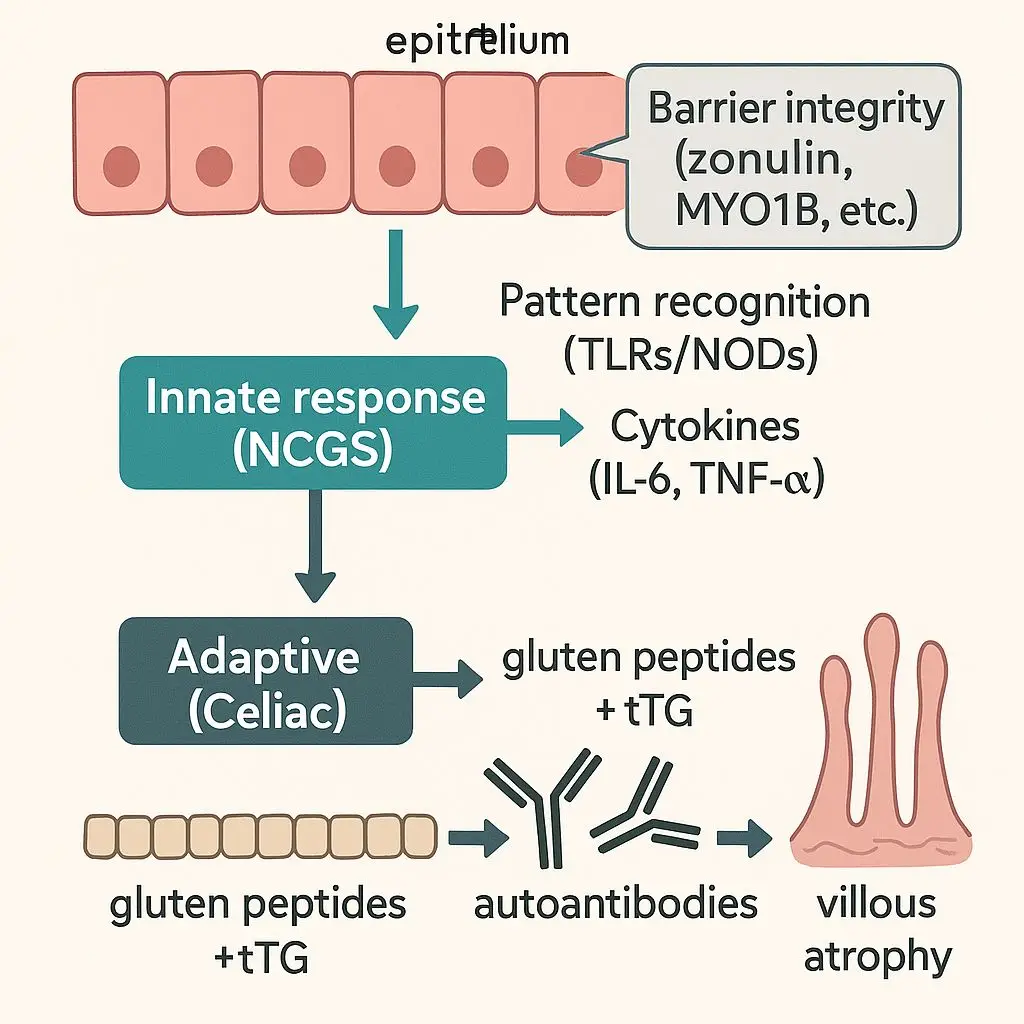
This difference in immune activation patterns helps explain why people with NCGS often report more immediate and diverse symptoms than those with celiac disease. Research has shown that after gluten exposure, individuals with NCGS frequently experience a wider array of symptoms than celiac patients, potentially reflecting the broad, systemic activation of innate immunity rather than the more localized intestinal damage of celiac disease. These different response patterns likely reflect distinct genetic predispositions in the genes controlling these immune pathways.
Inflammation Pathways Triggered by Gluten
Recent research suggests that in NCGS, gluten and other wheat components may activate specific inflammatory pathways through pattern recognition receptors like Toll-like receptors (TLRs) and NOD-like receptors. These receptors, part of the innate immune system, recognize molecular patterns associated with potential threats and trigger inflammatory responses. Genetic variations in these receptors and their signaling pathways may predispose certain individuals to mount stronger inflammatory responses when exposed to gluten proteins or other wheat components like amylase-trypsin inhibitors (ATIs).
The inflammatory cascade triggered in NCGS leads to production of pro-inflammatory cytokines including IL-1, IL-6, and TNF-alpha. These immune signaling molecules can produce both local intestinal inflammation and systemic effects that explain the diverse symptoms reported by NCGS patients, from digestive complaints to neurological symptoms, skin conditions, and fatigue. Unlike celiac disease, where inflammation follows a specific pattern of intestinal damage, NCGS inflammation may affect multiple body systems without causing the villous atrophy characteristic of celiac disease.
How to Test for Gluten Sensitivity When Celiac Tests Come Back Negative
Diagnosing non-celiac gluten sensitivity remains challenging due to the lack of specific biomarkers. The current gold standard approach involves a process of elimination, first ruling out celiac disease and wheat allergy, then documenting symptom improvement with gluten removal and symptom return with gluten reintroduction. This diagnostic journey often begins with standard celiac testing, including blood antibody tests (tTG-IgA, EMA, DGP) and, if indicated, intestinal biopsy. When these tests come back negative despite gluten-related symptoms, further investigation for NCGS becomes appropriate.
Elimination Diet Protocol
The most reliable current method for identifying NCGS involves a carefully structured elimination diet followed by controlled reintroduction. This process typically begins with a strict gluten-free diet maintained for 4-6 weeks, with detailed symptom tracking throughout. If significant symptom improvement occurs during this elimination phase, the next step involves reintroducing gluten in a controlled manner to document symptom recurrence. Ideally, this reintroduction phase should be conducted in a blinded fashion to minimize placebo effects, though this is often difficult outside research settings.
A properly conducted elimination protocol should control for other dietary factors that might confound results. Some individuals who appear to respond to gluten removal may actually be reacting to FODMAPs (fermentable oligosaccharides, disaccharides, monosaccharides, and polyols) – carbohydrates found in many gluten-containing foods that can trigger similar symptoms. Working with a knowledgeable dietitian during this process can help distinguish between NCGS and other food sensitivities that might mimic gluten-related symptoms.
For most accurate results, the elimination diet should include baseline measurement of symptoms, strict adherence to gluten elimination, controlled gluten challenge using measured amounts, and systematic symptom assessment using validated scoring tools. While challenging to implement, this structured approach provides the most reliable diagnosis in the absence of specific biomarkers. For more insights into how genetics can impact health, you might want to explore the top 10 genes that impact your wellness journey.
Elimination Diet Protocol Timeline
Weeks 1-2: Baseline symptom assessment while consuming normal diet
Weeks 3-8: Strict gluten-free diet with symptom monitoring
Weeks 9-10: Controlled gluten challenge (ideally blinded)
Week 11+: Return to gluten-free diet if symptoms confirm NCGS
Genetic Testing Options and Limitations
Genetic testing plays a different role in evaluating NCGS compared to celiac disease. While testing for HLA-DQ2/DQ8 genes can help rule out celiac disease (as absence of these genes makes celiac disease extremely unlikely), no specific genetic markers have been definitively established for NCGS. However, emerging research suggests that broader genetic testing examining genes involved in innate immunity, intestinal barrier function, and inflammatory pathways may eventually provide useful information about NCGS predisposition.
Current commercially available genetic tests for gluten sensitivity should be approached with caution. Many direct-to-consumer tests claim to identify gluten sensitivity genes, but most lack robust scientific validation. The genetic landscape of NCGS remains incompletely understood, making interpretation of such tests problematic. That said, genetic testing may still prove valuable in specific contexts – particularly for ruling out celiac disease in individuals already following a gluten-free diet who are unwilling to complete a gluten challenge for conventional testing.
Biomarkers Currently Under Research
The search for reliable biomarkers for NCGS represents an active area of research, with several promising candidates under investigation. These include markers of intestinal permeability such as zonulin, inflammatory markers like lipopolysaccharide-binding protein (LBP), and antibodies to wheat components beyond gluten. Some studies have also explored differences in intestinal microbiome composition and metabolomics profiles between NCGS patients and healthy controls. While none of these biomarkers has yet proven sufficiently specific and sensitive for clinical diagnosis, they offer promising avenues for future diagnostic development.
One particularly interesting line of research involves antibodies to wheat proteins other than gluten. Some individuals with NCGS may produce antibodies to wheat amylase-trypsin inhibitors (ATIs) or other non-gluten proteins, potentially explaining why they react to wheat despite testing negative for conventional celiac antibodies. These alternative antibody patterns could eventually form the basis for more specific NCGS diagnostic tests. To understand more about how these proteins and genetic factors influence health, you can explore how your genes influence your health.
When to Pursue Further Testing
For individuals experiencing potential gluten-related symptoms, determining when to pursue more extensive testing requires balancing several considerations. If symptoms are severe, persistent, or associated with concerning features like unexplained weight loss, anemia, or family history of celiac disease, comprehensive medical evaluation is essential before attempting self-diagnosis or dietary changes. Similarly, individuals with autoimmune disorders, which frequently co-occur with celiac disease, should undergo thorough celiac testing before considering NCGS as an alternative explanation.
When initial celiac testing is negative but symptoms persist, the decision to pursue further testing depends on symptom severity, impact on quality of life, and practical considerations. Some individuals may reasonably choose to try a gluten-free diet empirically if symptoms are moderate and other causes have been reasonably excluded. However, starting a gluten-free diet before complete testing can complicate future diagnostic efforts, as both celiac antibodies and intestinal damage heal on a gluten-free diet, potentially leading to false-negative results if testing is attempted later.
Environmental Triggers That Activate Genetic Predispositions
The development of non-celiac gluten sensitivity, like many complex conditions, typically requires both genetic predisposition and environmental triggers. Even individuals with genetic susceptibility may consume gluten for years or decades without apparent problems, only to develop sensitivity later in life when environmental factors activate these genetic vulnerabilities. Understanding these environmental triggers provides valuable insights into both prevention and management strategies.
Gut Microbiome Influence
The gut microbiome – the complex community of microorganisms inhabiting our digestive tract – plays a crucial role in mediating responses to dietary proteins including gluten. Research has shown that individuals with NCGS often exhibit distinct microbiome compositions compared to healthy controls, with differences in bacterial diversity and abundance of specific bacterial groups. These microbial differences may influence how gluten is processed in the digestive tract and how the immune system responds to gluten exposure.
Several factors can disrupt the gut microbiome, potentially triggering the onset of gluten sensitivity in genetically predisposed individuals. These include antibiotic use, gastrointestinal infections, stress, and dietary patterns. The “hygiene hypothesis” suggests that modern lifestyle factors that reduce early childhood exposure to diverse microbes may contribute to immune dysregulation and increased risk of food sensitivities, including NCGS. Strategies to support a healthy, diverse microbiome may therefore play a role in both prevention and management of gluten sensitivity.
Viral Infections as Potential Triggers
Viral infections represent another potential environmental trigger for gluten sensitivity. Research in celiac disease has identified associations between early rotavirus infections and subsequent celiac development, possibly through molecular mimicry mechanisms where immune responses to viral proteins cross-react with gluten peptides. Similar mechanisms may play a role in NCGS, with viral infections potentially triggering immune reactions that subsequently respond to gluten and related proteins.
The timing of infections relative to gluten introduction may be particularly important. Some research suggests that viral infections occurring during periods of high gluten consumption may increase risk, potentially by allowing viral and gluten antigens to be presented to the immune system simultaneously. This timing effect may help explain why some individuals develop gluten sensitivity after years of apparently problem-free gluten consumption.
Modern Wheat Processing and Its Impact
Changes in wheat cultivation and food processing methods over recent decades may also contribute to increasing rates of gluten-related disorders. Modern wheat varieties contain different protein compositions than historical varieties, with potentially higher immunogenicity. Additionally, industrial bread-making processes have largely replaced traditional sourdough fermentation methods that naturally degraded some immunogenic gluten peptides, potentially making modern bread products more problematic for sensitive individuals.
Food additives, pesticide residues, and other chemicals associated with modern food production may further compound these effects by disrupting gut barrier function or altering immune responses. Some researchers have proposed that it’s not just gluten but the entire “modern gluten package” – including altered wheat proteins, food additives, and environmental contaminants – that triggers sensitivity reactions. This perspective helps explain why some individuals with apparent gluten sensitivity can tolerate traditional sourdough breads or heritage wheat varieties despite reacting to conventional wheat products.
Living With Non-Celiac Gluten Sensitivity: Practical Steps
Managing non-celiac gluten sensitivity effectively requires a comprehensive approach that goes beyond simply eliminating obvious sources of gluten. While less strict than celiac disease management (which requires complete elimination of even trace gluten), NCGS management still benefits from careful attention to diet, potential cross-contamination, and nutritional adequacy. The goal is symptom control and improved quality of life while maintaining optimal nutrition. For those interested in exploring their genetic predispositions, DNA testing for health can offer valuable insights.
Creating an Effective Gluten-Free Plan
An effective gluten-free plan for NCGS begins with identifying and eliminating major sources of gluten: wheat, barley, rye, and their derivatives. This requires learning to read food labels carefully, recognizing less obvious gluten sources (like malt, modified food starch, and certain food additives), and finding suitable replacements for staple foods. Unlike celiac disease, where even trace amounts of gluten can cause intestinal damage, many NCGS individuals find they have a personal threshold – a level of gluten they can tolerate without significant symptoms.
Individual sensitivity levels vary considerably among NCGS patients. Some need to eliminate all detectable gluten, while others may tolerate small amounts or specific forms of gluten (like traditional sourdough fermented breads). Through careful tracking of symptoms in relation to food choices, many people discover their personal tolerance levels and can adjust their diet accordingly. Digital food and symptom journals can be particularly helpful for identifying patterns and correlations that might otherwise go unnoticed.
A staged approach often works well for implementing dietary changes. Rather than attempting a complete dietary overhaul immediately, focus first on eliminating major gluten sources while building knowledge and skills. As comfort increases, address more challenging aspects like dining out, social eating situations, and hidden gluten sources. This gradual approach improves long-term adherence by preventing overwhelm and allowing adaptation of cooking skills, shopping habits, and social strategies. For more insights, explore how your genes influence your health and dietary choices.
|
Common Gluten Sources |
Hidden Gluten Sources |
Naturally Gluten-Free Alternatives |
|---|---|---|
|
Wheat (bread, pasta, cereals) |
Soy sauce, broths, gravies |
Rice, quinoa, buckwheat |
|
Barley (beer, malt) |
Medications, supplements |
Potatoes, sweet potatoes |
|
Rye (some breads, cereals) |
Processed meats, imitation seafood |
Fresh fruits and vegetables |
|
Triticale |
Candy, seasonings, spice mixes |
Meat, fish, eggs, dairy |
While implementing dietary changes, remember that stress management plays an important role in managing NCGS. Stress can exacerbate digestive symptoms and may lower the threshold at which gluten triggers reactions. Incorporating stress reduction techniques like mindfulness practice, adequate sleep, and regular physical activity can enhance the effectiveness of dietary approaches and improve overall symptom management.
Managing Cross-Contamination
While individuals with NCGS typically don’t need the strict cross-contamination protocols essential for celiac disease, many still benefit from basic precautions to minimize inadvertent gluten exposure. In shared kitchens, consider having dedicated gluten-free cooking utensils, cutting boards, and toasters to prevent cross-contact. When preparing both gluten-containing and gluten-free foods, prepare gluten-free items first and keep them covered and separate. Clean counters, cooking surfaces, and hands thoroughly after handling gluten-containing foods before preparing gluten-free options.
Nutritional Considerations When Going Gluten-Free
A well-planned gluten-free diet can meet all nutritional needs, but removing conventional grain products without appropriate substitutions can lead to nutritional gaps. Gluten-containing grains provide significant amounts of B vitamins, iron, magnesium, fiber, and other essential nutrients in the typical Western diet. Without careful planning, gluten-free diets may be lower in these nutrients, potentially leading to deficiencies over time.
Focus on naturally nutrient-dense gluten-free foods rather than processed gluten-free products, which are often higher in sugar, fat, and calories while lower in fiber and nutrients than their conventional counterparts. Build meals around naturally gluten-free whole foods: vegetables, fruits, lean proteins, dairy or dairy alternatives, legumes, and gluten-free whole grains like quinoa, brown rice, and buckwheat. When choosing commercial gluten-free products, look for those fortified with essential nutrients, particularly B vitamins and iron, to help replace nutrients typically found in wheat products.
Supplements That May Help
For some individuals with NCGS, targeted supplementation can help address nutritional gaps or support digestive health. Consider a high-quality multivitamin-mineral supplement formulated for those on gluten-free diets, ensuring adequate B vitamins, iron, and trace minerals. Additionally, some find benefit from specific supplements that support gut barrier function or reduce inflammation, such as zinc, vitamin D, omega-3 fatty acids, glutamine, and probiotics. Before starting any supplement regimen, consult with healthcare providers to ensure appropriateness for your specific situation and to verify that chosen supplements are certified gluten-free.
The Future of Gluten Sensitivity Treatment
The field of gluten-related disorders is evolving rapidly, with promising developments on the horizon for both diagnosis and treatment of non-celiac gluten sensitivity. As our understanding of the genetic and immunological basis of NCGS improves, more targeted diagnostic tools and therapeutic interventions are likely to emerge. Current research focuses on several promising directions that may eventually transform management options beyond the gluten-free diet.
Enzyme supplements that can break down gluten in the digestive tract represent one promising approach currently under investigation. While existing digestive enzyme products have shown limited effectiveness, next-generation enzymes specifically designed to target immunogenic gluten peptides show more promise. Other research explores microbiome-based interventions, including specific probiotic strains that may help degrade gluten or modulate immune responses to it. Additionally, researchers are investigating medications that could temporarily block zonulin (a protein that increases intestinal permeability) or interrupt specific inflammatory pathways activated by gluten exposure. Beyond Celiac continues to support research initiatives across these areas, working toward more effective treatments and ultimately a cure for all forms of gluten-related disorders.
Frequently Asked Questions
The complex nature of non-celiac gluten sensitivity and its genetic underpinnings raises many questions for those affected and their healthcare providers. Below are answers to some of the most common questions about NCGS genetics and related topics, based on current scientific understanding.
Can gluten sensitivity develop later in life even if I’ve never had issues before?
Yes, non-celiac gluten sensitivity can develop at any age, even after decades of consuming gluten without apparent problems. This delayed onset occurs because NCGS typically requires both genetic predisposition and environmental triggers. You may have always carried genetic factors that increase susceptibility, but only developed symptoms when environmental factors activated these genes or altered gut function.
Common triggers that might precipitate NCGS in genetically predisposed individuals include gastrointestinal infections, courses of antibiotics, periods of high stress, hormonal changes, and other factors that affect gut barrier function or immune regulation. Additionally, cumulative exposure to gluten over time might eventually exceed a personal threshold, particularly if combined with changes in gut microbiome composition or increased intestinal permeability. This explains why some people develop sensitivity in adulthood or even late in life despite lifelong gluten consumption.
If I test negative for celiac disease genes, can I still have non-celiac gluten sensitivity?
Absolutely. While celiac disease is strongly linked to specific HLA genes (DQ2 and DQ8), non-celiac gluten sensitivity appears to involve different genetic factors. Testing negative for celiac-associated genes effectively rules out celiac disease but says nothing about potential NCGS. Many individuals with confirmed NCGS lack the HLA-DQ2/DQ8 genes associated with celiac disease, supporting the understanding that these conditions involve different genetic mechanisms.
How accurate are at-home genetic tests for gluten sensitivity?
The accuracy of at-home genetic tests for gluten sensitivity varies considerably depending on what specifically they’re testing. Tests that screen for HLA-DQ2/DQ8 genes (the celiac disease genes) are generally reliable for their intended purpose – identifying whether someone carries genetic risk factors for celiac disease. These tests can effectively rule out celiac disease if negative, as celiac disease rarely occurs in the absence of these genetic markers.
However, tests claiming to identify “gluten sensitivity genes” beyond the established celiac markers should be approached with caution. The genetic basis of NCGS remains incompletely understood, and no specific genetic markers have been definitively established for this condition. Many direct-to-consumer tests claiming to identify NCGS genes lack robust scientific validation and may provide misleading information.
For the most meaningful interpretation of genetic test results related to gluten reactions, consider consulting with a healthcare provider knowledgeable about gluten-related disorders, particularly a gastroenterologist or registered dietitian with specialized training in this area. They can help you understand what test results actually indicate about your health and guide appropriate next steps based on both genetic information and clinical symptoms.
Can children inherit non-celiac gluten sensitivity from their parents?
While research specifically on NCGS inheritance patterns remains limited, evidence suggests that genetic factors do influence susceptibility, meaning that NCGS can run in families. Children of parents with gluten sensitivity appear more likely to develop similar reactions, though the inheritance pattern is complex rather than straightforward. Unlike single-gene disorders with predictable inheritance patterns, NCGS likely involves multiple genes interacting with environmental factors, resulting in variable expression even among family members with similar genetic backgrounds.
Is there a cure for genetically-linked gluten sensitivity on the horizon?
Currently, there is no cure for genetically-linked gluten sensitivity, but research in this area is advancing rapidly. Several promising approaches are under investigation, including targeted enzymes to break down gluten in the digestive tract, medications to block specific inflammatory pathways activated by gluten, and interventions to improve gut barrier function or modify immune responses. These approaches aim to address the biological mechanisms underlying gluten sensitivity rather than simply treating symptoms.
Gene therapy represents another potential future direction, though still theoretical for gluten-related disorders. As techniques for safely modifying gene expression improve, it may eventually become possible to alter the expression of genes that predispose to abnormal gluten reactions. However, such approaches remain in very early research stages for complex genetic conditions like NCGS.
Until these more targeted approaches become available, the most effective management strategy remains dietary modification, with individualized plans based on personal sensitivity levels. Beyond Celiac continues to fund innovative research into all gluten-related disorders, bringing us closer to more effective treatments and ultimately a cure for those affected by these challenging conditions.
Personalize your gluten plan—guided by your genes, not guesses.
Still symptomatic but “not celiac”? Get clarity on innate-immune and barrier factors, your personal gluten threshold, and a practical elimination-and-rechallenge roadmap. Book a genetics-informed consult with Zenith Vital Wellness to turn insights into a sustainable plan.
Get My Gluten Strategy