 1.855.305.2430

Your DNA Diet: Creating a Meal Plan Based on Your Genes Leave a comment
Key Takeaways
- DNA-based meal plans reveal hidden food intolerances and metabolic tendencies that generic diet plans miss, offering truly personalized nutrition guidance.
- Scientific studies have shown that nutrition plans based on genetic profiles produce larger and more appropriate dietary behavior changes than conventional approaches.
- Nutrigenomics analyzes how your genes affect crucial factors like carbohydrate processing, fat metabolism, and vitamin absorption to optimize your nutrition.
- A properly designed DNA diet can help address specific health goals, including weight management, energy levels, and chronic condition management.
- While home testing kits provide initial insights, working with a qualified professional trained in nutrigenomics ensures proper interpretation and implementation of your genetic data.
Have you ever wondered why your friend thrives on a high-protein diet while you feel sluggish? The answer might be in your DNA. Each of us processes nutrients differently based on our genetic makeup, making the concept of a one-size-fits-all diet increasingly obsolete. MyDNA.life is leading the revolution in personalized nutrition, helping people understand exactly how their genetic profile influences their dietary needs.
Your genetic code contains vital information about how your body processes carbohydrates, fats, proteins, and micronutrients. This genetic blueprint impacts everything from food intolerances to your optimal macronutrient balance. Understanding this code can be the difference between struggling with generic diet plans and finding a nutritional approach that works harmoniously with your body.
Why Your Genes Matter for Your Diet
Imagine following a diet that’s perfectly aligned with how your body functions at the cellular level. Your genes determine crucial aspects of your metabolism, including how efficiently you process different nutrients, your predisposition to food sensitivities, and even how strongly you respond to exercise. Research has demonstrated that providing personalized nutrition information based on diet, lifestyle, and genotype produces larger and more appropriate changes in dietary behavior than conventional approaches.
While traditional diets often rely on trial and error, genetic testing removes much of the guesswork. For example, your genes might reveal that you metabolize caffeine slowly, making that afternoon coffee a potential disruptor to your sleep. Or perhaps your genetic profile indicates you’re predisposed to lactose intolerance, explaining why dairy products cause you discomfort despite negative allergy tests.
Another significant advantage of gene-based meal planning is its ability to identify potential nutrient deficiencies before they cause symptoms. If your genes indicate poor vitamin D absorption, you can proactively increase your intake through diet and supplements rather than waiting for deficiency symptoms to develop. For more information on how genetics can influence your diet, you can explore resources like The DNA Dietitian.
Understanding Nutrigenomics: The Science Behind DNA Diets
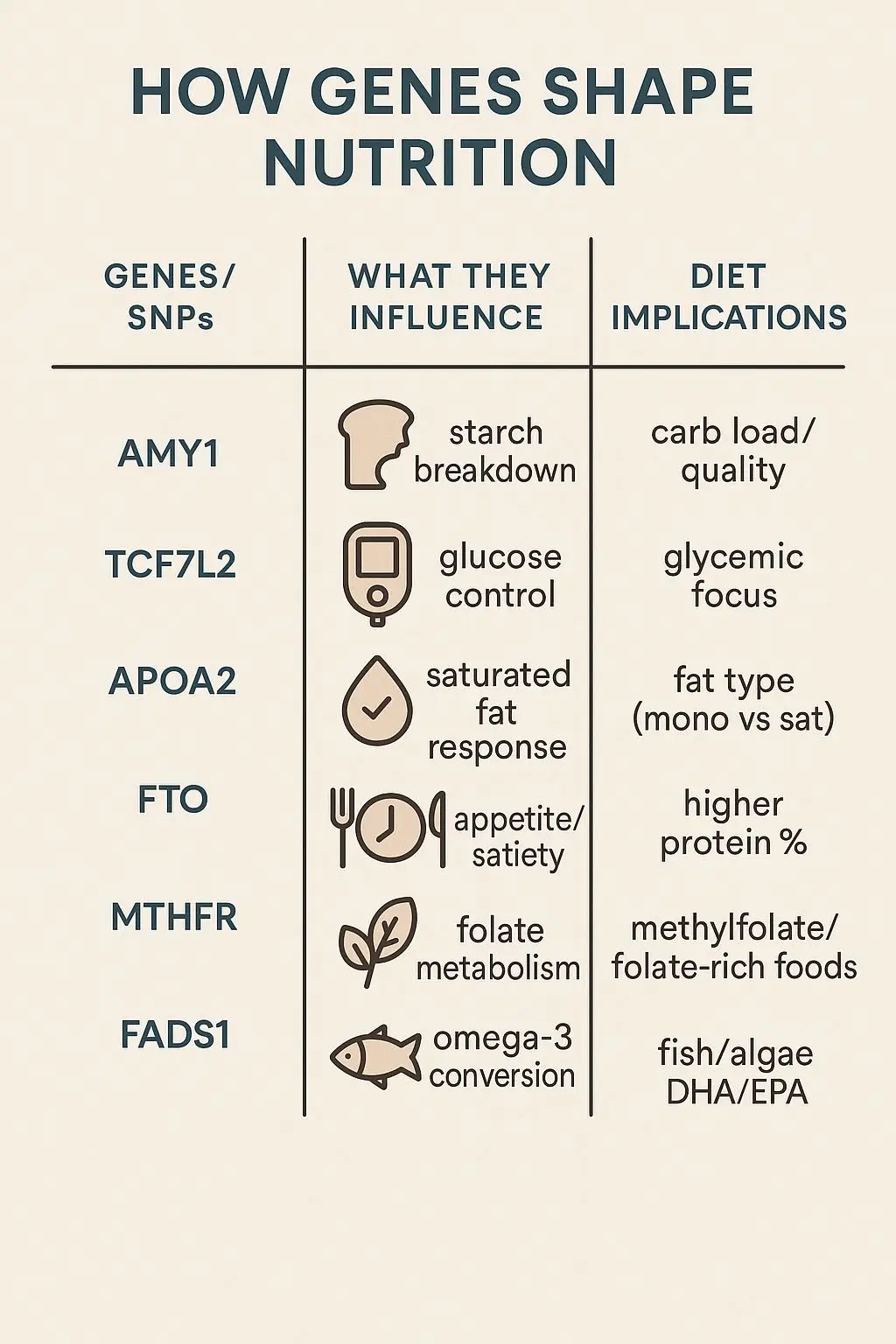
Nutrigenomics is the scientific field that examines the relationship between your genome, nutrition, and health. It’s the foundation of DNA-based meal planning and represents the intersection of nutritional science and genetics. This emerging field helps explain why individuals respond differently to the same foods and dietary patterns.
At its core, nutrigenomics identifies genetic variations called Single Nucleotide Polymorphisms (SNPs, pronounced “snips”) that influence how your body processes nutrients. These tiny variations can have significant impacts on your nutritional needs and responses to different foods. For example, variations in the MTHFR gene affect how effectively your body converts certain B vitamins into their active forms, potentially requiring adjusted intake levels or specific supplement forms.
Modern DNA testing can analyze hundreds of these SNPs simultaneously, creating a comprehensive picture of your genetic nutritional profile. The results can inform decisions about everything from macronutrient ratios to specific foods that might trigger inflammation in your unique system. For more insights, consider exploring the DNA Dietitian’s article on genetics and diet planning.
How DNA Affects Nutrient Processing
Your genetic makeup influences every step of nutrient metabolism, from digestion and absorption to utilization and excretion. For instance, some people have genetic variations that affect amylase production—an enzyme that breaks down carbohydrates. Lower amylase activity might mean you process starches less efficiently, potentially benefiting from a lower-carb approach. Similarly, variations in genes like APOA2 can affect how your body responds to saturated fats, potentially increasing risk factors when consuming high amounts.
Key Genetic Markers That Impact Nutrition
Several genetic markers are particularly significant when designing a personalized meal plan. The FTO gene, often called the “fat gene,” influences appetite regulation and energy expenditure. Variations in this gene may predispose some individuals to higher BMI and obesity risk, potentially requiring adjusted caloric intake strategies. The PPARG gene affects fat metabolism and storage, with certain variants responding better to monounsaturated fats like those found in olive oil and avocados. Additionally, the TCF7L2 gene impacts insulin production and glucose metabolism, making it crucial for understanding your optimal carbohydrate intake.
“Determining personalized dietary interventions is complex, requiring not only advanced knowledge in genetics but also additional information including family history and personal risk factors. The evidence suggests that personalized recommendations result in actual health benefits when properly implemented.” — Academy of Nutrition and Dietetics
Benefits of Personalized Nutrition Over Generic Diet Plans
Generic diet plans typically rely on averages and broad recommendations that may not address your unique biological needs. A DNA-based approach offers several distinct advantages over these one-size-fits-all solutions. First, it identifies specific nutritional requirements based on your genetic profile, helping eliminate nutritional imbalances that can lead to health issues. Second, it reveals food intolerances and sensitivities that might otherwise go undetected, allowing you to avoid foods that trigger negative reactions in your body.
Additionally, genetic meal plans can be tailored to work with your body’s natural tendencies rather than fighting against them. This alignment makes dietary changes more sustainable and effective long-term. Studies have shown that individuals are more likely to adhere to nutritional recommendations when they understand the genetic basis for those recommendations and experience improved results from following them.
Getting Started with Genetic Testing for Nutrition
Beginning your DNA-based nutrition journey involves selecting the right genetic test and understanding how to apply the results effectively. The process starts with choosing between various testing options, each offering different insights into your genetic makeup. While many direct-to-consumer tests provide basic information, comprehensive panels analyzed by nutrition professionals yield the most actionable results for meal planning.
The testing process is straightforward—typically involving a simple cheek swab or saliva sample that you mail to a laboratory. Within a few weeks, you’ll receive a detailed report of your genetic markers related to nutrition and metabolism. This report becomes the foundation for building your personalized meal plan, providing insights that generic diet plans simply cannot offer.
Types of DNA Tests Available for Diet Planning
Several types of genetic tests can inform your nutrition decisions, each with different scopes and applications. Basic nutrigenetic tests examine genes related to macronutrient metabolism, providing insights into how your body processes carbohydrates, fats, and proteins. More comprehensive panels include markers for micronutrient metabolism, detoxification pathways, and inflammatory responses to specific foods. The most advanced tests combine DNA analysis with other biomarkers such as blood work to create a more complete picture of your nutritional needs.
What to Look for in a Reliable Genetic Test
When selecting a genetic test, look for transparency about which specific genes are being analyzed and the scientific evidence supporting the dietary recommendations. Reputable companies will clearly explain the limitations of genetic testing and avoid making exaggerated claims about weight loss or disease prevention. The test should analyze at least 20-30 nutrition-related genetic markers to provide useful dietary guidance, and the company should maintain strict privacy policies regarding your genetic data.
Be wary of tests that make dramatic health claims or guarantee specific outcomes like weight loss. The Academy of Nutrition and Dietetics warns that direct-to-consumer genetic testing isn’t closely regulated, making it important to choose companies with scientific advisory boards and published research backing their methodologies.
How to Interpret Your Genetic Report
Genetic reports can be overwhelming, filled with scientific terminology and complex data points. The most valuable reports translate genetic information into practical dietary recommendations rather than simply listing genetic variants. Look for reports that categorize results into actionable areas like “carbohydrate sensitivity” or “vitamin D metabolism” rather than focusing solely on genetic markers like “RS9939609,” which require specialized knowledge to interpret.
Understanding that genetic factors are probabilities rather than certainties is crucial when reading your report. Your genes create predispositions and tendencies, but lifestyle factors like sleep, stress, and physical activity still play significant roles in how these genetic factors express themselves. This is why working with a dietitian trained in nutrigenomics can help bridge the gap between genetic data and practical meal planning.
Finding a Qualified Professional to Help
While some individuals successfully implement genetic dietary recommendations independently, working with a registered dietitian who specializes in nutrigenomics often yields better results. These professionals combine their nutrition expertise with an understanding of genetic factors to create truly personalized meal plans. They can help prioritize which genetic factors are most relevant to your specific health goals and create practical strategies for implementing changes.
When searching for a qualified professional, look for credentials such as RD (Registered Dietitian) or RDN (Registered Dietitian Nutritionist) along with specialized training in nutrigenomics or personalized nutrition. Ask about their experience interpreting genetic tests and their approach to creating meal plans based on genetic data. A qualified professional should be able to explain how specific genetic variations influence your nutritional needs in understandable terms.
Building Your DNA-Based Meal Plan
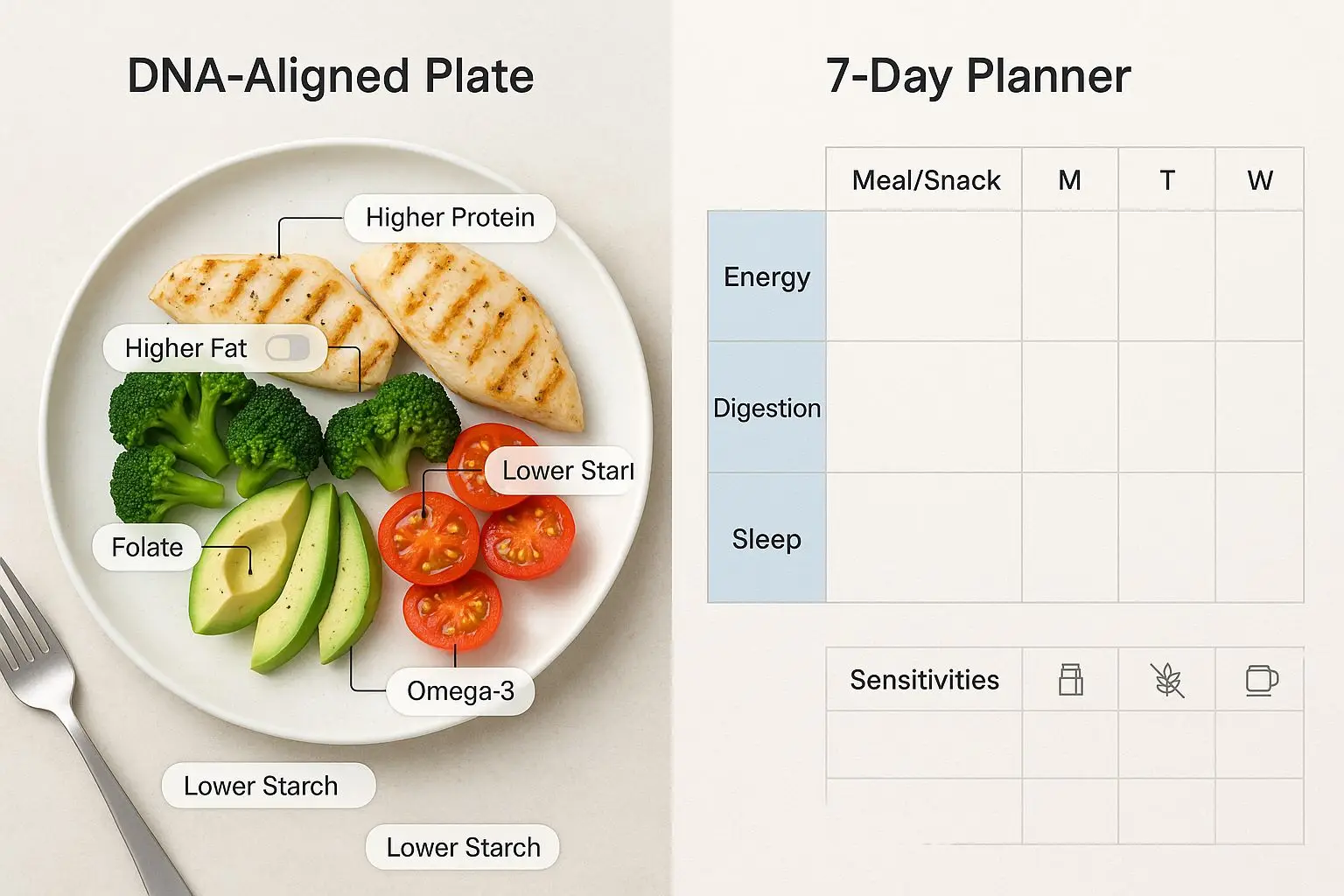
Creating a meal plan based on your genetic profile involves systematically translating genetic insights into daily food choices. This process requires understanding which genetic factors most significantly impact your nutritional needs and how to address them through specific food selections and eating patterns. The goal is to create a sustainable approach to eating that works with your genetic predispositions rather than against them.
Step 1: Identify Your Genetic Food Sensitivities
The first step in building your DNA-based meal plan is identifying foods that may trigger negative responses based on your genetic profile. Certain genetic variations can predispose you to sensitivities with gluten, lactose, caffeine, or alcohol, even if you don’t have full-blown allergies. For example, if your genetic test reveals variations in the HLA-DQ genes associated with gluten sensitivity, you might benefit from reducing gluten-containing grains even without celiac disease. Similarly, variations in the lactase (LCT) gene can indicate whether you’re likely to have difficulty digesting lactose, guiding decisions about dairy consumption.
Beyond these common sensitivities, your genetic profile might reveal less obvious reactions to compounds like histamine, salicylates, or FODMAPs that can cause inflammation or digestive issues in genetically susceptible individuals. Eliminating or reducing these trigger foods often results in noticeable improvements in energy, digestive comfort, and overall well-being within just a few weeks of implementation.
Step 2: Determine Your Optimal Macronutrient Ratio
Your genetic profile offers valuable insights into your ideal balance of carbohydrates, proteins, and fats. Variations in genes like PPARG, TCF7L2, and FTO influence how efficiently your body processes different macronutrients and can guide your optimal ratio. For instance, if you have certain variants of the ADRB2 gene, you may respond better to a diet higher in protein and lower in carbohydrates for weight management. Conversely, those with different genetic profiles might thrive with moderate carbohydrate intake from whole food sources.
Step 3: Choose Foods That Match Your Genetic Profile
With sensitivities identified and macronutrient ratios established, the next step involves selecting specific foods that optimize your genetic potential. This means focusing on foods rich in nutrients your body may need in higher amounts based on your genetic profile. For example, if you have the MTHFR gene variation that affects folate metabolism, you might benefit from increasing consumption of leafy greens, legumes, and other folate-rich foods. Similarly, variations in the BCMO1 gene can affect conversion of beta-carotene to vitamin A, potentially requiring direct sources of preformed vitamin A from foods like liver or egg yolks.
Step 4: Create a Sustainable Eating Schedule
Your genes don’t just influence what you eat but also when you should eat. Genetic variations in circadian rhythm genes like CLOCK and PER1 can affect your body’s natural meal timing preferences and fasting tolerance. Some people genetically respond better to intermittent fasting patterns, while others maintain steadier energy with more frequent, smaller meals throughout the day. By aligning your eating schedule with your genetic tendencies, you can optimize energy levels and metabolic function.
The goal is creating a sustainable routine that works with your lifestyle while honoring your genetic predispositions. This might mean front-loading calories earlier in the day if you have genes associated with poorer glucose control in the evening, or spacing protein intake throughout the day if your genes indicate you process protein more efficiently in smaller, frequent doses. To better understand your genetic influences, you might explore the top genes that impact your wellness journey.
Step 5: Monitor and Adjust Your Plan
Genetics provides a powerful starting point, but the most effective DNA-based meal plans incorporate ongoing monitoring and adjustments. Keep a food journal, noting not just what you eat but how you feel afterward—energy levels, digestive comfort, mental clarity, and hunger patterns can all provide valuable feedback about how well your genetic meal plan is working. Use objective measures like sleep quality, physical performance metrics, and relevant blood work to track progress alongside subjective improvements.
Remember that genes represent predispositions, not destiny. If certain aspects of your genetically aligned diet don’t seem to work for you in practice, be willing to make adjustments. The ultimate goal is finding the approach that helps you feel and function at your best, which may require some personalization beyond what genetic testing alone suggests.
Common Genetic Variations and Diet Recommendations
Understanding specific genetic variations can help tailor your nutrition with remarkable precision. Let’s examine some of the most influential genes affecting your nutritional needs and the dietary adjustments they might suggest. These recommendations provide a starting framework that can be refined based on your personal response and health goals. For more insights, you can explore diet plans based on genetics that offer personalized nutrition advice.
Carbohydrate Metabolism Genes
The TCF7L2 gene significantly influences how your body processes carbohydrates and maintains blood glucose levels. If you carry certain variants of this gene, you may have increased sensitivity to carbohydrates, requiring a more careful approach to carb consumption. People with these variations often benefit from focusing on low-glycemic carbohydrates like legumes, whole grains, and most vegetables while limiting refined carbohydrates and added sugars.
The AMY1 gene determines how many copies of the amylase enzyme you produce, which directly affects your ability to break down starches. Higher copy numbers generally indicate better starch metabolism, potentially allowing for more flexibility with starchy foods. Those with lower copy numbers might benefit from moderating intake of starchy foods like potatoes, rice, and bread, focusing instead on proteins, healthy fats, and non-starchy vegetables.
Fat Processing Genes
APOA2 is one of several genes that affect how your body responds to dietary fat, particularly saturated fat. Certain variants of this gene are associated with higher BMI and obesity risk when consuming high amounts of saturated fat. If you carry these variants, emphasizing unsaturated fats from sources like olive oil, avocados, and nuts while limiting saturated fats from animal products may be beneficial for weight management.
The FADS1 gene influences how efficiently your body converts plant-based omega-3 fatty acids (like those found in flaxseeds and walnuts) into the active forms DHA and EPA. If your genetic profile indicates poor conversion, you might need to consume more direct sources of DHA and EPA through fatty fish or algae supplements rather than relying solely on plant sources.
Protein Utilization Genes
FTO is often called the “obesity gene” because certain variations are associated with increased BMI, but its effects can be modified through diet. Research suggests that people with specific FTO variants may benefit from higher protein intake (around 25-30% of calories), which helps promote satiety and maintain lean muscle mass. Focusing on high-quality protein sources like lean meats, fish, legumes, and dairy can be particularly important for these individuals.
Meal Plan for Optimal Protein Utilization
For those with genetic variants suggesting enhanced benefit from higher protein intake, structuring meals to prioritize protein can make a significant difference in energy, body composition, and satiety. A typical day might start with eggs and Greek yogurt for breakfast, include a lunch featuring chicken or fish with abundant vegetables, and incorporate protein-rich snacks like cottage cheese or protein smoothies between meals. Dinner could center around lean protein sources paired with complex carbohydrates and healthy fats, with attention to distributing protein intake relatively evenly throughout the day for optimal muscle protein synthesis.
Common Challenges When Following a DNA-Based Diet
While genetic meal plans offer unprecedented personalization, they come with unique challenges that can affect adherence and success. Understanding these challenges in advance helps prepare for them and develop strategies to maintain your genetic eating plan long-term. The most successful approaches acknowledge both biological realities and practical lifestyle considerations.
One common obstacle is information overwhelm—genetic reports often contain complex scientific terminology and numerous recommendations that can feel impossible to implement all at once. Breaking down genetic insights into manageable steps and prioritizing changes based on your most significant genetic factors can make the process more approachable. Starting with one or two key genetic insights and building from there often leads to better long-term adherence than attempting a complete dietary overhaul.
Managing Food Preferences vs. Genetic Recommendations
Perhaps the most personal challenge involves reconciling genetic recommendations with established food preferences and emotional relationships with food. If your genetic profile suggests limiting foods you particularly enjoy, finding satisfying alternatives becomes crucial for sustainable implementation. Rather than viewing genetic insights as restrictive, approach them as an opportunity to discover new foods and preparation methods that work better with your biology while still providing pleasure and satisfaction. For a deeper understanding of how your genes influence your dietary needs, explore how your genes influence your health.
Adapting to Family Meals and Social Situations
Family meals, social gatherings, and dining out present practical challenges when following a genetically-tailored eating plan. Communicating your needs without making others uncomfortable requires tact and planning. Consider preparing and bringing dishes that work with your genetic profile to share at gatherings, researching restaurant menus in advance to identify suitable options, and focusing on the social aspects of meals rather than just the food being served.
For family meals, gradually introducing genetically suitable foods that everyone can enjoy helps create sustainable patterns rather than preparing separate meals. Finding creative ways to modify family favorites to better align with your genetic profile can maintain mealtime harmony while honoring your nutritional needs.
Tracking Progress Effectively
Measuring success with a genetic meal plan requires looking beyond the scale to more comprehensive markers of health and well-being. While weight changes may occur, equally important are improvements in energy levels, sleep quality, digestive comfort, mental clarity, and objective health markers like blood pressure or inflammatory markers. Create a personalized tracking system that captures both objective and subjective measures relevant to your specific health goals and genetic profile.
- Keep a weekly journal noting energy levels, sleep quality, and mood patterns
- Track physical performance metrics if fitness is a goal (strength, endurance, recovery)
- Monitor relevant biomarkers through periodic blood work (lipids, glucose, inflammatory markers)
- Note changes in skin health, digestive comfort, and other quality-of-life indicators
- Periodically reassess body composition rather than focusing solely on weight
Patience is essential when evaluating genetic meal plan results. While some benefits like improved energy or reduced digestive symptoms may appear within weeks, other changes like significant shifts in body composition or inflammatory markers might take months to fully manifest. Commit to following your genetically-aligned plan for at least 3-6 months before making major adjustments, allowing sufficient time for your body to adapt and respond.
Regular consultation with nutrition professionals trained in nutrigenomics can help interpret your progress and refine your approach based on both genetic data and your lived experience. They can help distinguish between normal adaptation periods and signs that your plan needs adjustment, ensuring your genetic meal plan evolves with your changing health needs and goals.
Remember that genetics represent predispositions and tendencies, not absolute determinism. Your experience implementing recommendations provides valuable feedback that should inform ongoing refinements to your personalized nutrition approach. The most successful genetic meal plans balance scientific insights with personal experience and practical considerations.
The Future of Personalized Nutrition
The field of nutrigenomics is evolving rapidly, with research continuously uncovering new connections between genetic variations and nutritional needs. Future advances will likely include more precise testing methods, expanded understanding of gene-nutrient interactions, and increasingly sophisticated algorithms for translating genetic data into practical meal plans. We’re moving toward a future where nutrition recommendations might be updated in real-time based on factors like sleep quality, stress levels, and physical activity, alongside genetic predispositions, creating truly dynamic personalized nutrition systems that adapt to your changing body.
Frequently Asked Questions
As genetic meal planning becomes more mainstream, certain questions consistently arise from people considering this approach. The following responses address common concerns and misconceptions about DNA-based nutrition, helping you make informed decisions about whether and how to implement this approach.
How accurate are DNA tests for nutrition recommendations?
DNA tests provide valuable insights into genetic predispositions, but their accuracy for specific nutrition recommendations varies based on the genes being analyzed and the quality of the research behind them. The most reliable tests focus on well-studied genetic variations with established nutritional implications, such as those affecting lactose tolerance, gluten sensitivity, and macronutrient metabolism. These tests can identify genetic tendencies with approximately 95-99% accuracy for the specific markers tested. For more information on understanding these genetic variations, visit Understanding Genetic Variants.
However, accuracy of the recommendations derived from these genetic markers depends on both the quality of the scientific evidence linking genes to nutritional factors and how comprehensively the test covers relevant genes. The most reputable companies update their recommendations as new research emerges and acknowledge limitations in current understanding. Remember that genetic factors are just one aspect of nutritional needs—environmental factors, existing health conditions, and personal goals all play important roles in determining your optimal nutrition plan.
How much does genetic testing for nutrition typically cost?
Genetic testing for nutrition typically ranges from $100 for basic direct-to-consumer tests to $300-500 for more comprehensive panels that include professional interpretation. More specialized tests that combine genetic analysis with other biomarkers or include ongoing professional support may cost $1,000 or more. Many health insurance plans don’t currently cover nutrigenetic testing unless medically necessary, though this is gradually changing as evidence for its benefits grows.
Can my DNA-based diet plan change over time?
While your genetic code doesn’t change, your optimal diet plan may evolve based on age, health status, activity levels, and goals. Additionally, as the science of nutrigenomics advances, interpretations of genetic data may become more refined, leading to updated recommendations. The most effective approach treats your genetic profile as a foundation that informs but doesn’t exclusively determine your nutritional needs, allowing for adjustments based on how your body responds and changes over time.
Do I need to follow my genetic diet plan 100% of the time?
Most nutrition experts recommend an 80/20 approach to genetic eating plans—following genetic recommendations about 80% of the time while allowing flexibility for special occasions, travel, and personal preferences, the remaining 20%. This balanced approach promotes sustainability while still capturing most benefits of genetically aligned eating. Some genetic factors may require stricter adherence (such as eliminating gluten for those with strong genetic predispositions to gluten sensitivity), while others allow more flexibility without significant consequences.
Can children benefit from DNA-based nutrition plans?
While genetic testing can identify nutritional predispositions in children, implementation requires careful consideration of growth and developmental needs. Genetic insights can be particularly valuable for identifying potential food sensitivities or nutrient metabolism issues in children with unexplained symptoms. For a deeper understanding of how genetic variants impact nutrition, it’s important to consult experts. However, overly restrictive approaches should be avoided, and any genetic nutrition plan for children should be developed and monitored by healthcare professionals with pediatric nutrition expertise to ensure appropriate nutrition for growth and development.
Understanding your genetic profile provides powerful insights that can transform your relationship with food and optimize your health from the inside out. By aligning your nutrition with your genetic predispositions, you can address the root causes of many dietary challenges rather than just managing symptoms. The science of nutrigenomics continues to evolve, offering increasingly precise guidance for personalized nutrition.
Unlock your DNA, upgrade your diet
Turn your genetic report into a real-world meal plan. Zenith Vital Wellness blends nutrigenomics with practical coaching—so you get clear macros, micronutrient targets, and a weekly menu that fits your life (not someone else’s). Get your DNA-based plan –>>