 1.855.305.2430

What’s the Difference Between Cheap and Expensive Vitamins? Leave a comment
Summary
- Often, the price differences between vitamins reflect marketing costs and packaging rather than nutritional superiority
- High-quality vitamins typically contain active forms of nutrients with better bioavailability than their cheaper counterparts
- Third-party testing and certification marks are more reliable indicators of quality than price alone
- Some inexpensive vitamins can provide adequate nutrition if they contain proper dosages and minimal fillers
- Certain specialized supplements, like methylated B vitamins and fat-soluble vitamins, may be worth the higher investment for better absorption
When you’re comparing two bottles of vitamins with drastically different price tags, it’s natural to wonder if the expensive one actually offers more benefits or if you’re just paying for fancy marketing. The truth might surprise you – in many cases, the difference has little to do with nutritional value.
The vitamin and supplement industry is a multi-billion dollar business. Prices for vitamins and supplements can range from a few dollars to ten times that amount for premium options. Knowing what really matters can help you make informed decisions about your health without breaking the bank.
Although the cost of a product isn’t always an indicator of its quality, there are indeed certain elements that set excellent supplements apart from their less effective counterparts. We’re going to delve into what truly makes up these price disparities and assist you in figuring out when it’s beneficial to spend more money, and when it’s completely okay to go with a more wallet-friendly choice.
Why Do Vitamins Cost More? It’s Not Just About the Nutritional Value
Before we delve into the true quality differences, it’s crucial to note that there are several reasons why vitamin prices are higher that have nothing to do with nutritional value. The supplement industry is a highly competitive market where branding and perception often have a bigger impact on pricing strategies than the actual cost of the ingredients. For instance, exploring how genes affect nutrient processing can also influence consumer choices and perceptions about vitamin efficacy.
The Cost of Celebrity Endorsements and Marketing
Ever wondered why the vitamins endorsed by your favorite celebrity are so expensive? A large chunk of the cost of these vitamins is used to cover the expenses of marketing and endorsement deals. Big supplement companies spend millions on advertising on television, social media, and print – and these costs are eventually passed on to you, the consumer.
Renowned brands often have higher price tags due to their reputation. Although a well-known brand can suggest dependability and consistency, it doesn’t always mean they offer better nutritional value than less popular brands that prioritize high-quality ingredients over advertising.
Alluring Packaging and Display
Those attractive, Instagram-ready containers with clean designs and high-quality finishes aren’t just visually appealing – they’re costly to manufacture. Luxurious packaging with unique coatings, custom forms, and high-end materials greatly raises production expenses.
Top-tier brands spend money on fancy boxes, UV-shielded glass containers, and specific moisture-control systems. While good packaging is important in maintaining the strength of the vitamin, many inexpensive options use packaging that is perfectly sufficient in keeping the product safe without the high price.
“Many consumers assume expensive vitamins must be better, but about 75% of the price difference often comes from marketing, packaging, and distribution costs rather than ingredient quality differences.” – Dr. Sherry Rogers, environmental medicine specialist
Raw Ingredient Quality and Sourcing
Here’s where meaningful differences begin to emerge. Premium vitamins often source higher-quality raw ingredients from reputable suppliers. This includes using naturally derived compounds versus synthetic alternatives, wild-harvested botanicals instead of mass-produced ingredients, and sourcing materials from regions known for optimal growing conditions. For those interested in how genetics can play a role in dietary choices, consider exploring creating a meal plan based on your genes.
Brands of a higher quality usually spend a lot of time and money to vet their suppliers and are often willing to pay more for ingredients that meet certain standards for purity, potency, and sustainability. These sourcing practices have a big impact on both how effective the final product is and how much it costs, showing one area where spending more money can potentially give you real benefits.
4 Key Differences Between Low-Cost and High-End Vitamins
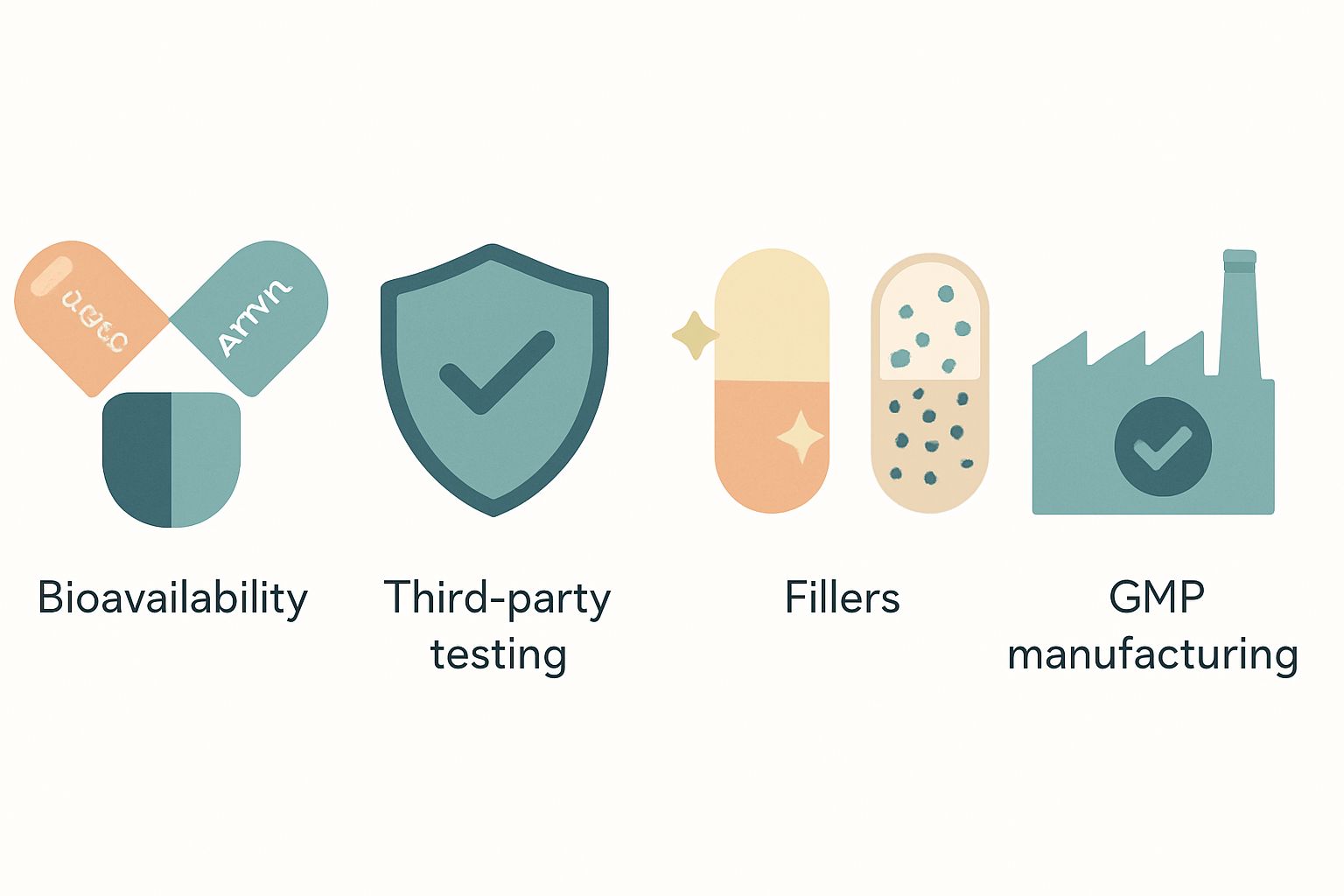
Although marketing definitely plays a role in the price of vitamins, there are several real differences in quality that set high-end products apart from their low-cost counterparts. Knowing what these factors are can help you make a smart decision about when to splurge and when a cheaper alternative will do the trick.
Understanding the Role of Form and Bioavailability in Vitamin Absorption
The most important difference between high-quality and low-quality vitamins is bioavailability. This is how effectively your body can absorb and use the nutrients. Less expensive vitamins often contain forms of nutrients that are less bioavailable. This means your body has to convert them before they can be used, which leads to lower absorption rates. For example, many cheap B vitamin supplements use folic acid instead of methylfolate, cyanocobalamin instead of methylcobalamin, and pyridoxine HCl instead of pyridoxal-5-phosphate. All of these are less active forms that require additional conversion steps in your body.
How Your Body Processes Vitamins: Form and Bioavailability
The most important difference between different types of vitamins is bioavailability, or how well your body can absorb and use the nutrients. Vitamins that are less expensive often have less bioavailable forms of nutrients, which your body has to convert before it can use them, so they are absorbed at a lower rate. For example, many cheap B vitamin supplements have folic acid instead of methylfolate, cyanocobalamin instead of methylcobalamin, and pyridoxine HCl instead of pyridoxal-5-phosphate. These are all less active forms that require more steps to convert in your body.
High-end supplements usually have nutrients in the forms that are easiest for your body to use. This is great for people who have certain genes that change the way their bodies process nutrients. These active forms of nutrients can cost a lot more to get and to make. But they might work better, especially for people who have trouble absorbing nutrients or who have certain health conditions.
Quality Assurance and External Verification
Trustworthy vitamin companies spend a lot of money on stringent testing at every stage of production to guarantee the strength, purity, and safety of their products. They test the raw materials for any impurities and the final products to make sure they contain what the label says. These quality assurance procedures significantly increase the price, but they also make sure you get what you pay for.
Many high-end supplement companies hire independent labs to check their products, adding another level of responsibility. Cheaper brands may only do the bare minimum of testing required by law, which could lead to inconsistent quality or incorrect labels. Independent testing has even shown that some bargain vitamins have much less of the key nutrients they claim to have or have ingredients they didn’t list.
Unnecessary Ingredients and Additives
When you look at the “other ingredients” section on the label of any vitamin, you’ll see that it contains more than just the nutrients you’re looking for. Cheaper supplements often contain more fillers, binders, and artificial additives such as colors, flavors, and preservatives. These compounds are used to reduce manufacturing costs, extend shelf life, and make the product look more appealing.
High-end vitamins usually cut out needless additives and may incorporate superior inactive ingredients. They are more prone to be devoid of typical allergens such as gluten, dairy, soy, and artificial colors. For people with sensitivities or those who favor cleaner formulations, this difference alone can validate the steeper price of superior supplements.
How Manufacturing Standards and Cleanliness Affect Vitamins
The way vitamins are made can greatly affect both their quality and cost. The best supplement companies follow Good Manufacturing Practices (GMP) and often go beyond these standards with extra quality protocols. Some even use special manufacturing environments like clean rooms, temperature-controlled facilities, and high-tech equipment to lessen the chance of contamination.
Companies that produce higher-end vitamins often adhere to stricter environmental and ethical standards during production. These standards may include sustainable sourcing practices, lessening environmental impact, fair labor practices, and cruelty-free testing policies. While these commitments reflect the values of the company rather than providing direct nutritional benefits, they do represent real costs that help to explain the price differences between budget and premium options.
Identifying Quality Vitamins (No Matter the Cost)
While there is a large spectrum of vitamin prices, you don’t have to break the bank to get quality supplements. Rather, being able to assess products based on particular quality indicators can aid you in making more informed decisions, no matter the price. Some reasonably priced vitamins provide great value, whereas some costly options may not warrant their high price tag. To understand more about how your genetic makeup can influence your choice of vitamins, explore the top genes that impact your wellness journey.
What’s important is understanding what’s essential for your health and not being swayed by marketing gimmicks. Here are some practical tips to help you find high-quality supplements at any price range.
Check the Ingredients
When you’re shopping for vitamins, the first thing you should do is read the ingredient list. You want to find a supplement that lists each vitamin or mineral in its specific form, such as “magnesium glycinate” instead of just “magnesium.” This kind of transparency shows you exactly what you’re putting in your body and usually means the company has paid attention to bioavailability.
Check out the “other ingredients” section too, where manufacturers list inactive ingredients like fillers, binders, and flow agents. A shorter list of ingredients usually means a cleaner formula. Be especially cautious of artificial colors (like Red #40 or Yellow #6), hydrogenated oils, titanium dioxide, sodium benzoate, and artificial sweeteners like sucralose or aspartame, which are often found in cheaper supplements.
Check for These Certification Seals
Third-party certification gives you peace of mind that the supplements you’re buying contain what they say they do and meet certain quality standards. Look for seals from organizations like NSF International, USP (United States Pharmacopeia), or ConsumerLab.com. These seals mean the product has been independently tested to make sure it is what it says it is, that it’s pure, that it’s potent, and that it’s high quality.
Ensure Adequate Dosages
Good quality supplements will have a therapeutic dose of the active ingredients, rather than just a sprinkle of the more expensive ingredients to allow them to be listed on the label. Check the amount of nutrients against the recommended daily allowance, but remember that some conditions may need different doses than the average person.
- Vitamin D: Look for D3 (cholecalciferol) rather than D2 (ergocalciferol) in amounts between 1,000-5,000 IU
- Magnesium: Seek chelated forms (glycinate, malate, taurate) rather than oxide, with at least 100-300mg per serving
- B Vitamins: Check for active forms like methylfolate (B9), methylcobalamin (B12), and P5P (B6)
- Calcium: Look for calcium citrate rather than calcium carbonate in amounts of 500mg or less per serving
- Vitamin C: Buffered or liposomal forms are typically more gentle and better absorbed
Be suspicious of proprietary blends that don’t disclose the amount of each ingredient. This practice can mask inadequate dosages of key components while emphasizing cheaper fillers. Quality manufacturers typically disclose exact amounts of each active ingredient, demonstrating confidence in their formulations.
Investigate the Manufacturer
- Look for GMP certification and FDA registration
- Investigate the company’s history and reputation in the industry
- Find out if they are transparent about sourcing and production practices
- Look into their quality control measures and testing protocols
- Consider their longevity in the business (stability often indicates reliability)
Reliable companies are usually transparent about their manufacturing processes and quality control measures. They often provide detailed information about ingredient sourcing, testing protocols, and production standards on their websites or when contacted directly. Brands that readily share this information demonstrate confidence in their products and commitment to consumer education.
Big companies may have more money to spend on quality control, but that doesn’t mean you should ignore smaller manufacturers. Often, these smaller companies make up for what they lack in resources with specialized knowledge and a careful eye for detail. Some small supplement companies make excellent products with formulations that are designed to address specific health needs. These products can often be more effective than the generic, one-size-fits-all options that you might find from a major brand.
Keep in mind that even well-known brands can manufacture both high-end and affordable lines with different quality levels. Always assess each product instead of just depending on the brand’s reputation.

Which Vitamins Are Worth Spending More On?
Quality is key when it comes to vitamins, but some supplements show a bigger difference between the cheap versions and the more expensive ones. Knowing this can help you decide where to splurge on the good stuff and where you can get away with the bargain brand. For more insights, check out whether expensive vitamins are better than cheap ones.
Vitamins that are Fat-Soluble (A, D, E, K)
There are special considerations for fat-soluble vitamins because they are stored in the body’s tissues and not excreted as quickly as water-soluble vitamins. Their absorption is heavily dependent on the presence of dietary fat and proper formulation. For these nutrients, quality is particularly important because poor absorption means you’re not getting the benefits, while excess accumulation (particularly with vitamins A and D) can potentially cause toxicity.
High-quality fat-soluble vitamins are often created in a way that makes it easier for your body to absorb and use them. For instance, a good vitamin D3 supplement might have MCT oil or other fats added to it to help your body absorb the vitamin. A top-notch vitamin E supplement will have mixed tocopherols instead of just alpha-tocopherol. The way these vitamins are formulated can greatly affect how well they work and how safe they are, which makes it especially important to choose high-quality vitamins in this category.
Which Vitamins Are Okay to Purchase on a Budget?
Not every supplement necessitates a high price tag to offer the proper nutrients. For basic vitamins such as vitamin C, the majority of B vitamins, and standard multivitamins, budget-friendly choices often provide adequate nutrients for the typical individual. These nutrients are typically well-studied, widely available in standardized forms, and have established manufacturing procedures that make quality production more cost-effective. Look for simple vitamins from trustworthy manufacturers that adhere to good manufacturing practices and have clean ingredient lists.
5 Vitamins That Are Worth The Extra Cost
Even though not all vitamins need to be high-priced, there are some nutrients and mixtures that truly benefit from high-quality production and ingredients. These categories usually show notable performance differences between inexpensive and high-priced options, making them worth the extra cost for those seeking the best results.
People with MTHFR gene variations, which affect folate metabolism and are estimated to be found in 30-40% of people, may find methylated B vitamins to be particularly beneficial. These people often have difficulty converting folic acid, which is common in cheap vitamins, into its active form, and may see significant benefits from using methylfolate instead. Methylated B12 (methylcobalamin) and active B6 (P5P) also offer similar benefits, as they bypass conversion steps in the body. For more insights, you can explore how genes affect nutrient processing.
The quality of fish oil can differ significantly based on its price, with noticeable differences in its purity, freshness, and concentration of EPA/DHA. High-end fish oils are molecularly distilled to get rid of contaminants like mercury and PCBs, contain a higher concentration of beneficial omega-3 fatty acids, and include antioxidants to prevent them from becoming rancid. The difference between high-quality and low-quality fish oil can be as extreme as comparing medicine to something that is harmful to your health due to the potential damage from oxidized oils.
Probiotics are another area where quality directly affects performance. Cheaper probiotics often have fewer strains, lower colony-forming units (CFUs), and lack the specialized delivery systems needed to withstand stomach acid. More expensive versions usually include acid-resistant capsules, delayed-release technology, or specialized coatings that ensure the beneficial bacteria actually reach your intestines alive and viable.
- Methylated B vitamins (methylfolate, methylcobalamin, P5P)
- Fish oil and omega-3 supplements
- Probiotics with multiple strains and delivery systems
- Fat-soluble vitamins (especially D3, K2)
- Herbal extracts that require standardization (turmeric, milk thistle, etc.)
Best Budget-Friendly Brands That Don’t Sacrifice Quality
Several reputable manufacturers produce reasonably priced supplements without compromising on essential quality factors. Brands like NOW Foods, Nature’s Way, Jarrow Formulas, and Life Extension offer science-backed formulations at moderate price points while maintaining rigorous testing standards. These companies often achieve cost savings through efficient operations and minimal marketing rather than cutting corners on ingredients or manufacturing. Many operate their own production facilities with in-house quality control testing, allowing them to maintain standards while keeping prices reasonable. For those interested in how genetic factors might affect nutrient processing, exploring nutrigenomics could provide valuable insights.
Over the past few years, store brands from retailers such as Costco (Kirkland Signature), Whole Foods (365), and even Amazon (Amazon Elements) have seen a significant improvement in quality. Many of these brands now work with the same manufacturers as premium brands and follow similar testing procedures. However, they are able to offer much lower prices due to their large distribution networks and buying power. Always look for USP or NSF certification on store brands to ensure that they are of high quality. For more insights, check out this comparison between cheap and expensive vitamins.
Don’t Fall for Fancy Packaging – Your Body Deserves the Best
Remember, the cost of vitamins doesn’t necessarily reflect their quality. The key is to be an informed consumer. Quality supplements are available at a variety of price points. Instead of using price as your primary indicator of quality, pay attention to clear labeling, the right nutrient forms, third-party testing, and clean formulations. These factors are more reliable indicators of a supplement’s true value to your health than the price tag. For a deeper understanding of how your genes can affect nutrient processing, check out our article on nutrigenomics.
Keep in mind that even the best supplements can’t make up for a poor diet and unhealthy lifestyle choices. The best strategy is to combine nutrient-rich whole foods, healthy habits, and carefully chosen supplements that meet your specific needs. When you do choose supplements, prioritize quality where it matters most for your individual health concerns, and feel confident selecting more affordable options when appropriate. The Supplements Sage helps consumers navigate these choices with evidence-based information on supplement quality that goes beyond marketing claims. For those interested in how genetics can influence nutrient processing, exploring nutrigenomics might provide additional insights.
Common Questions
As a nutritionist who has spent a lot of time looking into the quality of supplements, I often get asked about the real differences between cheap and expensive vitamins. Here are some answers based on evidence to the most common questions to help you make an informed decision when buying supplements. If you’re curious about how your genes might affect nutrient processing, you might find this article on nutrigenomics interesting.
“The supplement industry is governed by fewer regulations than the pharmaceutical industry, which means there’s more room for innovation but also more risk for consumers who need to be more cautious about the quality of the products they’re buying,” says Dr. Jeffrey Blumberg, a professor of nutrition science and policy at Tufts University.
The lax regulatory environment is part of the reason why there’s such a big difference in quality between different supplement brands. Unlike prescription drugs, supplements don’t need to be approved by the FDA before they can be sold. Instead, it’s up to the manufacturer to make sure their products are safe and accurately labeled, and the FDA usually only steps in if there’s a problem.
Given the limited oversight, third-party testing becomes a crucial factor for supplements. Organizations such as USP, NSF International, and ConsumerLab offer these services, providing customers with increased trust in products that have received their certification.
Are pricey vitamins absorbed better?
Not always. Even though high-end vitamins often have more bioavailable forms, the price tag doesn’t automatically mean they’re absorbed better. A lot of reasonably priced vitamins use forms that are just as effective but cut costs on packaging, marketing, or distribution. The most important thing is the specific form of each nutrient (like methylcobalamin vs. cyanocobalamin for B12) rather than the overall cost of the vitamin. Some cheap vitamin C supplements, for instance, have the same ascorbic acid as the high-end ones and are absorbed the same way by the body.
Regardless of the cost, to get the most out of your vitamins, take fat-soluble vitamins (A, D, E, K) with a meal that includes healthy fats. Consider liposomal or micellized forms for difficult to absorb nutrients, and look for products that contain absorption enhancers like BioPerine (black pepper extract) when it makes sense. These strategies can make even reasonably priced supplements more effective.
Are cheap vitamins bad for my health?
Cheap vitamins aren’t necessarily bad for you, but lower-quality supplements might have questionable ingredients or poor quality controls. The main worries are possible contaminants (like heavy metals, microbes, or toxins), incorrect dosing, and artificial additives that some people might have a bad reaction to. For safety, don’t go for the cheapest options, stick to well-known brands, and look for signs of quality testing even on budget-friendly products.
What is the shelf life of good quality vitamins?
Typically, well-made and correctly stored vitamins will stay good for 2-3 years from the date they were made, but this can change depending on the type of nutrient. Water-soluble vitamins such as C and B complex usually break down faster than fat-soluble vitamins like A, D, and E. Good quality manufacturers will perform stability tests to find out the real expiration dates based on the actual rates of breakdown, instead of just guessing. To understand more about how your genes affect nutrient processing, you can explore nutrigenomics.
|
Vitamin Type |
Typical Shelf Life |
Signs of Degradation |
|---|---|---|
|
Water-soluble (B, C) |
1-2 years |
Discoloration, unusual odor |
|
Fat-soluble (A, D, E, K) |
2-3 years |
Rancid smell, softening |
|
Probiotics |
1-2 years (refrigerated) |
Potency loss not visibly apparent |
|
Fish Oil |
1-2 years |
Strong fishy smell, cloudiness |
Proper storage significantly impacts vitamin stability. Keep supplements in cool, dry places away from direct sunlight and heat sources. Refrigeration benefits certain supplements like probiotics, fish oils, and liquid formulations but isn’t necessary for most tablets and capsules. Always replace the lid tightly after use to minimize exposure to air and moisture, which accelerate degradation.
Even if they haven’t reached their expiration date, if your vitamins have visible signs of deterioration – such as discoloration, unusual odor, sticking together, or crumbling – they’ve likely lost potency. It’s better to replace them rather than consuming potentially degraded products if you’re unsure. For more information on how genetics can affect your health, check out this article on genes that impact your wellness journey.
Are vitamin subscriptions worth the extra money?
Personalized vitamin subscriptions offer a convenient way to get your vitamins, but they often come with a high price tag. Some of these services provide a truly personalized experience, using blood tests or in-depth health questionnaires to determine what vitamins you need. Others, however, use basic information to recommend generic vitamins. Whether or not a vitamin subscription is worth the cost depends on your individual needs, your budget, and how much you value the convenience of having your vitamins delivered to your door. If you have complex health needs or have trouble remembering to buy more vitamins, the extra cost might be worth it. But if you just need basic vitamins, you can usually find them for less at a regular store.
Is it better to take natural or synthetic vitamins?
The choice between synthetic and natural vitamins is not as clear-cut as marketing campaigns might lead you to believe. Many vitamins labeled as “natural” are actually heavily synthesized or processed, while some synthetic vitamins have excellent bioavailability. Rather than a simple natural/synthetic distinction, what’s more important is the specific form of each nutrient and how well it’s absorbed. For instance, synthetic vitamin E (dl-alpha-tocopherol) has much lower biological activity than natural mixed tocopherols, while synthetic vitamin C (ascorbic acid) is chemically the same as and absorbed in the same way as vitamin C derived from natural sources.
When considering claims about “whole food” or “food-based” vitamins, don’t just listen to the marketing lingo. Instead, check out the actual forms of the vitamins listed on the Supplement Facts panel. Many products that are marketed as “natural” or “whole food” actually have a lot of the same synthesized nutrients that you find in conventional supplements. These nutrients are often mixed with food concentrates or extracts. The best approach is to combine forms of nutrients that are known to be well-absorbed with as few unnecessary additives as possible. It doesn’t matter whether these nutrients are classified as “natural” or “synthetic.”
Quit guessing which bottles are worth the price and which are just expensive marketing; it’s time to let the science guide your supplement shelf. Get clear, evidence-based guidance on nutrient forms, dosages, and brands that actually match your body’s needs at zenithvital.com so you can invest in vitamins that truly deliver, not just cost more.