 1.855.305.2430

The Complete Guide to DNA-Based Nutrition Leave a comment
Key Points to Remember
- DNA-based nutrition is a groundbreaking approach that moves away from generic diets, providing food recommendations based on your specific genetic profile for the best results
- Your genes play a significant role in how you metabolize macronutrients, absorb vitamins, and react to different foods, which explains why some diets work for others but not for you
- Nutrigenomics testing is now more accessible and affordable, with options starting at less than $100 that can provide crucial information about your body’s nutritional needs
- GenoVive’s personalized nutrition method uses advanced genetic analysis to develop custom meal plans that work with your DNA, not against it
- Studies have shown that people who follow DNA-compatible diets lose 2.5 times more weight and maintain results longer than those who follow generic nutrition plans
The Issue with Your Diet: The One-Size-Fits-All Dilemma
Have you attempted numerous diets with little to no success? You’re not alone. The main issue with most nutrition plans is their generic, one-size-fits-all approach that doesn’t take into account your unique genetic makeup. What works great for your friend might not work at all for you – and your DNA is the key to understanding why.
Classic nutrition guidance has been founded on population norms and general advice that don’t consider individual differences. This is why around 95% of diets don’t work in the long run, leaving millions of people feeling defeated despite their best attempts. Your body metabolizes nutrients according to the instructions encoded in your DNA, creating a distinct metabolic profile that generic diets can’t possibly cater to.
GenoVive, a leader in the field of personalized nutritional science, has completely changed the way we plan our diets by examining your genetic profile to make truly personalized recommendations. They understand that the way your body interacts with food is as unique as your fingerprint, and therefore requires individualized solutions instead of general advice.
The Unsuccessful Outcomes of Standard Diets
The numbers tell a grim story: research repeatedly demonstrates that 80-95% of individuals who shed pounds on traditional diets put it back on within 1-5 years. This shocking rate of failure isn’t mainly due to lack of self-control – it’s because these diets don’t match up with personal genetic needs. Your body has particular directives encoded in your DNA that dictate how it metabolizes carbohydrates, fats, proteins, and micronutrients.
A study published in the British Medical Journal showed that people who followed nutrition plans tailored to their genetic makeup lost 2.5 times more weight than those on standard diets, even when they consumed the same number of calories. The benefits didn’t stop at weight loss – participants also reported having more energy, feeling happier, and being more satisfied with their eating habits. This stark contrast underscores just how much our genes can affect how we respond to different diets.
Think about the Mediterranean diet – it’s often celebrated for its health benefits. Research shows it works for a lot of people, but around 30% of people don’t see much benefit or even have negative responses to this diet because of differences in their genes. This doesn’t mean the diet is bad, but it’s just not a good fit for their genetic makeup. The same thing is true for every popular diet from keto to plant-based diets.
The Role of Your Genes in Nutrient Processing
Your genes provide the blueprint for the production of the many enzymes and proteins that regulate how well you digest, absorb, transport, and use different nutrients. These genetic variations can lead to significant differences in how your body reacts to different foods. For instance, the MTHFR gene determines how you process folate, while variations in the FTO gene can affect your appetite control and fat storage.
Take lactose tolerance as an example. This is a classic case of how genetics can impact nutrition. Some adults can consume dairy products without any problems, while others can’t produce enough lactase enzymes because of genetic differences. This leads to uncomfortable digestive symptoms. It’s not about willpower or lifestyle choices – it’s in your DNA.

Let’s use caffeine metabolism as an example. Some people have genetic variations that enable them to metabolize caffeine quickly. As a result, they can drink coffee at night without it affecting their sleep. However, others with different genetic variations metabolize caffeine slowly. They may experience nervousness and sleeplessness from consuming even small amounts of caffeine in the afternoon. These metabolic differences apply to almost every nutrient you consume. This is why nutrition must be personalized to be truly effective.
Popular Nutrition Misconceptions Disproved by Genetic Research
The common belief that “calories are the only thing that counts” overlooks the genetic fact that various macronutrients stimulate different metabolic and hormonal reactions depending on your genetic makeup. Some individuals are genetically predisposed to efficiently metabolize carbohydrates, while others do better with a higher protein or fat intake – distinctions that traditional calorie-counting methods totally overlook.
It’s a common misconception that superfoods are equally beneficial to everyone. Yes, blueberries, kale, and salmon are generally good for your health, but your unique genetic makeup determines how well you can absorb their nutrients. For instance, if you have certain variants of the BCMO1 gene, you might convert beta-carotene from vegetables into vitamin A at a rate that’s 70% lower than average. In that case, you would need to adjust your diet accordingly.
Even the old adage “eat breakfast to kick-start your metabolism” doesn’t hold up under the microscope of genetics. Studies have found that those who carry certain variants of the CLOCK gene may actually see metabolic benefits from intermittent fasting, while those with other variants may fare better with regular, evenly spaced meals. This is why one-size-fits-all nutrition advice so often falls short – it doesn’t take into account your unique genetic makeup.
How DNA Influences Your Diet: An Introduction to Nutrigenomics
Nutrigenomics is a cutting-edge science that combines nutrition and genomics, exploring how our genes interact with the food we eat. This exciting field sheds light on why some people feel energized on a high-carb diet while others feel lethargic, or why certain supplements significantly boost one person’s health but have little effect on another. It’s not all in your head – it’s in your DNA.
Understanding Nutrigenomics
Nutrigenomics is a field of study that explores the interaction between your genes and your diet. It delves into how different foods and nutrients can affect the way your genes behave and how your genes can influence your body’s reaction to certain dietary components. Instead of just looking at calorie intake or the balance of macronutrients, nutrigenomics digs deeper to understand how your specific genetic makeup interacts with everything you consume.
After the Human Genome Project was finished, it became possible to map all human genes, which allowed us to understand the genetic variations of individuals. Scientists found that small differences in our genetic code, known as Single Nucleotide Polymorphisms (SNPs), have a significant impact on how we process and use nutrients. These differences explain why standard nutritional advice works well for some people but not for others. For more insights, explore how genetic testing can reveal food intolerances.
Nutrigenomics is the study of how our genes interact with our diet. It looks at specific gene variants that are linked to how we metabolize food, absorb nutrients, respond to inflammation, detoxify our bodies, and other important processes that are influenced by what we eat. For example, if you have a certain variant of the APOA2 gene, your body might respond differently to saturated fat than someone with a different variant. Similarly, variants of the PPAR-gamma gene can affect how sensitive you are to insulin and how your body metabolizes carbohydrates. By identifying these genetic markers, nutrigenomics provides the basis for truly personalized nutrition planning.
Understanding the Role of Genes in Metabolism and Nutrient Absorption
Your metabolism, which is the intricate system of chemical reactions that transform food into energy, is governed by your genes. Metabolism genes can differ, leading to substantial variations in how effectively you metabolize carbohydrates, fats, and proteins. For example, individuals with specific ADRB2 gene variants may have a metabolism that doesn’t react well to saturated fats, causing them to have increased cholesterol levels and weight gain, even if they only consume moderate amounts.
Your genetic profile also affects how your body absorbs nutrients. The SLC23A1 gene, for example, affects how your body transports and uses vitamin C. This can lead to as much as a 35% difference in blood levels between different genotypes, even if they consume the same amount. This kind of variation exists for almost every vitamin, mineral, and phytonutrient. This is why standard RDAs (Recommended Dietary Allowances) don’t work for personalized nutrition.
Genetics also play a role in how your body controls feelings of hunger and satisfaction. Differences in the FTO gene can impact leptin and ghrelin, the hormones that manage hunger and satisfaction, leading to significant variations in how people regulate their appetites. This is why some people might constantly feel hungry on certain diets while others are content with less food. Your genetic makeup essentially provides a personalized guide for your metabolism that can’t be addressed by a one-size-fits-all diet.
Important Genetic Indicators That Influence Your Dietary Requirements
There are many genes that have a major influence on your dietary needs and reactions. The MTHFR gene influences the metabolism of folate and methylation pathways, with certain versions reducing enzyme efficiency by as much as 70%. This single change significantly increases the need for folate and has an effect on cardiovascular health, detoxification ability, and mental health.
The TCF7L2 gene has a strong connection to how our bodies metabolize carbohydrates and our risk for diabetes. Some variants of this gene cause an increased response to glucose when we consume carbohydrates. People who carry these variants can benefit from a diet with a lower glycemic load and specific timing for when they eat carbohydrates. These strategies aren’t necessary for people who don’t carry these variants. In the same way, variants of the APOE gene affect how we metabolize cholesterol and our risk for Alzheimer’s disease. People with the E4 variant of this gene are more sensitive to dietary fat intake.
- FTO gene: This gene influences hunger, feelings of fullness, and body fat.
- MTHFR gene: This gene affects the metabolism of folate and methylation processes.
- TCF7L2 gene: This gene affects insulin production and blood sugar regulation.
- APOA2 gene: This gene affects fat metabolism and how your weight responds to saturated fat intake.
- VDR gene: This gene affects the function of vitamin D receptors and the absorption of calcium.
These genetic markers are just a few examples of the variants that can affect your nutritional needs. A comprehensive DNA analysis can identify dozens of relevant variants, providing a detailed map for optimizing your diet. This genetic information is the reason why nutrition must be personalized to be truly effective – your body’s instruction manual is unique to you.
Understanding DNA Testing for Nutrition
With DNA testing for nutrition becoming more accessible, affordable, and advanced, it’s easier than ever to get insights into your dietary needs. What used to be a pricey lab procedure that needed a specialist to interpret, has now become a user-friendly test that provides actionable advice for your diet. Knowing the ins and outs of these tests can help you pick the right one for your health journey. For a deeper understanding, explore how your genes affect nutrient processing.
Available Genetic Testing Types
There are several types of genetic testing methods that can be used to gain insights about nutrition, each with its own methodology and scope. Direct-to-consumer tests like the ones provided by GenoVive use saliva or cheek swab samples to analyze specific gene variants that are related to nutrition and metabolism. These tests look at SNPs (Single Nucleotide Polymorphisms) that are relevant to dietary response and usually deliver results within 2-4 weeks.
Typically done through healthcare providers, clinical genetic testing takes a more in-depth approach. These tests usually examine a wider array of genetic markers and might include discussions with genetic counselors or nutrition experts. While more exhaustive, clinical testing usually has higher costs and might need insurance approval.
Thanks to microarray and next-generation sequencing technologies, testing accuracy has skyrocketed while costs have plummeted. Nowadays, tests can analyze hundreds of thousands of genetic variants at the same time. The focus is on those variants that have a proven nutritional relevance. The best tests are those that strike a balance between a comprehensive analysis and practical recommendations that you can act on. They don’t overwhelm you with genetic data that you can’t apply to your diet.
Choosing the Right DNA Nutrition Test
When deciding on a DNA nutrition test, you should prioritize a test that offers a comprehensive analysis of your metabolism-related genes instead of just focusing on ancestry or disease risk. The best tests will examine multiple variants within each gene to provide a detailed understanding of your nutritional needs. Look for tests that analyze a minimum of 50-100 nutrition-relevant SNPs that cover macronutrient metabolism, micronutrient requirements, and predispositions to food sensitivities.
When you’re looking at testing options, it’s important to consider the scientific validity of the tests. Companies like GenoVive that have a good reputation base their recommendations on research that has been peer-reviewed and has established genetic associations. They don’t base their recommendations on findings that are theoretical or preliminary. Look to see if the company cites specific studies that support their interpretations of nutrition. Also, check to see if they update their recommendations as research changes. Tests that are legitimate are transparent about the scientific evidence they use. This is what sets them apart from tests that make claims that are exaggerated.
The best DNA tests are the ones that give you actionable recommendations rather than raw genetic data. You want to look for reports that can take complex genetic information and turn it into practical dietary guidance, food recommendations, and meal planning suggestions that are tailored to you. The best services will also offer ongoing support in the form of consultations with nutritionists, personalized meal plans, or interactive tools that can help you put your genetic insights to good use.
Price and Availability
The cost of DNA testing for nutrition is surprisingly low, with basic nutrigenetic panels starting at $99-199. More extensive tests that include a detailed analysis of nutrient metabolism, food sensitivity genetics, and personalized recommendations usually range from $199-399. The most comprehensive services, which include professional consultation and tailored meal planning based on your results, generally cost $399-699 – similar to working with a nutritionist for a few sessions.
Nowadays, you can easily get a nutrigenetic test without a prescription. All you need is a simple saliva sample or a cheek swab that you can collect at home. You’ll usually get the results within 2-4 weeks through a secure online portal. Some companies even offer printed reports. This easy access to personalized nutrition is a big change from just ten years ago. Back then, similar testing cost thousands of dollars and you needed to go to a specialized lab.
Think about the bigger picture, beyond the initial cost of the test. A one-time DNA test gives you information that will be relevant for your whole life, since your DNA doesn’t change. Many people find that they save money in the long run because they stop wasting money on supplements that don’t work for them, they make better food choices, and they have fewer health problems that need medical attention. The return on investment often becomes clear within a few months of starting to eat according to your DNA.
How to Ensure Your Privacy and Data Security
It’s important to think about your genetic privacy when choosing a testing provider. The best companies have strict data protection protocols and clear privacy policies about how your genetic information might be used. You should choose companies like GenoVive that clearly say they will never sell your genetic data to third parties without your express consent and that they meet HIPAA-compliant security standards.
Find out if your sample will be discarded after it’s analyzed or if it will be kept. If it’s kept, find out how long it will be kept and under what circumstances. Some companies keep physical samples for quality control or for potential future tests, while others discard them right after they’re processed. Also, find out if your digital genetic data will be kept forever and who will be able to access this information.
A few testing companies use anonymized research, which employs aggregated genetic data to further nutritional science. While this research is beneficial for scientific progress, it should always be optional and have clear consent processes. Quality providers should offer explicit opt-in choices instead of assuming permission to use your genetic information for purposes beyond your personal nutrition report. For more insights, you can explore how nutrigenomics affects nutrient processing.
Your DNA: The Key to Understanding Your Unique Nutritional Needs
Your DNA holds specific information that greatly impacts how your body breaks down nutrients. By understanding these DNA instructions, you can gain an unparalleled understanding of your specific nutritional needs. Let’s delve into the main types of DNA information that determine your ideal diet.
Genes That Influence Carbohydrate Metabolism
Did you know that genetic variations can greatly affect the way your body processes carbohydrates? This is why some people do well on high-carb diets, while others might experience energy crashes, weight gain, or unstable blood sugar levels. Key genes such as TCF7L2, PPARG, and ADRB2 can influence insulin sensitivity, glucose metabolism, and glycemic response. For instance, some variants of TCF7L2 can reduce insulin secretion by as much as 50% after eating carbs, which means that carriers of this variant have dramatically different dietary needs compared to non-carriers. To understand more about how your genes affect nutrient processing, check out this article on nutrigenomics.
These genetic insights help determine your optimal carbohydrate intake, glycemic load tolerance, and ideal carbohydrate timing. For example, if you have “carb-sensitive” gene variants, you might function best by limiting refined carbohydrates to 20-25% of your calorie intake and concentrating them around exercise. In contrast, if you have “carb-tolerant” variants, you may thrive with a diet where carbohydrates comprise 45-55% of your diet. This genetic blueprint explains why keto diets produce dramatic results for some individuals while causing adverse effects for others.
What types of carbohydrates your body will thrive on is also determined by your genes. For instance, different versions of the AMY1 gene can affect how much amylase you produce. This is the enzyme that breaks down starch. This can create significant differences in how well you process complex carbohydrates. By understanding these genetic variations, we can make precise recommendations for carbohydrate intake. This can help you maintain steady energy levels, an optimal weight, and long-term metabolic health. For more insights, explore this guide to functional foods and genetic diet.
Genetic Indicators of Fat Metabolism
Our genetic makeup provides key insights into fat metabolism, explaining why some individuals can metabolize certain fats effectively while others experience negative health effects from consuming the same foods. The APOA2 gene impacts how our bodies react to saturated fats, with some variants causing increased sensitivity that may result in weight gain and poor lipid profiles even from moderate consumption. Other genes, such as FADS1 and PPARG, influence how we metabolize polyunsaturated fats, how efficiently we convert omega-3s, and how we store fats.
How Genetic Differences Affect Vitamin and Mineral Absorption
Our bodies all work differently, and our genes are a big part of that. They can even affect how well our bodies absorb, transport, and use vitamins and minerals. For example, the MTHFR gene affects how our bodies process folate. Some people have a version of this gene that makes the enzyme less efficient, so they need more folate. There are similar differences in how our bodies handle other micronutrients, like vitamin D (VDR gene), vitamin B12 (FUT2 gene), iron (HFE gene), and calcium (GC gene).
These genetic insights explain why standard RDAs (Recommended Dietary Allowances) are inadequate for personalized nutrition. Someone with certain MTHFR variants might require twice the folate intake as someone without these variants, while specific VDR gene variations can necessitate vitamin D supplementation at 2-3 times the standard recommendation. Understanding your genetic micronutrient blueprint allows for precise supplementation and food choices that address your unique biochemical needs.
Signs of Food Sensitivity and Intolerance
Your genes can reveal a lot about potential food sensitivities and intolerances that can help you make better dietary choices. For instance, lactose intolerance is a common example – variations in the MCM6 gene control lactase production, which determines whether you can comfortably digest dairy products as an adult. There are also similar genetic markers for gluten sensitivity (HLA-DQ genes), histamine processing (DAO and HNMT genes), caffeine metabolism (CYP1A2 gene), and alcohol processing (ALDH2 and ADH1C genes).
Genetic Factors in Weight Management
There are many genes that play a role in weight regulation, and they can cause significant differences in how individuals react to different diets. The FTO gene has an impact on appetite regulation, satiety signals, and a predisposition to store fat, while variations in the ADRB2 gene affect how your body breaks down fat during exercise. Other genes, such as MC4R, PPARG, and ADIPOQ, influence metabolic rate, the behavior of fat cells, and hunger hormones.
These genetic factors are the reason why weight management strategies need to be personalized. If you have certain FTO variants, you might benefit from a higher protein intake that will make you feel fuller, while ADRB2 variants can tell you whether high-intensity interval training or steady-state cardio will be more effective for losing fat. Knowing your weight management genetic profile lets you target approaches that work with your biology, not against it.
By doing a genetic test, you can find out if you are more likely to eat when you’re feeling emotional, snack often, or crave certain macronutrients. For example, if there are changes in your DRD2 gene, this can affect how dopamine signals in your brain and how you respond to the reward of food. This can explain why you might have stronger cravings or seek out food more than other people. Knowing this can help you come up with strategies to change your behavior that are based on your unique genetic makeup.
- Emotional eating genes: DRD2, COMT (dopamine processing and reward sensitivity)
- Satiety response genes: FTO, MC4R, LEP (regulate fullness signals and appetite)
- Metabolic efficiency genes: ADRB2, ADRB3, UCP1 (influence calorie burning and energy use)
- Fat storage pattern genes: PPARG, ADIPOQ (affect where and how fat is stored)
- Exercise response genes: ACTN3, ACE (determine optimal exercise types for your metabolism)
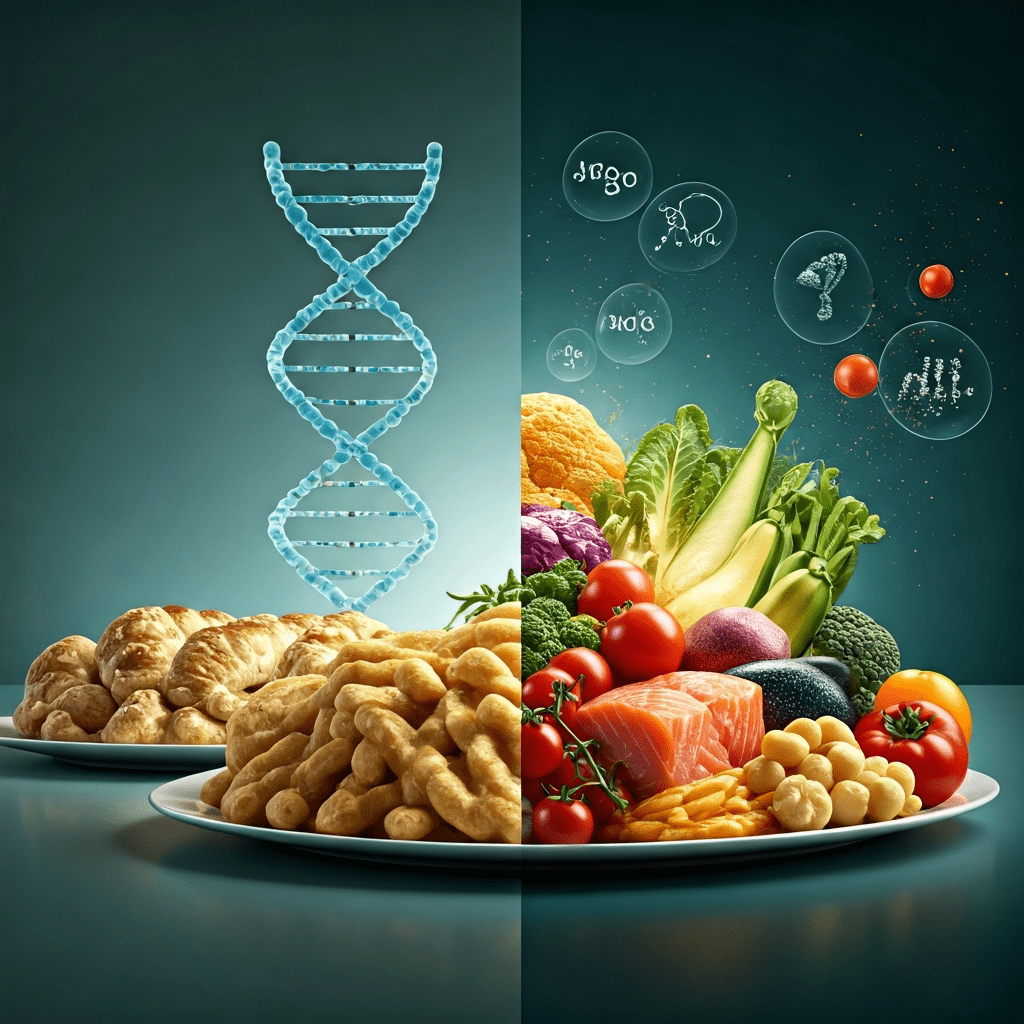
Creating Your Personalized Nutrition Plan
Transforming genetic insights into practical nutrition habits requires thoughtful interpretation and implementation. Your DNA provides the blueprint, but building an effective personalized nutrition plan involves translating this genetic information into daily food choices, meal timing, and sustainable habits that honor both your biology and lifestyle preferences.
Understanding Your DNA Test Results
When looking at your genetic results, it’s important to maintain a balanced perspective. Remember that genes create tendencies, not predetermined outcomes. A good DNA nutrition report will categorize genetic variants based on how much they impact you – from minor influences to major factors that require significant dietary changes. Start by addressing the genetic variations that have the most impact, especially those that affect multiple areas of your health or metabolism.
Instead of examining each gene individually, try to find patterns and links in your genetic profile. For example, if your results reveal several variants that affect inflammation response as well as detoxification pathway genes, a focus on an anti-inflammatory diet with strategic antioxidant support could address several genetic factors at once. These interconnected strategies usually produce better results than trying to address each genetic variant with separate interventions.
Turning Genetic Information into Dietary Guidelines
Use the knowledge you gain from your genetic testing to create a dietary plan that is uniquely suited to your body’s needs. If your genetic profile indicates that you have a heightened sensitivity to carbohydrates, for example, you might want to limit your carbohydrate intake to 20-30% of your daily caloric intake, while increasing your protein intake to 25-35% and your intake of healthy fats to 40-50%. You could also further refine your dietary plan by timing your carbohydrate intake around your exercise schedule based on your PPARG and ADRB2 status, or by increasing your intake of monounsaturated fats if your APOA2 variant indicates that you are sensitive to saturated fats.
Combining Genetic Understanding with Lifestyle Realities
Although genetics offer priceless insights into metabolism, successful nutrition plans need to consider this knowledge alongside lifestyle facts, individual tastes, and cultural factors. Even the most genetically ideal diet will be unsuccessful if it doesn’t fit with your timetable, cooking skills, food availability, and pleasure factors. The skill in personalised nutrition is in finding the best overlap between what your genes require and what your lifestyle can realistically maintain.
It’s important to understand that our genes are not our destiny. They simply predispose us to certain conditions or traits. These predispositions can be influenced by environmental factors, which in turn affect how our genes express themselves. This is known as epigenetics. Regular exercise, managing stress, getting enough sleep, and other lifestyle factors can greatly influence how our genetic tendencies manifest. The most effective personalized nutrition approaches take into account both our genetic blueprint and these modifiable lifestyle factors that can enhance or mitigate genetic predispositions.
5 Success Stories: Real People, Real Results from DNA-Based Nutrition
The life-changing power of DNA-based nutrition is made clear through the stories of people who have used this approach to tailor their diets. These case studies show how personalized nutrition plans based on genetic data can achieve results where traditional approaches have failed. Each story is a testament to the thousands of people who have discovered the benefits of eating according to their genetic makeup.
1. Beating Constant Tiredness with Nutrigenomics
42-year-old marketing executive Sarah had been feeling tired all the time for years, but medical tests always came back normal. Then she had a genetic test and found out that she had two variants of the MTHFR gene that were seriously affecting her folate metabolism and methylation pathways. These variants meant that she was only able to convert about 30% of the dietary folate she consumed into its active form. This had a knock-on effect on her energy production, hormone balance, and neurotransmitter synthesis.
Standard blood tests indicated that her folate levels were “normal,” but her genetic profile showed that she needed a much higher intake and specific forms that her body could use efficiently. By following a nutrition plan guided by her genetics that emphasized foods rich in methylfolate and targeted supplementation, Sarah experienced an incredible transformation in her energy levels within six weeks. Her personalized approach also included reducing foods containing synthetic folic acid, which her genetic profile showed she had a hard time processing.
“I used to feel so drained that I needed a nap every day. Now, I have steady energy all day long. I had tried following the standard health recommendations for years, but they didn’t work for me. Once I learned about my genetic needs and started eating to meet those needs, my health totally turned around. This wasn’t about willpower or generic health advice. My body just needed nutrition that matched my genetic makeup.” – Sarah M.
Take Sarah’s case as an example. She shows us how genetic differences can lead to biochemical needs that are not met by a one-size-fits-all approach to nutrition. Even though her regular blood tests were normal, her genetic inefficiencies in methylation pathways led to functional deficiencies that were only revealed through genetic testing. This pattern, where normal testing does not catch the nutritional needs caused by genetics, is common in those who see the most dramatic benefits from personalized nutrition.
2. A Newfound Solution to Weight Loss After Years of Trial and Error
Michael, a 38-year-old software engineer, had tried almost every popular diet out there with little to no success. His genetic analysis showed several key variants affecting his carbohydrate metabolism, including TCF7L2 and PPARG variations that caused major issues with insulin sensitivity. These genetic factors explained why he had poor results with low-fat, calorie-restricted diets in the past, even though he stuck to them religiously. For more insights on how genetics can impact dietary choices, check out this guide to personalized nutrition plans.
His nutrition plan, guided by his DNA, focused on a balanced diet of moderate protein (30%), limited carbs (25%), and healthy fats (45%). He would also strategically time his carb intake around his workout sessions. His genetic markers also suggested that he would benefit more from interval training rather than the steady-state cardio he was used to. In just four months, Michael lost 42 pounds and his previously borderline glucose levels were now normal. He didn’t feel hungry all the time, which was a huge change from his previous diet experiences.
3. Using a DNA-Based Diet to Control Autoimmune Conditions
Elena, who was diagnosed with psoriasis and early signs of rheumatoid arthritis, learned through genetic testing that she carried several variants that affected her inflammatory response pathways and detoxification processes. Her genetic profile showed that she was particularly sensitive to specific dietary triggers, including certain lectins, gluten proteins, and nightshade compounds, which worsened her autoimmune symptoms, even though they didn’t cause typical allergic reactions.
When Elena began a custom anti-inflammatory diet plan, which was based on her genetic data, she saw a 70% decrease in skin lesions and a significant reduction in joint pain within three months. These results were something her traditional treatments had been unable to accomplish. Her genetic-based approach involved focusing on specific omega-3 sources based on her FADS1 conversion efficiency, carefully chosen polyphenol-rich foods that matched her detoxification pathway needs, and the removal of specific inflammatory triggers identified through her genetic profile.
4. Genetic Diet Planning Boosts Athletic Performance
Thomas, a professional cyclist, found his performance stagnating despite rigorous training and adherence to traditional sports nutrition methods. A genetic analysis offered crucial insights into the performance limitations he was experiencing. This included variants in his ADRB2 and ACE genes that affected his energy metabolism, recovery capacity, and response to oxidative stress. His genetic profile showed that he needed a significantly higher intake of antioxidants than the average person. It also indicated that he needed to time his macronutrient intake differently than what standard sports nutrition protocols recommend. Moreover, he needed specific recovery nutrition to support his genetically determined detoxification pathways.
5. Digestive Problems Solved with Customized Nutrition
Rebecca, a 35-year-old teacher, had been battling with IBS symptoms for more than 10 years. She had tried several elimination diets and had undergone numerous medical procedures, but nothing seemed to work. It was only after undergoing genetic testing that she found out she had several variants that affected her histamine processing, bile acid production, and carbohydrate digestion. This discovery explained why the low-FODMAP diet and other standard approaches only provided her with partial relief – they were not designed to address her specific genetic processing limitations.
Collaborating with Professionals: Seeking Expert Assistance
Even though direct-to-consumer genetic tests provide useful information, working with trained professionals can help you get the most out of your DNA-based nutrition plan. The complicated nature of genetic data often requires expert interpretation and the ability to combine it with other health factors. The right professional advice can turn genetic information into truly individualized and efficient nutrition plans.
Dietitians who are trained in nutrigenomics can provide you with expert advice on how to turn your genetic data into a realistic nutrition plan. They are skilled in understanding the science behind genetic differences and how to make long-lasting changes to your diet. Many of these dietitians offer online consultations, so you can get the advice you need no matter where you live. When choosing a dietitian, look for credentials such as “Certified in Nutrigenomics” or advanced training in personalized nutrition.
When to See a Nutrigenomics Specialist
If you have complex health conditions and genetic information, you should consider seeking professional help. Conditions such as autoimmune disorders, metabolic syndrome, gut health issues, or food sensitivities often require a nuanced interpretation of genetic data in context with other factors. A specialist can help prioritize which genetic insights are most relevant to your specific health challenges and how to strategically implement changes. For example, understanding how genetic testing can reveal food intolerances can be crucial for those with food sensitivities.
When to See a Nutrigenomics Expert
If you have complicated health issues in addition to your genetic data, you may want to seek professional advice. Autoimmune diseases, metabolic syndrome, gut health problems, and food sensitivities often require a sophisticated understanding of genetic information in the context of other factors. An expert can help you determine which genetic insights are most important for your particular health problems and how to make changes in a strategic manner. For instance, understanding how genetic testing can reveal food intolerances can be crucial for managing your health effectively.
If your genetic results show a variety of dietary needs, it can be incredibly beneficial to have professional support. For instance, if your results show that you have issues with metabolizing fat, which would suggest a lower fat diet, and also show that you have a variant that affects how you process carbohydrates, which would suggest a restriction of carbohydrates, it can be hard to know how to balance these two needs. A specialist can help you find the right approach to address these genetic factors. This is especially important in complex situations where you need more than just a standard test report.
What to Ask Your Nutritionist About Genetic Testing
When choosing a nutrition expert to assist with genetic-based planning, ensure that they have specific training in nutrigenomics rather than assuming all nutritionists are knowledgeable about genetic interpretation. Inquire about their experience working with genetic data, ongoing education in this rapidly changing field, and whether they keep up with nutrigenetic research. High-quality practitioners should be able to explain how they turn genetic information into practical advice beyond what’s provided in standard test reports.
Ask your practitioner how they incorporate genetic insights with other assessment methods such as functional testing, symptom evaluation, and health history. The most effective approaches use genetics as one key source of information while considering the overall picture of your health. Specifically ask how they prioritize genetic findings and decide which variations require significant dietary modifications versus minor adjustments or monitoring.
Looking Past DNA: Additional Factors in Your Nutritional Equation
Although genetic insights offer a strong basis for personalized nutrition, they only make up one part of your overall nutritional picture. Your optimal diet comes from the interaction between your genetic blueprint and a variety of other biological and lifestyle factors that influence how those genes express themselves. Recognizing this wider context guarantees a truly comprehensive approach to personalized nutrition.
Epigenetics is the science of how your lifestyle and environment can change how your genes behave, without changing the genes themselves. Everything from what you eat, to how stressed you are, to how well you sleep, to how much you exercise, to what you’re exposed to in your environment can “turn up” or “turn down” how your genes express themselves. This can either make your genetic weaknesses less of a problem, or it can make your genetic strengths even stronger. This is why identical twins, who have the exact same genes, can end up with different health issues based on how they live their lives. To explore how genetic testing can reveal food intolerances, you can read more about it here.
Lab tests add another crucial layer of knowledge that supplements genetic data. While your genetics can show your inclinations and processing abilities, functional tests demonstrate how those genetic tendencies are currently showing up. Blood tests, micronutrient analysis, metabolic tests, and inflammation markers help to fill in the gaps of how your genetic blueprint is currently being expressed, allowing for more accurate interventions.
Your genetic information can be interpreted in many ways, depending on your health status, medical history, and health goals. For example, if you are recovering from an illness, trying to improve your athletic performance, or managing a chronic condition, you will focus on different aspects of your genetic data than someone who is mainly interested in prevention. The best personalized nutrition approaches take into account not only what your genes suggest but also what you need right now.
- Current health status and medical conditions
- Age and developmental stage
- Activity level and exercise patterns
- Stress levels and sleep quality
- Environmental exposures and toxin burden
- Gut microbiome composition and diversity
Gut Microbiome and Its Interaction with Genetics
Your gut microbiome – the community of trillions of bacteria living in your digestive tract – represents a critical factor in your nutritional response that both influences and is influenced by your genetic expression. These microorganisms participate in nutrient breakdown, vitamin production, immune regulation, and even neurotransmitter synthesis, creating a complex interplay with your genetic tendencies.
|
Genetic Factor |
Microbiome Interaction |
Nutrition Implication |
|---|---|---|
|
Lactose metabolism genes |
Lactose-digesting bacteria abundance |
Determines dairy tolerance beyond genetic predisposition |
|
Inflammatory response genes |
Anti-inflammatory bacterial species |
May mitigate genetic inflammation tendencies |
|
Detoxification pathway genes |
Toxin-processing microbial activity |
Influences detox capacity beyond genetic factors |
|
Carbohydrate metabolism genes |
Short-chain fatty acid production |
Affects carbohydrate processing beyond genetics |
Research increasingly shows that your microbiome can compensate for certain genetic limitations or enhance genetic strengths. For example, individuals with genetic variants affecting carbohydrate metabolism may process complex carbohydrates more efficiently if their microbiome includes abundant species that produce beneficial short-chain fatty acids. Similarly, certain bacterial populations can help break down food compounds that might otherwise cause sensitivity reactions based on genetic predispositions.
The interplay between your genetics and your microbiome opens the door to personalization that goes beyond the scope of genetic testing. By combining the insights from your genetic profile with an analysis of your microbiome, we can create a dietary plan that not only respects your genetic predispositions but also nurtures the bacterial populations that are most beneficial for you. This could involve selecting prebiotic foods, fermented products, and specific types of fiber that will support the microbial species that are most beneficial for your genetic profile.
Your genes determine what kind of microbes flourish in your gut, and your gut microbes affect how your genes behave. This is why people with the same genetic makeup can react differently to the same foods. It all depends on the types of microbes in their guts. This is also why personalized nutrition plans are now taking into account not only a person’s genetic makeup, but also their gut microbes.
How Your Environment Impacts Your Genetic Makeup
Your environment plays a major role in how your genes manifest themselves. This is due to epigenetic mechanisms – these are biological processes that change gene activity without changing the DNA sequence itself. Things like what you eat, how much stress you’re under, your sleep habits, how much you exercise, and what you’re exposed to in your environment can essentially turn genes on or off, increase or decrease their expression, and change how they impact your metabolism and overall health. This is why your genes alone can’t tell you what your ideal nutrition plan is – your environment is constantly interacting with your genetic predispositions. To understand more about how lifestyle changes affect your gene expression, you can read this article on epigenetics vs genetics.
How Lifestyle Choices Can Influence Your Genes
There are lifestyle factors that can be so powerful they can potentially override your genetic tendencies. This is what scientists refer to as “gene-environment interactions.” For instance, physical activity can significantly change the way your genes related to fat metabolism, insulin sensitivity, and inflammation express themselves. This can potentially balance out any unfavorable genetic variants you might have. Likewise, practicing intermittent fasting on a regular basis can change the way the genes that control glucose metabolism express themselves. This can sometimes make up for genetic variants that would otherwise make you sensitive to carbohydrates.
- Sleep quality: Regardless of genetic variations, it influences the expression of genes that regulate appetite
- Stress management: It modifies the expression patterns of inflammatory genes and affects communication between the gut and the brain
- Exposure to environmental toxins: It can amplify genetic weaknesses in detoxification or overwhelm genetic strengths
- Exposure to sunlight: It influences the activity of the vitamin D receptor gene beyond genetic variations
- Exposure to temperature: It affects the expression of metabolic genes through thermogenic activation
The timing of nutritional intake – when you eat – can sometimes be as important as genetic considerations about what you eat. Research on circadian rhythms shows that the timing of nutrients significantly affects the expression of metabolic genes, with identical meals creating different metabolic responses based on the time of consumption. For individuals with certain genetic variations affecting glucose metabolism, eating concentrated in specific time windows can significantly improve metabolic outcomes, regardless of genetic predispositions.
Environmental influences are why we should think of genetic tendencies as predispositions rather than predetermined outcomes. Your genes lay the groundwork for your nutritional needs, but your lifestyle choices and environmental exposures are constantly changing how those genetic tendencies manifest. The best personalized nutrition approaches recognize this dynamic interplay and make recommendations that both respect genetic insights and use environmental factors to optimize health outcomes.
What’s Next for Customized Nutrition?
- Combining different types of data (genetic, microbiome, metabolomic, clinical) for a more complete personalization
- Wearable tech that provides real-time metabolic feedback to fine-tune recommendations based on genetics
- A broader understanding of how genes and nutrients interact through large-scale population research
- AI-powered meal planning systems that continuously adapt to how your body reacts
- Supplements that are precisely tailored to your genetic needs and current functional status
The field of customized nutrition is quickly advancing beyond approaches that only consider one factor. The next generation of customization will blend genetic insights with continuous glucose monitoring, microbiome analysis, metabolomic testing, and real-time biomarkers. This will allow for dynamic nutritional recommendations that adapt to both your genetic makeup and your current physiological state. For more information on how genes affect nutrient processing, you can explore Nutrigenomics 101.
Schools are adapting to this customized method, with more and more nutrition and healthcare programs including nutrigenomics and personalized medicine ideas. This change is slowly but surely moving the standard of care from suggestions based on the population to methods that consider each person’s biological uniqueness. As healthcare providers become more proficient at understanding and using genetic information, personalized nutrition will become more and more the norm rather than the exception.
Food systems are adapting to the demands for personalization, with specialized product lines emerging to address specific genetic predispositions. Companies are developing targeted functional foods formulated for particular genetic profiles, making personalized nutrition increasingly convenient and accessible. These innovations will eventually allow for seamless implementation of genetic insights through food products designed for specific nutritional needs.
The most significant aspect of the future is the promise of personalized nutrition becoming more accessible, affordable, and user-friendly. What was once an exclusive luxury is quickly becoming available to a wider population as costs decrease and interpretation tools improve. This shift in accessibility will allow personalized nutrition to reach its full potential for improving health on a population scale while respecting individual biological uniqueness.
Progress in Technology and Research
Our knowledge of how genes interact with nutrients is expanding at a rapid pace, with thousands of studies being published every year that look at how genetic differences affect our nutritional needs and responses. These studies are finding more and more specific links – it’s not just about whether your body processes carbohydrates well, but about which types of carbohydrates are the best fit for your genetic makeup. In the same way, research is moving past broad categories like “sensitivity to saturated fats” and starting to identify which specific fatty acids are bad or good for certain genetic variants.
As technology continues to advance, personalized approaches are becoming more practical and accessible. Continuous glucose monitors now provide real-time feedback on how blood sugar responds to different foods, allowing for the refinement of genetic insights with personalized data. Similar technologies for monitoring inflammatory markers, ketones, and other metabolic indicators are also emerging. This creates opportunities for increasingly precise nutritional targeting that combines genetic predispositions with current physiological responses.
The Role of AI in Improving Genetic-Based Nutrition Plans
Artificial intelligence is changing the way we use genetic information to make practical diet recommendations. Machine learning algorithms can now identify patterns across thousands of genetic variants and their nutritional implications. They can identify connections and interactions that might be missed by human analysis. These systems continuously improve their recommendations by incorporating outcomes data. They learn which approaches work best for specific genetic profiles through real-world results rather than theoretical predictions.
Meal planning platforms that use AI, such as GenoVive, combine genetic insights with food preferences, lifestyle factors, and health goals to provide highly personalized meal recommendations. These systems can adjust plans instantly based on changing needs or new information, making personalized nutrition more practical for everyday use. As these technologies continue to improve, they will eventually be able to adapt nutritional recommendations in real time based on both genetic foundations and current physiological feedback.
Take Control of Your Health Through DNA-Based Nutrition
Your genetic code contains the instruction manual for your unique metabolism – the blueprint that explains why generic diets so often fail despite your best efforts. By aligning your nutrition with your genetic profile, you’re not following another one-size-fits-all approach, but honoring your biological individuality. The science of nutrigenomics has transformed theoretical possibilities into practical reality, allowing you to make food choices that work with your body’s natural tendencies rather than against them. Let GenoVive guide your journey toward truly personalized nutrition that reflects your unique genetic makeup and helps you achieve optimal health through the power of DNA-based nutrition planning.
Common Questions
When it comes to DNA-based nutrition, you might have some doubts about how it works, how reliable it is, and how it can be applied in real life. Here are some of the most frequently asked questions to help you understand how genetic testing can improve your nutritional habits.
How do DNA nutrition tests stack up against conventional nutritional advice?
DNA nutrition tests use proven gene-nutrient relationships to give you insights that would be impossible to get from general recommendations for the public. High-quality tests look at genes that have been well-studied and are known to be related to how your body responds to nutrition. These aren’t just theories – they’re based on research that’s been reviewed by other scientists. This means that the advice you get is based on your own unique metabolism, not just on averages from lots of different people.
- Study showed 70% greater weight loss adherence for genetically-tailored diets vs. standard recommendations
- Research demonstrated 2-3× better cholesterol improvements with gene-matched fat recommendations
- Clinical trials found significantly better glucose control with genetically-aligned carbohydrate guidance
- Participants report higher satisfaction and sustainability with genetically-matched eating patterns
Accuracy depends significantly on the quality and comprehensiveness of the test you choose. Tests examining more variants within each relevant gene provide more nuanced insights than those analyzing single variants. Similarly, tests that evaluate multiple genes affecting each metabolic pathway offer more reliable guidance than those focusing on isolated genes without considering their interactions. The best tests continuously update their recommendations as research evolves, incorporating new findings into their interpretation algorithms.
First and foremost, it’s crucial to note that genetic tests provide insights into predispositions, not definitive needs. Your genes create inclinations in how your body metabolizes nutrients, but factors like your environment, current health, and lifestyle choices all play a role in how these genetic inclinations come into play. The most comprehensive approach merges genetic insights with other evaluation methods such as functional testing, assessing your health history, and observing how your body reacts to changes in your diet.
GenoVive’s testing technology examines more than 100 genetic variants that have a well-established connection to nutrition. It then provides recommendations based on the overall genetic pattern rather than on individual markers. As research progresses, GenoVive continuously updates its interpretive algorithms to ensure that its recommendations reflect the most current scientific understanding of how genes interact with nutrients. This comprehensive approach results in guidance that is much more personalized and effective than generic, one-size-fits-all nutritional advice.
Does DNA testing assist with particular health issues such as diabetes or heart disease?
Genetic testing can uncover predispositions that impact your risk for conditions such as diabetes, heart disease, and other metabolic disorders, enabling for targeted preventive strategies. For instance, specific variants in genes like TCF7L2 and PPARG have a significant impact on glucose metabolism and insulin sensitivity, providing actionable insights for diabetes prevention. Similarly, genes like APOE, LPA, and PCSK9 affect cholesterol processing and cardiovascular risk, allowing for personalized approaches to heart health.
If you’re dealing with health issues, learning about your genetics can shed light on why typical treatments might not work as well for you. It can also point you towards adjustments that are tailored to you. For example, if you have genetic variants that affect how you metabolize carbohydrates, you might need to manage your diabetes differently than someone who doesn’t have those variants. Even though you both have diabetes, your bodies handle it in different ways. This personalized approach can greatly enhance your treatment plan. It aligns with how your body, specifically, processes things. It doesn’t just follow a one-size-fits-all protocol.
Do I need to take a DNA nutrition test more than once?
Your DNA doesn’t change over time, unlike certain health markers. This means you only need one thorough DNA test to learn about your genetic predispositions for nutrition. While your DNA doesn’t change, how you use your DNA insights might change as your health, goals, and lifestyle change. Your genetic foundation stays the same, but how you apply your DNA insights may need to change as other aspects of your life change.
Are DNA-based diets more expensive to follow than regular diets?
Although genetic testing does require an initial outlay, adopting DNA-based nutrition doesn’t necessarily mean ongoing food costs will be higher and it can often lower long-term health costs. By pinpointing the nutrients and supplements your body specifically needs, genetic testing can actually help avoid waste by spending money on unnecessary products or approaches that don’t match your biology. Many people find they save a significant amount of money by no longer buying ineffective supplements and instead putting their money towards targeted interventions that produce measurable results.
Is DNA nutrition testing beneficial for kids?
“Children’s genetic testing should concentrate on actionable insights that aid in their growth and development, and should emphasize a positive approach to nutrition rather than restrictive behaviors. The aim is to support optimal growth and establish healthy habits that align with their genetic predispositions, rather than imposing adult-oriented dietary plans.” – American Academy of Pediatrics Nutrition Committee
Genetic testing can be a game-changer when it comes to children’s nutrition. It can reveal inherited tendencies that may affect a child’s nutritional needs during those all-important developmental years. For instance, if a child’s vitamin D receptor is found to have certain variations, it might explain why the child’s vitamin D levels are suboptimal even when they’re getting plenty of sunlight. This would allow for personalized supplementation strategies. Similarly, knowing what genetic factors are at play in a child’s carbohydrate metabolism can help parents make smart choices about what meals will provide their child with stable energy and focus.
When it comes to your child’s genetic nutrition, think of it as a way to support their growth and development, not as a way to limit their diet. It’s not about putting your child on an adult-style diet. It’s about using what you know about their genetics to make sure they’re getting the best nutrition possible. That might mean adding certain foods to their diet or choosing one type of food over another. But it doesn’t mean you need to restrict their diet or make them afraid of certain foods.
When it comes to genetic testing for children, it’s critical to think about the ethical implications. The focus should be on actionable nutritional insights that have a clear positive impact on current health and development, rather than on disease risk factors or information that isn’t immediately relevant. Parents should collaborate with healthcare providers who specialize in pediatric nutrition to correctly interpret genetic information in the context of typical childhood development and nutritional requirements.
It’s not uncommon for families to opt for testing one or both parents to gain a better understanding of possible inherited predispositions without having to directly test their children. As children inherit their genes from their parents, the genetic patterns of the parents can often highlight nutritional factors that could be important for the children, too. This method provides valuable direction, while also respecting the child’s right to make their own decisions about their genetic information when they’re old enough to understand the implications of genetic testing.
Ready to stop guessing and start eating in a way that actually matches your biology? A single DNA nutrition test can reveal how your body handles carbs, fats, vitamins, and even “healthy” foods that may not be right for you. Use your genetic blueprint to build a personalized meal plan, improve your energy, and make every bite work harder for your long-term health. Take the first step today with a DNA-based nutrition plan designed around you, not the average person, by visiting dna.zenithvital.com.