 1.855.305.2430

Complete Methylation Protocol: From Testing to Treatment Leave a comment
Main Points
- Methylation is a crucial biochemical process that influences energy levels, mood regulation, immune function, and detoxification—understanding it can transform your approach to health.
- Comprehensive testing, including genetic tests for MTHFR mutations and functional lab assessments, provides the foundation for an effective, personalized methylation protocol.
- Diet plays a significant role in methylation support, with foods rich in B vitamins, choline, and betaine helping to optimize this essential pathway.
- Supplementation strategies should be tailored to your specific genetic variations and test results, with methylated B vitamins often forming the cornerstone of support.
- Rupa Health offers advanced methylation testing and personalized protocols to address the root causes of methylation issues rather than just treating symptoms.
Methylation impacts virtually every aspect of your health—from how you process nutrients and detoxify harmful substances to how your genes express themselves. When this critical biochemical pathway functions optimally, you experience better energy, mood stability, and overall wellness. When it doesn’t, a cascade of health challenges can emerge. The good news? With proper testing and a personalized approach, you can optimize your methylation pathways and transform your health. Rupa Health provides cutting-edge methylation testing that helps identify specific imbalances, allowing for truly personalized treatment protocols.
Understanding Methylation and Its Importance to Your Health
Imagine methylation as a biochemical superhighway in your body—it’s a complex series of reactions happening billions of times every second. This process involves moving a methyl group (made up of one carbon and three hydrogen atoms) from one substance to another. This movement enables vital functions throughout your body. Without proper methylation, many important bodily processes simply cannot happen efficiently.
Breaking Down the Methylation Process
Methylation is a complex biochemical process that involves the transfer of methyl groups (CH3) from one molecule to another. This may sound simple, but it acts like a switch that turns on and off various functions in the body. For example, when a methyl group attaches to DNA, it can either activate or silence genes. When it attaches to proteins, it alters their function. This process is dependent on certain nutrients, enzymes, and cofactors. If any of these components are missing or not functioning properly, the entire pathway can be affected.
Main Elements of the Methylation Cycle
• Methionine becomes SAMe (the universal methyl donor)
• Homocysteine turns into Methionine (needs B12, folate)
• Methylfolate changes into 5-MTHF (the active form)
• The MTHFR enzyme (turns folate into methylfolate)
• B vitamins are needed as essential cofactors
The methylation cycle is linked with many other biochemical pathways. These include the folate cycle, the BH4 cycle (which is important for the production of neurotransmitters), and the transsulfuration pathway (which is critical for detoxification). Because these processes are all interconnected, problems with methylation can lead to a wide range of symptoms that can affect multiple body systems. For more information, you can explore how DNA methylation is crucial for health.
The Impact of Methylation on Your Energy, Mood, and Immune System
Methylation is crucial for the production of cellular energy, which directly affects how you feel on a daily basis. It aids in the creation and metabolism of neurotransmitters such as serotonin, dopamine, and melatonin, which are vital for regulating mood and sleep. When methylation pathways are disrupted, these neurotransmitters can become unbalanced, possibly leading to conditions such as depression, anxiety, and insomnia.
Here are the ways methylation supports your health:
- Energy production: Methylation is necessary for the creation of creatine and CoQ10, which are crucial for energy at the cellular level
- Neurotransmitter balance: Methylation allows for the production and breakdown of serotonin, dopamine, and melatonin
- Immune regulation: Methylation aids in the production of T-cells and proper immune response
- Detoxification: Methylation is vital for the processing and elimination of toxins, hormones, and heavy metals
- DNA repair: Methylation helps to maintain genomic stability and cellular health
Methylation is also heavily relied upon by your immune system. The production and function of T-cells, which are critical components of your immune response, are dependent on methylation reactions. Methylation also plays a critical role in the natural detoxification processes of your body, helping to neutralize and eliminate environmental toxins, excess hormones, and metabolic waste products.
Typical Indicators of Methylation Difficulties
Methylation difficulties can often present themselves in confusing ways because this pathway impacts so many different bodily systems. Persistent tiredness that doesn’t get better with rest could be a sign of hindered energy production due to methylation defects. Mood disorders, such as depression and anxiety, could be a result of neurotransmitter imbalances caused by poor methylation. Regular infections or autoimmune diseases could point to immune dysfunction that is related to issues with the methylation pathway.
Many people experience symptoms like brain fog, inability to concentrate, sleeplessness, hormonal imbalances, and heart problems. Digestive problems, sensitivity to the environment, and allergies can also be signs of methylation issues. Many people with methylation problems have had a history of not responding well to certain medications or supplements, which can be another sign that these pathways aren’t working as they should.
Step One in Your Methylation Protocol: Get Tested
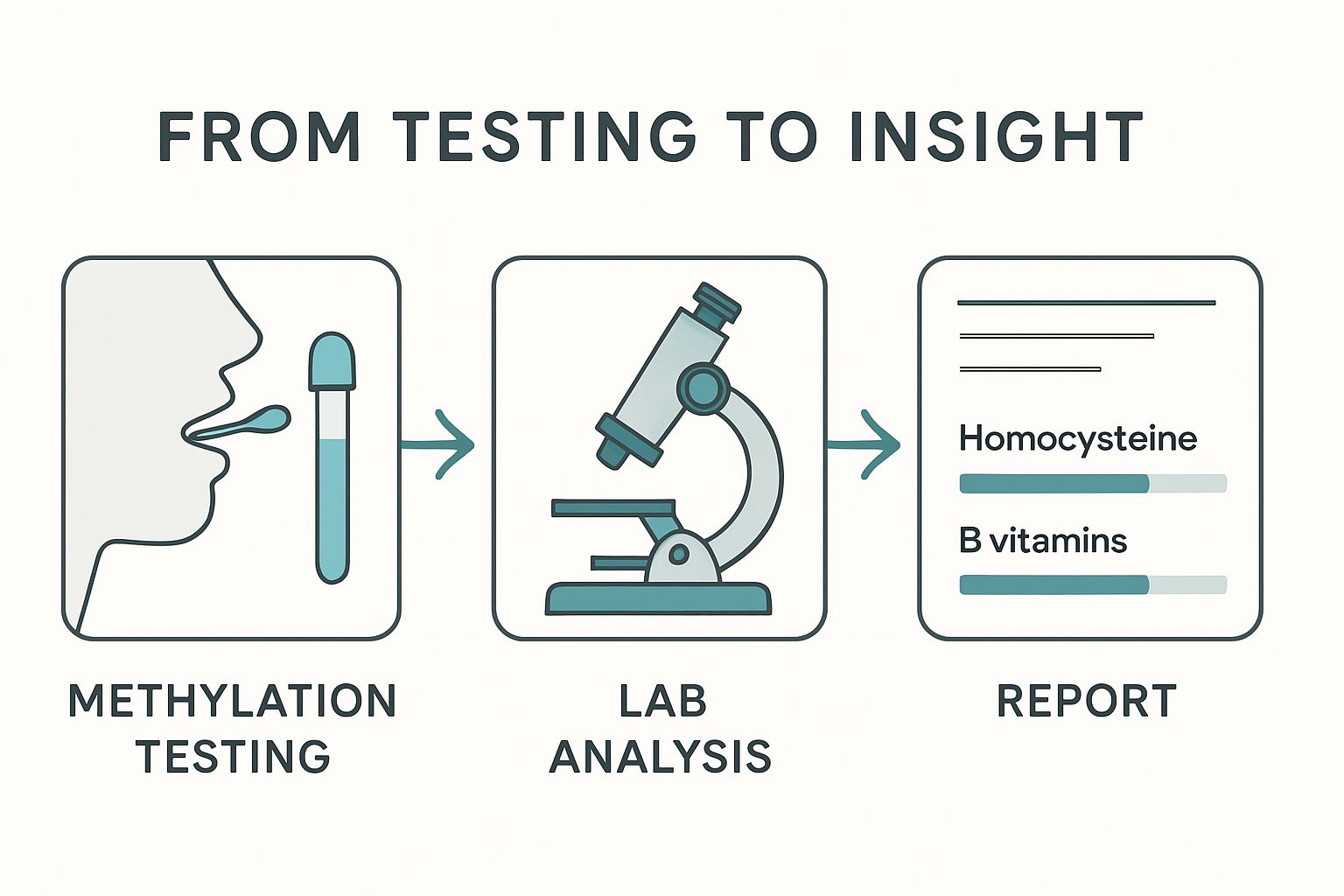
Comprehensive testing is the first step in any methylation support protocol. By identifying your specific imbalances and genetic variations, you can avoid the common mistake of random supplementation. This is important because some people with certain genetic variations may actually experience worse symptoms if they supplement randomly. A healthcare provider who is knowledgeable about methylation testing can help you create an effective treatment plan.
Genetic Testing for MTHFR and Other Methylation Genes
Genetic testing provides invaluable insights into your inherent methylation capacity by identifying specific gene variants that may impact this pathway. The most well-known is the MTHFR gene, which produces an enzyme critical for converting folate into its active form, methylfolate. Common variants like C677T and A1298C can reduce this enzyme’s efficiency by 30-70%, significantly impacting your methylation capacity. Beyond MTHFR, comprehensive genetic testing should include other methylation-related genes such as COMT, MTR, MTRR, CBS, BHMT, and MAO, as these all play important roles in different aspects of the methylation cycle.
Functional Lab Tests That Show Methylation Status
Genetic testing can show your inherent predispositions, but functional lab tests can show how your methylation pathways are performing right now. Genova Diagnostics offers a Methylation Panel that measures key methylation metabolites in plasma, providing a snapshot of your current methylation efficiency. This comprehensive assessment examines markers like homocysteine, methylmalonic acid, folinic acid, and various B vitamins that serve as cofactors in the methylation cycle.
Another useful approach is organic acid testing (OAT), which measures urinary metabolites to determine the status of B vitamins and the efficiency of methylation. Markers such as formiminoglutamic acid (FIGLU) can provide information on folate status, while methylmalonic acid can provide information on B12 functionality. These tests can uncover issues in your methylation pathways that genetic testing alone may not be able to identify, allowing for more specific intervention.
Understanding Your Homocysteine Levels
Homocysteine is a vital marker in methylation evaluation and acts as a key functional indicator of pathway effectiveness. This amino acid is generated during the methylation cycle and needs to be recycled back into methionine or transformed into other beneficial compounds. If methylation pathways are impaired, homocysteine can build up to potentially dangerous levels, elevating the risk of cardiovascular disease and neurotoxicity.
| Homocysteine Level | Interpretation | Potential Implications |
|---|---|---|
| Below 6 μmol/L | Could suggest excessive methylation | Possible overmethylation, histamine imbalances |
| 6-9 μmol/L | Optimal range | Balanced methylation cycle function |
| 9-15 μmol/L | Mild-moderate elevation | Early methylation impairment, nutrient deficiencies |
| Above 15 μmol/L | Significant elevation | Serious methylation defects, increased health risks |
High homocysteine levels may point to deficiencies in B6, B12, or folate, or it could suggest genetic variations affecting these pathways. Interestingly, some individuals with MTHFR mutations maintain normal homocysteine levels through compensatory mechanisms or optimal nutritional support, highlighting why comprehensive testing provides a more complete picture than any single marker.
Getting Ready for Precise Testing Results
Right preparation is crucial for getting dependable methylation test results that can steer your personalized protocol. Most importantly, speak with your healthcare provider about temporarily stopping methyl donor supplements such as B12, folate, SAMe, and betaine at least 48 hours before testing (though specific timing may vary by test). Keep taking any prescribed medications unless your doctor advises otherwise, as sudden discontinuation could be dangerous.
Keep eating as you normally would in the days before your test, but stay away from alcohol and any unnecessary medications that might affect your results. For some tests, like organic acid tests, make sure you follow the collection instructions closely, including when to collect the sample and how to store it. Drinking plenty of water (unless you’ve been told not to) can help make sure you have enough of a sample for tests that use urine.
Deciphering Your Methylation Test Results
It’s important to understand that interpreting methylation test results isn’t as simple as looking at each marker individually. Instead, it’s about understanding how these markers interact with each other and what certain patterns of imbalance could mean. An experienced practitioner will look for patterns and relationships between different parts of your methylation profile instead of just looking at each marker in isolation. This comprehensive approach allows for more targeted and effective treatment plans that are tailored to your unique biochemistry.
Understanding Methylation Markers
Methylation markers are not as straightforward as they seem. They exist on a spectrum and what is considered “normal” by conventional laboratory standards may not be optimal. For example, many labs consider homocysteine levels up to 15 μmol/L normal. However, those practicing functional medicine typically aim for levels between 6-9 μmol/L for optimal methylation support. Vitamin B12 levels are another example. What is considered “normal” may still be insufficient for proper methylation. This is especially true for individuals with genetic variations that affect B12 transport or utilization.
Substances like S-adenosylmethionine (SAMe) and S-adenosylhomocysteine (SAH) that are involved in methylation can tell us a lot about how well your body is able to carry out methylation. The ratio of SAMe to SAH is particularly informative about your body’s overall ability to methylate. If you have high levels of methylmalonic acid, this is a strong sign that you’re not getting enough B12, even if your blood tests say your B12 levels are fine. Understanding these subtleties requires a lot of knowledge and a holistic view of your health.
How Your Methylation Capacity is Affected by Gene Variants
Gene variants (SNPs) don’t just determine whether your methylation works or doesn’t—they generate a complicated landscape of potential strengths and vulnerabilities in your biochemical pathways. The impact of MTHFR variations depends on whether you have one copy (heterozygous) or two copies (homozygous) of the variant, with homozygous C677T potentially decreasing enzyme activity by up to 70%. However, having multiple heterozygous variations across several methylation genes can sometimes create more significant challenges than a single homozygous variant.
Different gene variants interact with each other to create unique methylation “signatures.” For instance, variations in COMT affect the speed at which your body processes certain neurotransmitters and can determine whether certain methyl donors might be beneficial or harmful to you. Variations in CBS affect the transsulfuration pathway and sulfur metabolism, which could potentially affect your body’s detoxification capacity and sensitivity to sulfur-containing supplements and foods. Understanding these genetic interactions provides insight into why personalized approaches are so important—what works wonders for one person might exacerbate symptoms in another.
Be Aware of Common Testing Limitations
There is no single testing method that can provide a complete picture of methylation status. Genetic testing can reveal predispositions, but it cannot show how those genes are currently expressing or functioning. Functional testing can show current metabolite levels, but these levels can fluctuate based on recent diet, supplements, stress, or illness. In addition, laboratory reference ranges are often based on statistical averages rather than optimal health markers, which means they can potentially miss subclinical imbalances that still impact wellbeing.
There are many elements other than genetics that can impact the efficiency of methylation. These include the health of your gut, exposure to toxins, your level of stress, and the status of your nutrients. Even if you have undergone extensive testing, these factors can change over time. This means that you may need to reassess your situation and make adjustments to your protocol periodically. This is why you should view methylation support as a process that is constantly changing and ongoing, rather than a one-time intervention.
Underlying Reasons for Inefficient Methylation
For a successful management of methylation problems, it is important to locate and treat the root causes instead of just supplementing with methyl donors. Although genetic factors may make you more prone to methylation problems, there are many environmental, nutritional, and lifestyle factors that can activate or exacerbate methylation issues. If you systematically tackle these root causes, you can make long-term improvements in methylation efficiency and overall health.
How Your Genes Can Affect Methylation
Your body’s ability to process methyl groups can be significantly affected by genetic variations in key enzymes involved in methylation. The MTHFR enzyme, for example, is responsible for converting folate into its active form, known as 5-MTHF. Common variations of this enzyme, such as C677T and A1298C, can reduce its ability to perform this conversion by anywhere from 30% to 70%. The genes MTR and MTRR, on the other hand, affect how effectively your body can use vitamin B12 during the methylation cycle. Variations in the COMT gene can also affect the speed at which your body can process hormones and neurotransmitters through methylation pathways.
How Environmental Toxins Affect Methylation
Environmental toxins can put a lot of stress on your methylation pathways, and they can also use up the methyl donors that are vital to the process. Heavy metals, such as mercury, lead, and arsenic, can directly block the methylation enzymes that are key to the process and can also increase the body’s need for support in detoxification. Pesticides, herbicides, and industrial chemicals can also negatively affect the efficiency of methylation, which means that there is a greater need for methyl groups, but at the same time, these toxins can also damage the pathways that are needed to process these toxins. For more information, you can explore this beginner’s guide to methylation tests.
Research has shown that airborne pollutants, including particulate matter and volatile organic compounds, can change DNA methylation patterns and increase oxidative stress. Everyday household products that contain phthalates, parabens, and other endocrine-disrupting chemicals can also interfere with proper methylation. You can reduce your exposure to these pervasive toxins by using filtered water, organic foods, and non-toxic household products, which are essential for supporting overworked methylation pathways.
How Lack of Certain Nutrients Can Impact Methyl Donors
One of the most frequent and fixable reasons for poor methylation is a lack of certain nutrients. B vitamins, especially folate, B12, B6, and riboflavin, are vital for methylation reactions, and not getting enough can directly affect these processes. Choline and betaine, which are in foods such as eggs, liver, and beets, offer important methyl donors that help turn homocysteine back into methionine.
Today’s eating habits are often missing these essential nutrients due to eating processed foods, poor soil quality, and cooking methods that deplete nutrients. Also, commonly used medications like proton pump inhibitors, metformin, and oral contraceptives can interfere with B vitamin absorption or utilization, further compromising methylation. Even dietary restrictions that are well-intentioned, such as vegetarian or vegan diets, may unintentionally cause deficiencies in critical methylation nutrients like B12 and choline without careful planning.
How Stress and Lifestyle Affect Methylation Pathways
Chronic stress is a major contributor to methylation dysfunction. It increases the need for methyl donors and depletes the resources necessary for proper methylation. When you’re stressed, your body produces more catecholamines, or stress hormones. These hormones must be processed through methylation-dependent pathways. The increased demand can quickly use up methyl donors, leaving not enough resources for other important methylation reactions.
Bad sleep quality makes methylation issues worse by messing up the circadian rhythms that control gene expression through methylation processes. Drinking alcohol directly messes up folate metabolism and increases homocysteine levels, while smoking brings in toxins that must be processed through methylation pathways. Even too much exercise without the right recovery can temporarily use up methyl donors and increase oxidative stress. These lifestyle factors show why complete methylation support must not only address nutritional supplementation but also lifestyle optimization and stress management.

The Methylation Food Plan
Your diet is the cornerstone of any successful methylation plan. It gives your body the resources it needs for methylation to work at its best. Instead of just focusing on specific supplements, a diet that supports methylation makes sure that you have a constant supply of natural methyl donors and cofactors from whole foods. This method supports a lasting improvement in how well methylation works while avoiding the possible problems that can come from taking too many supplements.
Natural Methyl Donor-Rich Foods
When it comes to nurturing your methylation pathways, it’s important to eat foods that are naturally high in methyl donors and cofactors. Dark leafy greens such as spinach, kale, and collard greens are a great source of natural folate. Asparagus, Brussels sprouts, and broccoli also provide great support for methylation. Animal proteins like eggs (particularly the yolks), organ meats, and seafood are essential sources of vitamin B12, choline, and complete protein that are necessary for methylation reactions.
Beets are particularly beneficial because they are high in betaine, a potent methyl donor that can help offset some genetic methylation problems. Legumes, nuts, and seeds provide additional B vitamins and minerals that aid methylation pathways. Eating a variety of these foods ensures that you get all the nutrients you need for healthy methylation function, rather than getting too much of one or two nutrients.
- Folate sources: Dark leafy greens, asparagus, avocados, Brussels sprouts
- B12 sources: Shellfish, organ meats, fish, eggs, beef
- Choline sources: Egg yolks, liver, salmon, shiitake mushrooms
- Betaine sources: Beets, spinach, quinoa, sweet potatoes
- B6 sources: Poultry, bananas, potatoes, pistachios
What to Eat If You Have an MTHFR Mutation
Those with MTHFR variations need to be particularly mindful of their folate intake, emphasizing naturally occurring folate from whole foods rather than synthetic folic acid. Regular consumption of leafy greens, legumes, and other folate-rich foods provides the necessary substrate for the methylation cycle, even with reduced enzyme efficiency. Additionally, increasing consumption of betaine-rich foods like beets and spinach becomes especially important, as betaine provides an alternative pathway for homocysteine metabolism that can compensate for reduced MTHFR function.
For those with MTHFR variations, protein consumption is particularly important because it provides essential amino acids, including methionine, which directly contributes to the methylation cycle. When choosing proteins, quality is key. Opt for grass-fed meats, pasture-raised eggs, and wild-caught fish to reduce your exposure to added hormones and antibiotics that could put additional strain on methylation pathways. Some people with MTHFR variations may also find it helpful to limit their consumption of foods high in synthetic folic acid, which can potentially block folate receptors without providing a usable substrate.
What Foods to Avoid That Interfere with Methylation
There are some foods that can hinder methylation processes and should be avoided, especially during the first stages of your protocol. Processed foods that contain synthetic folic acid can be especially harmful for those with MTHFR variations, as this synthetic form needs to be converted by the MTHFR enzyme—the very enzyme that might not be functioning properly. Foods and drinks with a high alcohol content can deplete B vitamins and directly interfere with folate metabolism.
Consuming too much sugar can lead to increased inflammation and oxidative stress, which can cause methyl groups to focus on these issues rather than promoting overall health. Similarly, industrial seed oils that are high in omega-6 fatty acids can also cause inflammation if consumed in large quantities. Foods and drinks that contain sulfites, such as wine, dried fruits, and certain preserved foods, can be harmful to people with CBS gene variations that affect the transsulfuration pathway. By paying attention to how your body reacts to these foods, you can gain a better understanding of how to tailor your diet to your specific needs.
Sample Meal Plan for Optimal Methylation
Methylation-Supportive Daily Meal Plan
Breakfast: Omelet with vegetables such as spinach, mushrooms, and herbs; side of berries
Snack: A handful of mixed nuts and seeds with apple slices
Lunch: A large salad with dark leafy greens, roasted beets, lentils, and wild salmon
Snack: Sliced vegetables with hummus or guacamole
Dinner: Grass-fed beef or pastured chicken, roasted Brussels sprouts, sweet potato
Beverage choices: Filtered water, herbal teas, bone brothThis diet naturally includes important methyl donors and supportive nutrients throughout the day while reducing inflammatory and methylation-blocking foods. The focus on protein at each meal provides essential amino acids, while the ample vegetables provide natural folate, betaine, and antioxidants. Changing your choices within this framework ensures nutritional diversity while maintaining methylation support.
Necessary Supplements for Methylation Assistance
Though diet serves as the bedrock of methylation assistance, specialized supplementation can tackle individual genetic variations and rectify imbalances faster than diet alone. The secret to successful supplementation is customization—utilizing your test outcomes to establish precisely which nutrients you require and in what forms. This accuracy method prevents the frequent blunder of consuming supplements that may be unsuitable for your distinct biochemistry.
B Vitamins: The Building Blocks of Methylation
B vitamins are critical components in many methylation reactions, making them foundational supplements in most methylation protocols. Vitamin B12 (especially in the active forms of methylcobalamin and adenosylcobalamin) assists in the conversion of homocysteine back into methionine, closing the methylation cycle. B6 (as pyridoxal-5-phosphate) aids in the transsulfuration pathway that transforms homocysteine into helpful compounds like glutathione when the methylation pathways become overtaxed.
It’s worth paying particular attention to Riboflavin (B2), especially for those with MTHFR C677T variations. It stabilizes the enzyme and can significantly improve how it works. Niacin (B3) helps with energy production and NAD+ levels, which influence methylation through sirtuin activity. While individual B vitamins can be supplemented based on specific deficiencies, a well-formulated activated B complex often provides synergistic benefits for methylation support.
Folate vs. Folic Acid: Making the Right Choice
Understanding the difference between various forms of folate is vital when considering methylation supplementation. Folic acid, a synthetic form commonly found in many supplements and fortified foods, needs to be converted by the MTHFR enzyme to become biologically active. This is the very enzyme that may be compromised in many individuals facing methylation issues. For individuals with MTHFR variations, this could lead to a “traffic jam” in the methylation pathway, potentially exacerbating symptoms.
L-methylfolate (5-MTHF) is the activated form of folate that skips the MTHFR conversion step, making it the best choice for most methylation support protocols. Folinic acid (5-formyltetrahydrofolate) is another useful form that can convert to active folate more easily and is less dependent on MTHFR. When choosing supplements, read labels carefully—many “folate” supplements still contain folic acid instead of these more bioavailable forms. To understand more about how these supplements affect your health, consider exploring DNA methylation and its role in your wellness journey.
Essential Minerals for Methylation Enzymes
There are a number of minerals that are crucial for the functioning of methylation enzymes, making them a key part of any methylation support protocol. One of these is magnesium, which is involved in the activation of more than 300 enzymes in the body, including those that play a role in the methylation cycle and the production of ATP. Many people who have issues with methylation find that they benefit from taking supplements that contain highly bioavailable forms of magnesium, such as magnesium glycinate, malate, or threonate, rather than magnesium oxide, which is not well absorbed. For more insights on how DNA methylation impacts health, exploring the right minerals can be crucial.
Zinc is vital for DNA methylation, and it works hand in hand with vitamin B6 in many biochemical pathways. Selenium is necessary for the production of glutathione, which supports the detoxification aspects of methylation. Other minerals like potassium, molybdenum, and trace minerals like lithium may also support various aspects of methylation function. It’s important to have the right balance of minerals – having too much can be just as problematic as not having enough, which is why it’s important to get tested before you start taking supplements.
Using Adaptogens and Antioxidants for Improved Methylation
Oxidative stress is a natural byproduct of the methylation cycle, so incorporating antioxidant support is a crucial part of any comprehensive protocol. Glutathione, the body’s primary antioxidant, directly aids detoxification pathways and safeguards methylation enzymes from oxidative harm. NAC (N-acetylcysteine) supplies a precursor for glutathione production, while vitamin C, vitamin E, and selenium aid in glutathione recycling and overall antioxidant protection. For a deeper understanding, you can explore this research article on oxidative stress.
Stress-relieving herbs such as ashwagandha, rhodiola, and holy basil can indirectly aid methylation by regulating stress responses and lowering cortisol, which can otherwise drain methyl donors. Curcumin from turmeric aids in controlling inflammation that could otherwise reroute methylation resources. These supporting compounds don’t directly supply methyl groups, but they do create an internal environment that is more favorable for ideal methylation function.
How to Adjust Dosages Based on Your Test Results
| Test Results | Suggested Supplement | Usual Dosage Range | Things to Keep in Mind |
|---|---|---|---|
| Homocysteine >9 μmol/L | Methylfolate, B12, B6, Betaine | 400-1000mcg methylfolate, 1000mcg B12 | Start with a small dose, then slowly increase |
| B12 levels are low | Active B12 (adenosyl/methylcobalamin) | 1000-5000mcg per day | If you have absorption issues, you may need injections |
| MTHFR C677T homozygous | Methylfolate, Riboflavin | 400-1000mcg methylfolate, 400mg riboflavin | Watch out for symptoms of overmethylation |
| COMT variations | Lower dose methylfolate, Magnesium | 200-400mcg methylfolate, 300mg magnesium | Avoid SAMe at first |
| MMA is elevated | B12 (both methyl and adenosyl forms) | 1000-2000mcg per day | Check for intrinsic factor antibodies |
When it comes to supplements, it’s always best to “start low and go slow,” especially with methyl donors. Start with a smaller dose than you think you’ll need, then slowly increase it while keeping an eye out for both positive changes and potential side effects. For many people, pulsed dosing (taking supplements for 5 days, then taking 2 days off) or rotating different supplements can prevent problems with adaptation and keep the supplements working effectively. Keep in mind that the best dosage for you is highly individual – what works for someone else might not work for you.
How to Design Your Custom Methylation Protocol
A truly successful methylation protocol involves more than just throwing in supplements at random—it necessitates a methodical approach that takes into account your unique genetic variations, current biochemical status, and health objectives. This personalized strategy should tackle the root causes of methylation dysfunction while also bolstering your body’s inherent ability to maintain equilibrium and self-regulate. Ideally, you should collaborate with a well-informed healthcare practitioner who can assist you in interpreting testing results and developing a suitable step-by-step plan.
Step 1: Understand Your Unique Genetic Makeup
Understanding how your specific genetic makeup influences methylation pathways is the first step in your personalized protocol. For those with MTHFR variations, particularly the C677T homozygous form, supplementation with methylfolate and riboflavin is often the foundation of support. If you have COMT variations affecting catecholamine metabolism, you may need to start with smaller doses of methyl donors and add more magnesium. CBS variations may require you to carefully monitor your sulfur intake.
Alterations in MTR and MTRR can affect how B12 is used and can often be improved with higher doses of active B12 forms and supportive nutrients such as trimethylglycine (TMG). Variations in MAO that affect the breakdown of neurotransmitters may require changes in the timing and dosage of methylation support to prevent changes in mood. This genetics-first approach ensures that you are addressing your unique biochemical needs instead of following generic protocols that may not be suitable for your specific variations.
Step 2: Boost Detoxification Pathways
Improving methylation naturally increases detoxification ability, which can sometimes cause temporary discomfort as stored toxins start to move from tissues. Supporting your detoxification pathways from the start helps reduce these reactions and ensures toxins can be safely removed. Proper hydration is the basis of detoxification support, while fiber-rich foods help bind toxins in the digestive tract for removal.
There are specific nutrients that can assist with Phase 1 and Phase 2 liver detoxification. These include N-acetylcysteine, alpha-lipoic acid, milk thistle, and vitamin C. To help eliminate toxins through the skin, gentle sweating through exercise or sauna therapy can be beneficial. For those who have a high toxic burden, activated charcoal or bentonite clay can be used periodically to bind toxins in the gut. This comprehensive detoxification support helps to create a cleaner internal environment, which reduces the demands on methylation pathways.
Step 3: Stabilize Your Neurotransmitters
Methylation has a direct effect on how neurotransmitters are produced and broken down, which makes maintaining a balance of neurotransmitters a key part of any complete protocol. As you begin to support methylation and increase the production of serotonin, dopamine, and other neurotransmitters, you may need to change the dosage and timing to help stabilize your mood. If you’re dealing with fatigue or depression, taking methyl donors in the morning often works best. But if you’re dealing with anxiety or insomnia, you might find it more beneficial to divide your doses or take certain supplements earlier in the day.
Based on symptoms and testing, amino acid precursors like 5-HTP (for serotonin) or tyrosine (for dopamine) might be included in a strategic manner. Vitamin B6, in the form of pyridoxal-5-phosphate, aids in the conversion of these precursors into active neurotransmitters. For those with serious mood difficulties, adaptogens such as ashwagandha or rhodiola can help regulate stress responses while methylation pathways are rebalanced. This targeted neurotransmitter support aids in the management of mood swings that may occur during the implementation of a methylation protocol.
Step 4: Rebuild Gut Health
Did you know that your gut health is linked to methylation? This is an important yet often overlooked aspect of comprehensive methylation support. Your gut microbiome directly influences the production of folate, the absorption of B vitamins, and inflammation levels. All of these impact the function of methylation. By addressing intestinal permeability (also known as “leaky gut”), dysbiosis, and deficiencies in digestive enzymes, you can often see significant improvements in methylation capacity. And the best part? You can achieve this without direct supplementation of methyl donors.
Certain probiotics, especially those that include Lactobacillus and Bifidobacterium species, can aid in the production of B vitamins and lessen inflammation in the gut. Prebiotic fibers provide nourishment for helpful bacteria and help to get rid of toxins that are a burden to methylation pathways. Digestive enzymes might help to improve the absorption of nutrients, and anti-inflammatory substances like curcumin and omega-3 fatty acids can aid in the restoration of the integrity of the gut lining. This approach, which is focused on the gut, acknowledges that in order to provide sustainable support for methylation, the underlying factors that affect the absorption and utilization of nutrients must be addressed.
How Lifestyle Changes Can Improve Methylation
While diet and supplements play a crucial role in methylation, everyday lifestyle choices also significantly affect how well methylation works. These non-supplement strategies can often lead to some of the most substantial and long-lasting improvements in methylation function. When you combine certain lifestyle changes with the right nutritional support, the result can be a synergistic effect that greatly boosts methylation capacity and overall health resilience.
Workouts That Boost Methylation
Consistent exercise is proven to improve DNA methylation patterns and boost overall methylation function, but the kind and intensity are key. Moderate-intensity workouts such as brisk walking, swimming, or cycling encourage healthy gene expression through positive methylation changes without causing too much oxidative stress. Research indicates this kind of exercise can better homocysteine levels and strengthen detoxification ability, directly aiding methylation pathways.
High-intensity interval training (HIIT) can help improve methylation when done in the right amount. It can improve the function of your mitochondria and make you more sensitive to insulin. But, if you do too much of this kind of exercise and don’t give your body time to recover, it can use up your methyl donors and cause oxidative stress. This can make methylation problems worse. Mind-body exercises like yoga and tai chi can also help. They activate the parasympathetic nervous system, which can help reduce the amount of methylation that is used up when you’re stressed. The best way to exercise will depend on how well your body is currently methylating and your overall health.
How to Improve Methylation with Better Sleep
Getting a good night’s sleep is one of the best ways to improve methylation without taking supplements. When you’re in a deep sleep, your body goes to work repairing your DNA and regulating gene expression, both of which are dependent on methylation. Keeping a regular sleep schedule can help your body maintain healthy circadian rhythms, which are directly linked to methylation patterns in your body.
Setting up the perfect sleep environment means reducing exposure to blue light before bedtime, keeping the bedroom cool, and minimizing exposure to electromagnetic fields (EMFs) in the sleeping area. Encouraging the production of melatonin, the hormone that regulates sleep, through exposure to sunlight in the early morning and darkness in the evening can help control processes that depend on methylation. For those who have a hard time sleeping, specific supplements like magnesium glycinate, theanine, or glycine can enhance the quality of sleep without directly burdening the pathways of methylation.
Methods for Managing Stress
Long-term stress quickly uses up methyl donors due to the increased production of stress hormones and inflammatory compounds. This makes stress management a crucial part of supporting methylation. Studies have shown that regular meditation can positively affect DNA methylation patterns, especially in genes that play a role in inflammation and stress response. Even short daily meditation sessions of 10-15 minutes can greatly improve methylation efficiency.
Practices like deep breathing exercises, progressive muscle relaxation, and spending time in nature can also help manage stress effectively. These activities activate the parasympathetic nervous system and reduce the metabolic demand for methyl donors. You can also limit your exposure to stressful stimuli like news consumption and social media to prevent unnecessary activation of stress responses. In fact, for many people with methylation challenges, addressing chronic stress can lead to more significant improvements than adding more supplements. For those interested in understanding how genetic factors may play a role in stress response, exploring the COMT gene might provide valuable insights.
Keeping Track of Your Progress and Changing Your Treatment Plan
Improving methylation is not a one-and-done process, but rather something that needs to be regularly checked and tweaked. Good treatment plans change based on how your body is responding, what your body needs, and what your test results are showing. Having a good way to keep track of both the objective markers and the subjective improvements can help guide these changes and make sure that your treatment plan is working over time. Understanding how your genes affect nutrient processing can also play a significant role in tailoring your treatment plan effectively.
Several professionals suggest maintaining a comprehensive diary when you first start your methylation protocol. You should record your energy levels, mood, sleep quality, and any odd symptoms. This data is extremely helpful in connecting changes to specific actions and identifying patterns that could otherwise be overlooked.
What to Expect When You Begin Methylation Treatment
When you begin methylation support, you’ll likely go through several phases of healing. The length of each phase depends on your individual circumstances and how severe your methylation imbalances are. Many people notice an increase in energy and mental clarity within the first one to two weeks. This is usually because their nutrient deficiencies are being addressed. You may also experience temporary detoxification reactions or neurotransmitter fluctuations as your biochemical pathways are reactivated. By the first to third month, you may notice more significant improvements in your chronic symptoms. This is usually because your methylation capacity is improving and your cellular function is returning to normal.
How to Know Your Protocol Is Effective
When your methylation protocol is working, you’ll notice subjective improvements as well as measurable changes in lab markers. You’ll often first notice increased energy, mental clarity, and emotional resilience. These will be followed by improvements in sleep quality, digestive function, and immune resilience. Objectively, you’ll see decreasing homocysteine levels, normalizing methylation metabolites, and improvements in related markers like inflammatory indicators or thyroid function. These are all signs that your protocol is effectively addressing methylation challenges.
When to Recheck and Make Changes
Usually, the first follow-up test is done 3-4 months after starting a full methylation protocol. This gives enough time for significant biochemical changes to happen. Homocysteine and basic methylation markers are a good, affordable first step for rechecking. More detailed rechecking might be saved for the 6-month mark. Test results should be looked at along with how your symptoms have improved. Sometimes, lab values get better before symptoms are completely gone, or the other way around. Based on these results, your protocol might need to be changed. This could mean changing the form of supplement you’re taking, changing how much you’re taking, or dealing with new imbalances that were hidden before by more urgent problems.
Unique Considerations for Various Health Situations
Supporting methylation requires careful tailoring for individuals with certain health conditions, as these conditions often affect both methylation requirements and the best ways to intervene. Some health problems place unique demands on methylation pathways or create unique considerations for how methylation support should be applied.
While the basic tenets of methylation support are the same across the board, the specifics of how it’s implemented, including dosage, timing, and complementary treatments, can change significantly. Working with a practitioner who has experience with both methylation biochemistry and your specific health condition is crucial to making sure your protocol takes these nuances into account.
Helping Chronic Fatigue with Methylation Support
People who suffer from chronic fatigue syndrome (ME/CFS) often show signs of serious methylation problems, such as MTHFR variations and high oxidative stress markers. To help these people, we usually need to start methylation support very slowly and carefully. We start with very small doses of methyl donors and slowly increase the amount based on how well the person can handle it. CoQ10, PQQ, and ribose can also help support the function of mitochondria, which can improve the benefits of methylation support. This is especially important for people with ME/CFS, as they often have problems with cellular energy production in addition to methylation dysfunction.
Mental Health and Methylation
There is often a link between mental health disorders and methylation status. For instance, there is research that shows a correlation between methylation gene variations and disorders such as depression, anxiety, and bipolar disorder. For these people, it is very important to monitor and adjust the effects of methylation support on neurotransmitters. Starting with supportive nutrients like magnesium, zinc, and B6 before adding methyl donors can help make the implementation more successful.
When it comes to mental health support, the timing of methylation supplements is crucial. Taking methyl donors in the morning can often help with depression, while those suffering from anxiety may need to take divided doses or primarily non-methyl B vitamins at first. Regularly checking for changes in mood can help guide any necessary adjustments. It’s important to remember that the goal of optimal methylation support is to improve the balance of neurotransmitters, not to simply increase all neurotransmitters across the board.
Modifying Your Protocol During Pregnancy
Pregnancy brings about unique methylation demands, as the rapid cell division and development require strong methylation support while also necessitating careful consideration of safety. Proper methylation support during pregnancy supports healthy fetal development, potentially reducing risks of neural tube defects and other developmental concerns, particularly in women with MTHFR variations. Working with healthcare providers knowledgeable about methylation during pregnancy is crucial, as both inadequate and excessive supplementation could potentially impact development.
Supporting Methylation in Children and Older Adults
Supporting methylation looks different at different stages of life, and it’s important to adjust protocols accordingly. Children usually need smaller doses of methylation nutrients but higher amounts relative to their body weight. They might also be more sensitive to the effects of methylation support on neurotransmitters. It’s especially important to test children to avoid giving them unnecessary supplements. Instead, focus on a diet of whole foods whenever you can.
As part of the normal aging process, older adults frequently experience a decrease in methylation capacity. Studies have demonstrated that DNA methylation patterns change as we age. The methylation needs of older adults are affected by factors such as medication use (many common drugs deplete B vitamins), decreased stomach acid (which affects B12 absorption), and an increased inflammatory load. Supporting methylation through supplements that are dosed appropriately may help preserve cognitive function, cardiovascular health, and immune resilience as we age. However, careful monitoring is crucial because kidney function and detoxification capacity often decrease with age.
Methylation Considerations for Different Age Groups
Children: Lower doses, careful monitoring of neurotransmitters, focus on nutrient-dense foods
Adults (18-50): Standard protocols based on testing, addressing work/life stressors, reproductive considerations
Seniors (50+): Increased B12 needs, medication interactions, kidney function considerations, inflammation focus
It’s important to tailor testing to each individual, especially when considering different life stages and health conditions. Genetic predispositions can interact with factors related to age and specific conditions, creating unique methylation needs. The key to effective methylation support is to acknowledge these individual differences and develop protocols that address both the general principles of methylation biochemistry and the specific needs of each individual.
Your Ongoing Methylation Maintenance Plan
After the initial methylation imbalances have been corrected, transitioning to a sustainable maintenance plan ensures you continue to reap the benefits without unnecessary supplementation. This long-term approach usually moves away from intensive intervention to supportive strategies that maintain optimal methylation while allowing more flexibility in daily habits. The aim becomes building a robust methylation capacity that can adapt to life’s changing needs rather than requiring strict adherence to a set protocol.
After the first correction phase, many people discover that they can keep their methylation function with fewer supplements, smaller doses, or more sporadic supplementation, while focusing more on lifestyle foundations. This change demonstrates the body’s incredible ability to self-regulate when given the right tools and environment.
Seasonal Changes to Your Regimen
The body’s methylation needs naturally change with the seasons due to changes in sunlight exposure, activity levels, and immune system challenges. During the winter months when there is less sunlight, many people find it beneficial to increase their vitamin D supplementation, which helps with proper DNA methylation and immune system function. The stress of the heat during the summer months may increase the need for electrolytes and certain B vitamins, while the transitions in fall and spring often benefit from additional detoxification support as the body adjusts to the changing environmental conditions.
Eating seasonally can help support your methylation needs throughout the year. Spring vegetables are a great source of folate, summer fruits provide antioxidants, root vegetables in the fall are rich in betaine and minerals, and winter foods are nutrient-dense. Following this kind of diet can help support your methylation process and is in line with how our bodies have adapted to eating with the seasons over time.
Supporting Methylation During Stressful Times
When you’re under a lot of stress—whether it’s physical, emotional, or environmental—it can put extra strain on your methylation pathways. You might need to make some temporary changes to your protocol to deal with this. When you’re under a lot of stress, you might find it helpful to increase your intake of adaptogenic herbs like ashwagandha, rhodiola, or holy basil. These can help to keep your cortisol levels in check and protect your methyl donors. You might also find it helpful to take more magnesium, B vitamins, and vitamin C. These nutrients can be used up quickly when you’re under stress.
Building Healthy Habits for Long-Term Methylation Wellness
The end goal of methylation support isn’t ongoing supplementation. Instead, it’s about creating the dietary, lifestyle, and environmental conditions that let your body’s natural methylation abilities work at their best. Establishing regular sleep patterns, managing stress on a regular basis, and routinely eating foods that support methylation all help lay the groundwork for methylation wellness that lasts a lifetime. You might still find it helpful to get occasional “methylation tune-ups” through targeted supplementation, especially during stressful times in your life or when the seasons change. But as your overall resilience gets better, these become helpful rather than necessary.
Common Questions
As you start your methylation protocol, it’s normal to have questions about testing, supplements, and what results to expect. These common questions and answers can give you some more guidance, but remember that personalizing your methylation support is key.
What is the timeline for correcting methylation issues?
There isn’t a one-size-fits-all answer to this question because it’s heavily dependent on personal factors such as genetic makeup, the extent of the initial imbalances, and other health issues that may be present. Most people start to see improvements in their energy levels, sleep, or cognitive function within 2-4 weeks of starting a comprehensive protocol. However, it usually takes 3-6 months of consistent support to fully restore methylation pathways. Some people may need even more time to completely resolve their symptoms.
Instead of a straight line to better health, most people experience a slow and steady climb with occasional flat spots or brief declines as their bodies adjust. The best results come from being patient and sticking with your protocol because trying to speed up the process by taking too many supplements can cause side effects without actually speeding up real healing.
Is it possible to enhance my methylation without genetic testing?
Although genetic testing offers beneficial information for genuinely personalized protocols, significant methylation enhancements can definitely be achieved without genetic information. Functional testing, such as homocysteine levels, methylation metabolites, and nutrient evaluations, can guide successful intervention even without knowledge of your specific gene variations. Furthermore, initiating foundational methylation support through nutrient-rich foods, stress control, and targeted supplementation based on symptoms often produces considerable benefits regardless of genetic status. For more information, check out this guide to methylation tests.
Can I safely use methylation support while pregnant?
Not only is it safe to use methylation support during pregnancy, but it can also be beneficial for the health of both the mother and the fetus. Methylation is crucial for the fetus’s development, especially for the formation of the neural tube and brain development. However, you should consult with a professional to determine the right supplement forms and dosages to take during pregnancy. Understanding how lifestyle changes your gene expression can also provide valuable insights during this crucial time.
For women with known MTHFR variations, active forms of folate (methylfolate) are generally a better choice than folic acid. When you work with healthcare providers who have experience in methylation support during pregnancy, you can be sure that your protocol provides the right amount of support without unnecessary or excessive supplementation.
How do methylfolate and folic acid differ?
When it comes to folate, methylfolate (5-MTHF) is the biologically active version that your body can use right away for methylation without needing to convert it. It’s found naturally in foods and flows through your bloodstream. Folic acid, on the other hand, is a man-made version that needs to be converted by the MTHFR enzyme to become biologically active. This is the exact enzyme that might not work properly in many people who have problems with methylation.
For individuals with MTHFR variations, folic acid may not convert to active forms effectively and could potentially block folate receptors, worsening methylation problems. This difference makes methylfolate the favored choice for most methylation support protocols, although individual responses can differ based on overall biochemistry and genetic factors.
Is it possible for children to experience methylation problems?
Yes, children can indeed have methylation problems, and sometimes the effects are more visible than in adults because of their fast development and growth. Genetic variations that affect methylation are present from birth, and identifying them early can help support optimal development. Signs that a child may have methylation problems include developmental delays, attention problems, mood regulation problems, and certain physical symptoms like frequent infections or digestive problems.
Examining and aiding methylation in kids necessitates specialized understanding and thoughtful attention to developmental factors. Collaborating with healthcare providers who are well-versed in pediatric functional medicine guarantees a suitable evaluation and gentle, efficient support customized to a child’s specific needs and developmental stage.
Ready to move beyond guesswork and build a methylation protocol based on real data, personalized testing is the smartest place to start. Get comprehensive methylation labs, expert interpretation, and step-by-step support to turn your results into a clear action plan at zenithvital.com.